Mets Confront Deepening Crisis Amidst Historic Losing Streak
The New York Mets are navigating a profound operational and strategic crisis, marked by a historic 11-game losing streak that has significantly altered their competitive trajectory. This sustained downturn, culminating in a 7-15 record, underscores systemic challenges extending beyond individual game outcomes and impacting the franchise’s immediate and long-term outlook for a major market team.
This prolonged period without a victory, stretching two weeks since their last walk-off win against the Diamondbacks, has intensified scrutiny across every facet of the organization. The accumulation of losses not only diminishes the team’s standing but also triggers a comprehensive re-evaluation of player performance, coaching efficacy, and strategic decision-making at the highest levels of the front office.
Operational Failures and Strategic Misalignments
The recent three-game sweep by the Cubs, which accounted for the ninth, tenth, and eleventh consecutive losses, highlighted critical operational vulnerabilities across the roster. Pitching inconsistencies, exemplified by Kodai Senga’s 12-4 defeat, demonstrate a lack of foundational stability necessary for consistent competitive play, raising questions about player development and acquisition strategies.
Further compounding these issues, the bullpen’s performance has directly impacted win probability, as seen in the 4-2 loss where a Carson Kelly pinch-hit home run against Brooks Raley upended a decent start. These late-game collapses underscore tactical missteps and a persistent failure to secure leads, directly contributing to the team’s inability to close out contests despite early advantages.
The most painful of these defeats, a 2-1 loss in 10 innings to the Cubs, saw high-priced free-agent closer Devin Williams blow his first save of the season. This specific incident not only cost the team a potential victory but also casts a shadow over significant capital investments in player acquisition, directly challenging the return on investment and broader roster construction strategy.
Such repeated failures in high-leverage situations indicate a deeper systemic issue within the team’s operational framework. The inability to convert winning positions into victories suggests either a deficiency in player execution under pressure, tactical shortcomings in late-game management, or a combination of both, demanding an immediate and thorough strategic review of coaching and player personnel.
The cumulative effect of these operational breakdowns is a significant erosion of competitive standing. Each loss further distances the team from its divisional rivals and playoff contention, forcing a recalibration of season objectives and potentially influencing future roster moves, trade deadlines decisions, and player development priorities for the organization.
Managerial Accountability and Organizational Pressure
The sustained losing streak has inevitably placed manager Carlos Mendoza under intense pressure, a common consequence in professional sports where on-field performance directly correlates with job security. The explicit mention of major New York papers preparing a “Mets Fire Carlos Mendoza” story highlights the powerful influence of the media ecosystem in shaping public discourse and applying significant pressure on organizational decisions.
This media readiness to report on a potential managerial change reflects a broader institutional dynamic within high-stakes professional sports, where prolonged underperformance often precipitates leadership transitions. The anticipation of such a story underscores the perceived inevitability of accountability when a major market team experiences an extended period of competitive decline.
While Mets President of Baseball Operations David Stearns publicly backed Mendoza when the team was on a nine-game skid, stating the team needed to play better and that he was not looking for wholesale changes, the context has since evolved. The additional two losses in the streak significantly alter the strategic calculus, intensifying internal and external pressures on the front office to demonstrate decisive leadership.
Stearns’ initial statement, while offering a temporary reprieve, also implicitly set a clear expectation for improved performance. The failure to meet this expectation following his public endorsement complicates the organizational narrative and could necessitate a more decisive response to restore fan confidence and alter the team’s trajectory, impacting both current morale and future strategic planning.
The strategic implications of a potential managerial change extend beyond the dugout, profoundly impacting player morale, team chemistry, and the long-term vision of the franchise. Such a decision would signal a fundamental shift in organizational strategy, acknowledging that current leadership is not effectively leveraging the existing talent pool or executing a winning game plan.
Furthermore, the financial implications of a managerial change are not insignificant, involving potential severance packages for current staff and the substantial costs associated with recruiting, onboarding, and compensating new leadership. These considerations become part of the broader financial assessment of a struggling franchise, where on-field performance directly affects revenue streams and investor confidence.
Financial and Market Implications of Sustained Underperformance
A prolonged losing streak like the Mets’ 11-game skid carries substantial and cascading financial ramifications for a major market sports franchise. Diminished on-field performance directly impacts fan engagement, translating into reduced ticket sales, lower merchandise revenue, and the potential long-term erosion of season ticket holder loyalty and overall attendance figures.
Broadcast rights, a cornerstone revenue stream for any professional sports team, can also be indirectly affected by sustained underperformance. While existing contracts provide a degree of stability, a consistently struggling team may experience a decline in viewership, which could significantly influence future negotiation leverage and the overall market value of media partnerships, as exemplified by SNY’s coverage.
Beyond direct revenue, the brand equity of the New York Mets, a storied franchise in a premier global market, faces considerable risk. A consistent pattern of losing can severely tarnish the team’s image, impacting the attractiveness of sponsorship deals, corporate partnerships, and the overall appeal of the organization to potential investors, future free agents, or even front office talent.
The market’s perception of the team’s competitive viability is also acutely reflected in the sports betting ecosystem. The parlay prediction, suggesting a Mets money line and an Alt Under 10.5, indicates a nuanced market assessment of the team’s current state and potential for a narrow, low-scoring victory, rather than a dominant performance, highlighting the cautious optimism surrounding their immediate prospects.
This compounding financial pressure creates a complex incentive structure for ownership and the front office. The imperative to reverse competitive decline is not solely about sporting success but equally about protecting and enhancing the significant financial assets tied to the franchise’s market valuation, operational profitability, and long-term brand health.
The historical context of past series results, such as dropping two of three in Minnesota last season and taking two of three at Citi Field in July 2024, provides a baseline for competitive dynamics. However, the current historic streak severely overshadows these past performances, placing immediate and critical emphasis on breaking the cycle of losses to mitigate further financial and reputational damage.
Strategic Pivots and Future Outlook
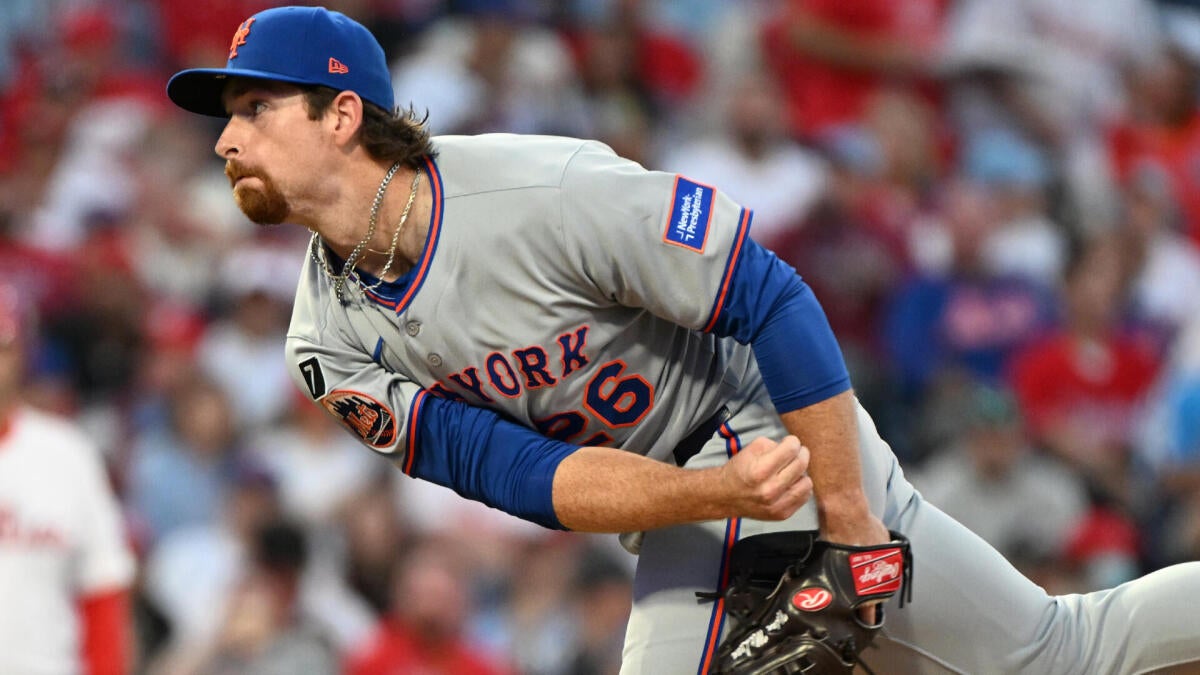
The upcoming game against the Minnesota Twins, with Nolan McLean on the mound for the Mets, represents a critical juncture for the franchise. McLean’s strong performance metrics—a 2.28 ERA with 28 strikeouts in his first 23.2 innings—offer a potential operational leverage point and a much-needed injection of stability to halt the losing streak.
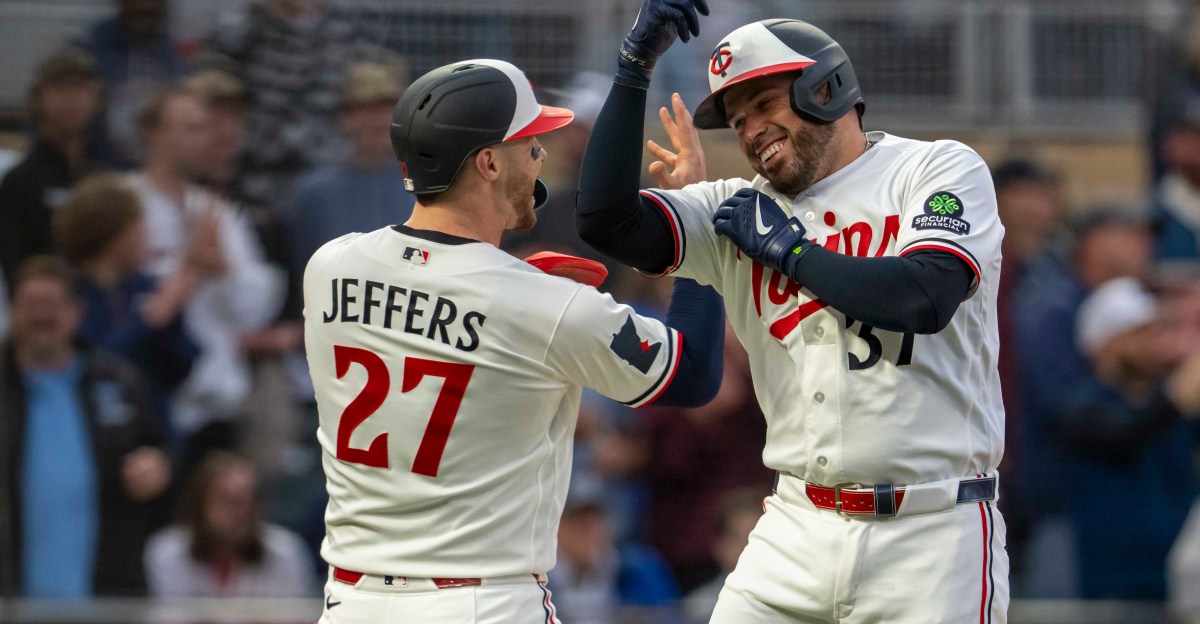
The Twins’ decision to make a pitching change further introduces an element of strategic variability, potentially creating an advantageous matchup for the Mets, offering a window of opportunity against a less-established starter. This strategic opportunity, combined with McLean’s promising statistics, provides a tangible basis for the prediction that New York could indeed end its prolonged skid.
However, the reliance on a single pitching performance to reverse an 11-game trend underscores the depth of the team’s current systemic challenges. While individual brilliance can secure an isolated win, comprehensively addressing the underlying issues that led to this historic streak requires a broader strategic overhaul, extending far beyond the outcome of a single game.
The organizational response to this crisis will define the Mets’ trajectory for the remainder of the season and potentially beyond. Whether it involves a managerial change, significant roster adjustments, or a renewed focus on player development and internal talent, the decisions made in the wake of this losing streak will have lasting implications for the franchise’s competitive standing and financial health.
Ultimately, the events surrounding the Mets’ current performance highlight the intricate interplay between on-field results, organizational stability, financial imperatives, and pervasive media scrutiny in professional sports. The pressure to perform is not merely about winning games but about sustaining a complex enterprise that operates at the intersection of sport, business, public interest, and vast capital investment.