
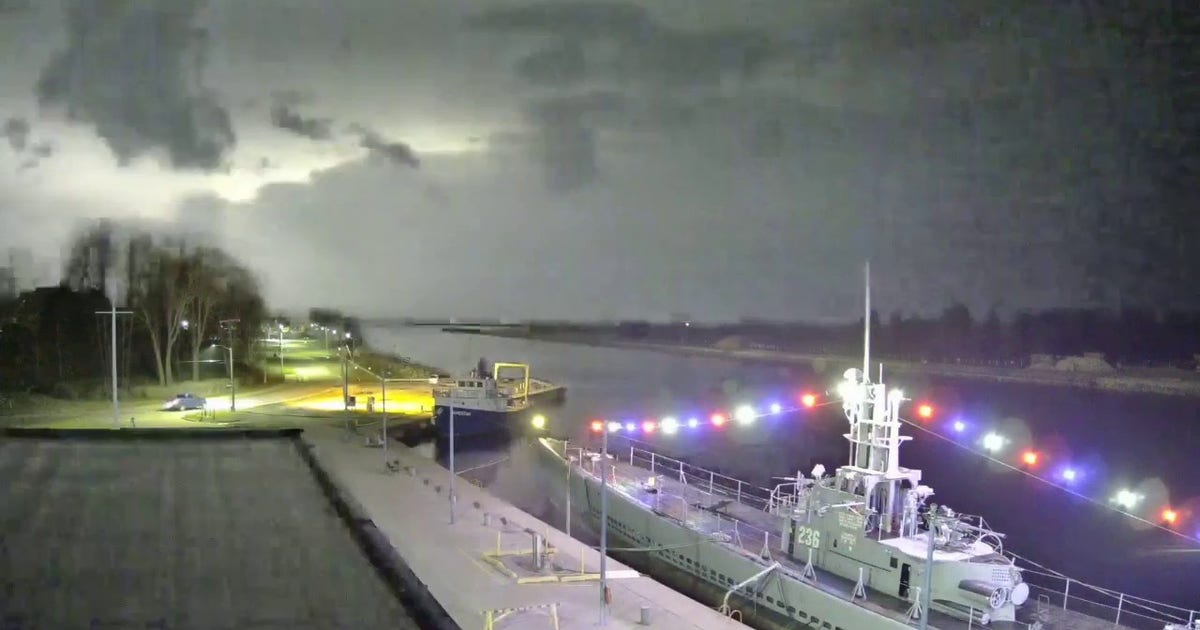
Late-Night Storms Shift Operational Risk Profile for Southeast Michigan
Severe weather events occurring during non-peak, sleeping hours fundamentally alter the operational risk calculus for emergency services, infrastructure operators, and public safety communication systems. Unlike daytime events, which benefit from higher public situational awareness and visibility, storms arriving around 11 p.m. and continuing through the early morning hours create unique vulnerabilities. The National Weather Service’s issuance of a Tornado Watch until 4 a.m. for Southeast Michigan highlights an extended period of elevated risk during a time when individual vigilance is minimal, placing a greater burden on automated alert systems and pre-emptive institutional responses.
The specific hazards associated with this event—including wind gusts exceeding 60 mph, large hail, and torrential downpours—during sleeping hours increase the likelihood of widespread infrastructure disruption before residents can take protective action. The existing vulnerability of “already damp ground in spots” compounds the risk of flooding, increasing potential damage to transportation networks and critical infrastructure. The primary challenge for institutional response in this scenario is mitigating the cascading effects of disruptions on a sleeping population, necessitating a shift from individual responsibility to systemic preparedness.
Infrastructure Vulnerability and Cascading Economic Effects
The late-night timing of severe weather exacerbates infrastructure vulnerability by delaying damage assessment and restoration efforts. For power grid operators, telecommunications providers, and logistics companies, overnight damage to critical assets creates a cascade effect that extends beyond the initial physical impact. Power outages and communication disruptions during non-operational hours complicate restoration logistics, potentially extending service interruptions into the following business day. This results in significant financial losses for local commerce and supply chains that rely on uninterrupted overnight transport for just-in-time inventory systems in the Metro Detroit area.
The threat of wind gusts and large hail poses direct risks to residential properties and high-value infrastructure. The increased vulnerability during non-peak hours requires pre-emptive measures for securing assets and establishing redundant systems. The strategic implications for risk management include a necessary reevaluation of operational continuity planning, as facilities with critical infrastructure must ensure robust backup systems to maintain essential services and prevent significant business interruption losses.
The Digital Transformation of Public Safety Communication
The challenge of penetrating public consciousness during non-waking hours highlights the evolving ecosystem of public safety communication. Traditional broadcast media, reliant on standard programming, must pivot rapidly to digital push notifications and alerts to reach sleeping populations. The source’s emphasis on the need for alerts capable of waking individuals underscores a recognized vulnerability in standard public safety protocols. This shift toward personalized digital platforms, such as the mentioned “13OYS app,” creates new dynamics in information dissemination.
The effectiveness of this communication strategy relies heavily on user adoption of specific applications and the technical reliability of push notification systems. This introduces strategic complexities regarding digital equity, as access to real-time alerts becomes dependent on smartphone ownership and app installation. The competitive landscape among media outlets to deliver timely and accurate information without causing unnecessary alarm or “alert fatigue” influences public trust and user engagement, which are critical components for effective response during high-stakes events like a Tornado Watch.
Strategic Preparedness and Long-Term Resilience Policy
The recurring pattern of severe weather events during periods of high vulnerability influences long-term infrastructure investment and regulatory policy. The potential for widespread damage from high winds and flooding necessitates a reevaluation of building codes, utility infrastructure hardening, and public investment in resilience projects. The operational challenges posed by late-night events emphasize the need for institutional coordination between emergency management agencies, utility providers, and media organizations. Effective response requires seamless communication and pre-established protocols for resource deployment during non-standard hours.
Emergency services must pre-position resources and adjust staffing levels to account for potential overnight damage assessment and rescue operations. While the statistical probability of specific high-impact events like an isolated tornado may be low, the increased vulnerability of sleeping populations requires a high level of preparedness and a proactive approach to public safety communication. This requires warnings to be issued well in advance to enable pre-emptive actions and minimize risk exposure.
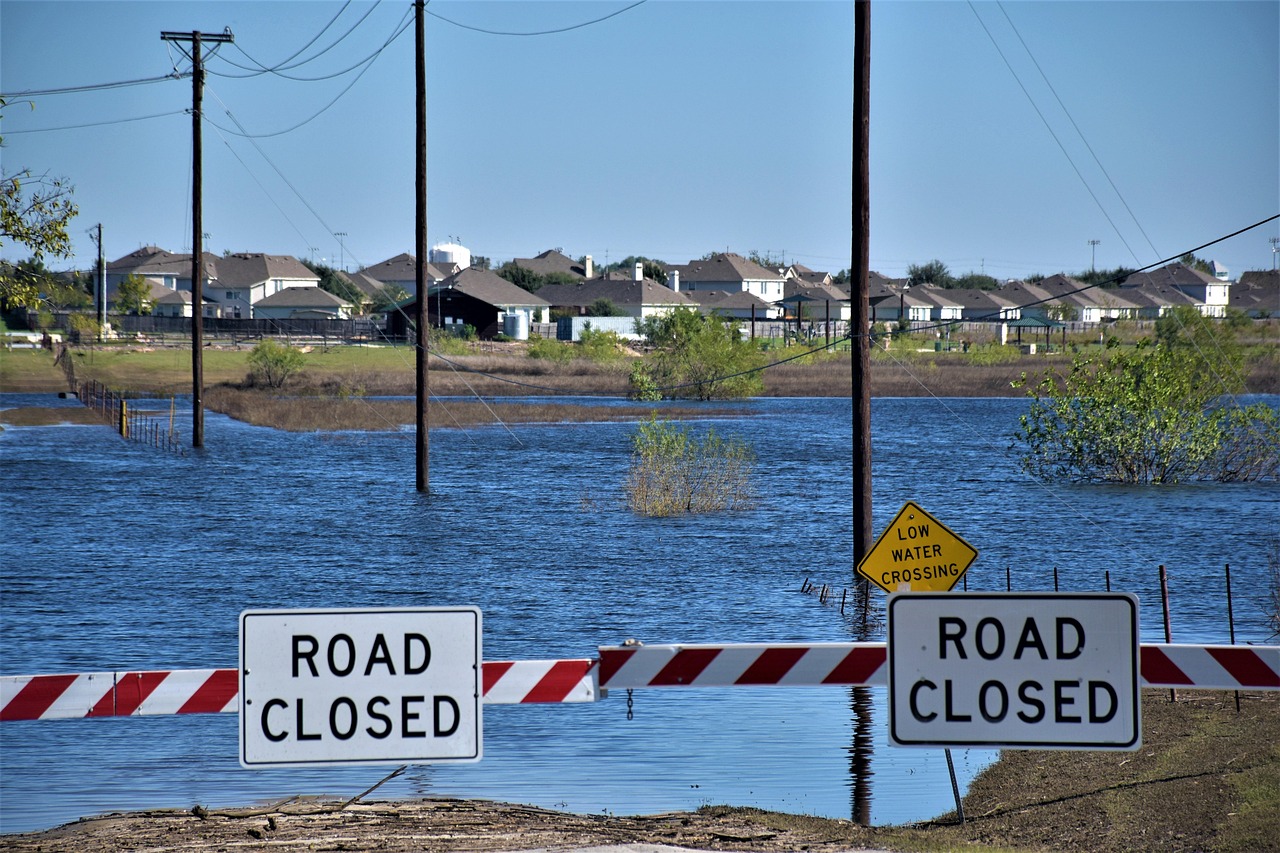
Photo by Ray_Shrewsberry on Pixabay.