Institutional Risk Framework and Decision-Support Systems
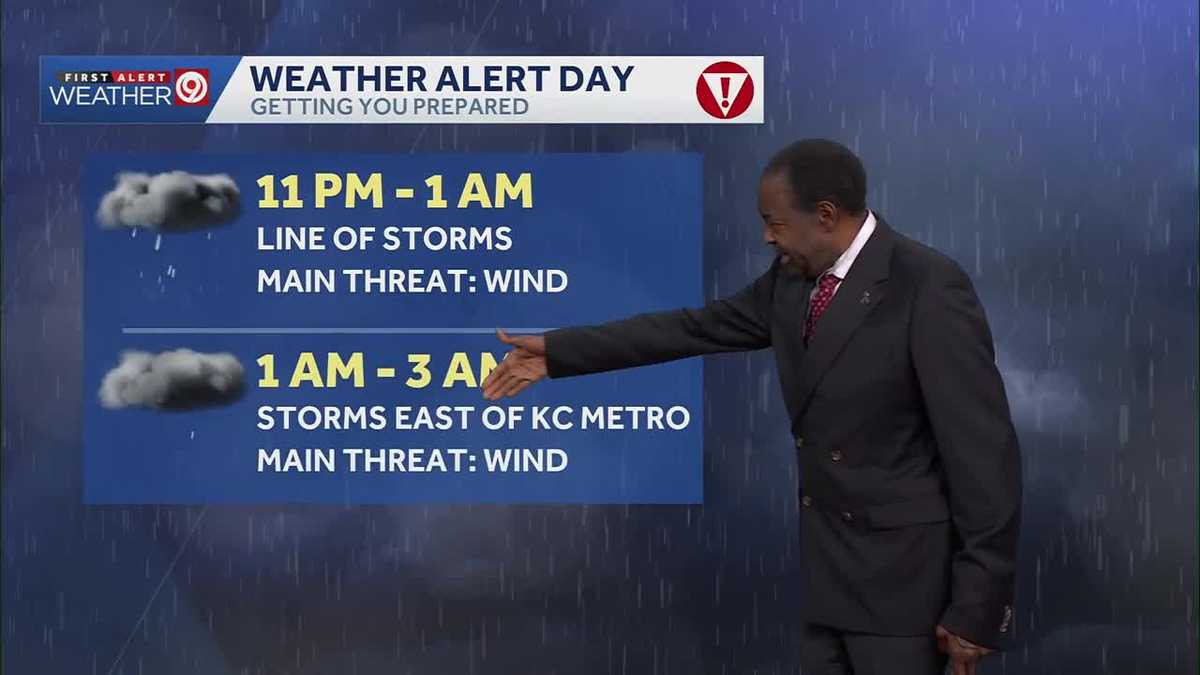
The activation of the ‘First Warn Weather’ protocol in the Kansas City metropolitan area functions as a high-stakes institutional mandate for risk communication. This branding serves as a strategic decision-support system, signaling to municipal authorities and private sector stakeholders that atmospheric instability has breached a threshold requiring maximum operational readiness. By elevating the alert status, meteorological services trigger a multi-tiered emergency mobilization designed to minimize the latency between threat detection and public protective action.
Operational Dynamics and Bi-State Jurisdictional Coordination
The sequence of warnings issued between 11:26 p.m. and 11:52 p.m. illustrates the fluid tactical shift required during rapid-onset convective events. The transition from broad severe thunderstorm warnings to localized tornado warnings for Jackson (MO), Johnson (KS), and Wyandotte (KS) counties necessitated immediate inter-agency synchronization. Effective management of these overlapping alerts requires precise communication to prevent ‘warning fatigue’ or the premature cessation of safety protocols when specific warning polygons expire while secondary hazards persist.
Economic Vulnerabilities: Infrastructure and Capital Depletion
Large hail and damaging wind gusts represent primary drivers of capital-depleting insurance claims across the bi-state region. For Kansas City—a critical national logistics and transit hub—even brief disruptions to the power grid or telecommunications infrastructure yield substantial downstream effects on supply chain efficiency. The overnight timing of the ‘Round 3’ storms exacerbated these risks, as limited visibility and delayed damage assessment windows increased the potential for secondary structural failures and industrial downtime.
Strategic Continuity and Meteorological Precision
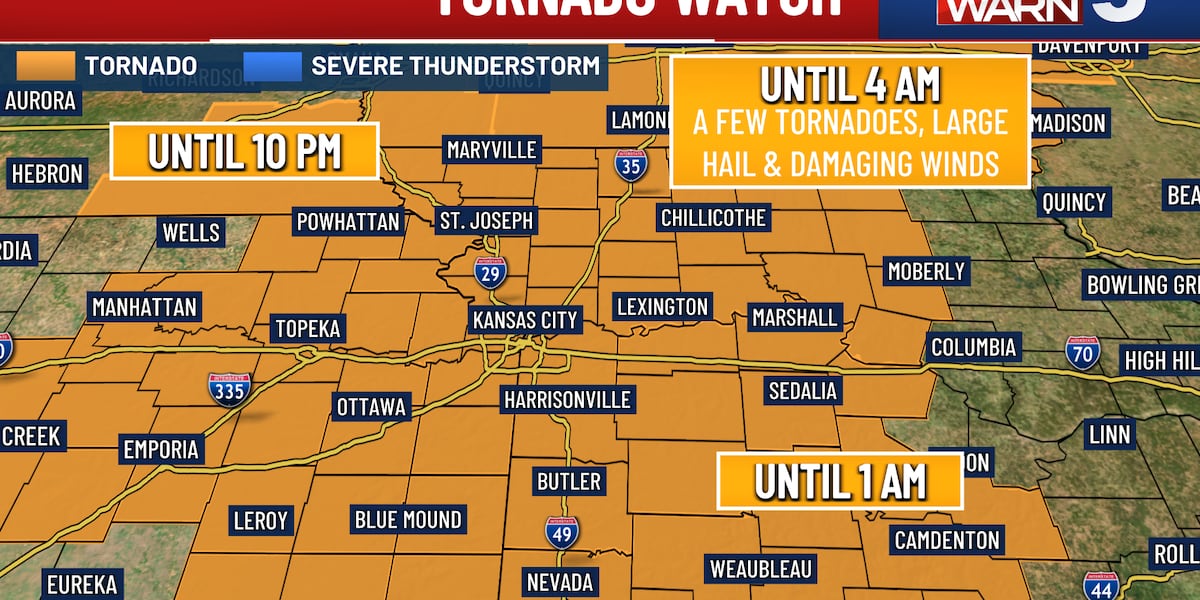
The decision to extend the Tornado Watch until 4:00 a.m. reflects a strategic commitment to maintaining vigilance during the most vulnerable overnight hours. This extension directly impacts the operational planning for early-morning transit systems and workforce mobilization. By utilizing precise geographic targeting and discrete expiration times (e.g., the 11:52 p.m. transition), the emergency management ecosystem maintains public trust and reduces the economic impact of over-warning, ultimately informing long-term urban planning and infrastructure hardening strategies.