Geopolitical Vacuum and Succession Dynamics
The killing of Iran’s Supreme Leader Ayatollah Ali Khamenei in US-Israeli strikes has initiated a high-stakes succession crisis, fundamentally altering the geopolitical landscape of the Middle East. The immediate formation of a transitional council by Iranian officials underscores the institutional imperative to maintain continuity in the face of external aggression. This rapid action, however, highlights the deep uncertainty surrounding the regime’s future, as Khamenei’s death creates a power vacuum and potentially triggers internal power struggles between different factions of the political establishment and the military apparatus, particularly the Revolutionary Guard.
The selection of a 66-year-old cleric for the leadership council indicates an attempt to manage this transition temporarily, but the long-term stability of the new leadership remains highly speculative. This institutional uncertainty impacts Iran’s regional strategy and its network of proxy forces, potentially leading to a re-evaluation of its foreign policy priorities and support for non-state actors across the Middle East.
Strategic Incentives and Direct Confrontation
The conflict signals a shift from proxy conflicts to direct military confrontation between major regional powers. The US Central Command’s report of three American service members killed and five seriously wounded during the operation raises the political stakes significantly for the US administration. This direct casualty count increases domestic pressure for a decisive response, potentially escalating the conflict further.
The US Intelligence Committee’s focus on Iran’s “vast missile arsenal” reveals the strategic priority: neutralizing Iran’s primary asymmetric threat capability, which underpins its regional influence and deterrence strategy. The US views this arsenal as central to Iran’s ability to destabilize the region and threaten allies. Iran’s paramilitary Revolutionary Guard has responded by threatening its “most intense offensive operation” ever, signaling a commitment to sustained retaliation that targets US and Israeli bases, as well as critical infrastructure in-frastructure in allied nations.
Global Economic Fallout and Supply Chain Vulnerability
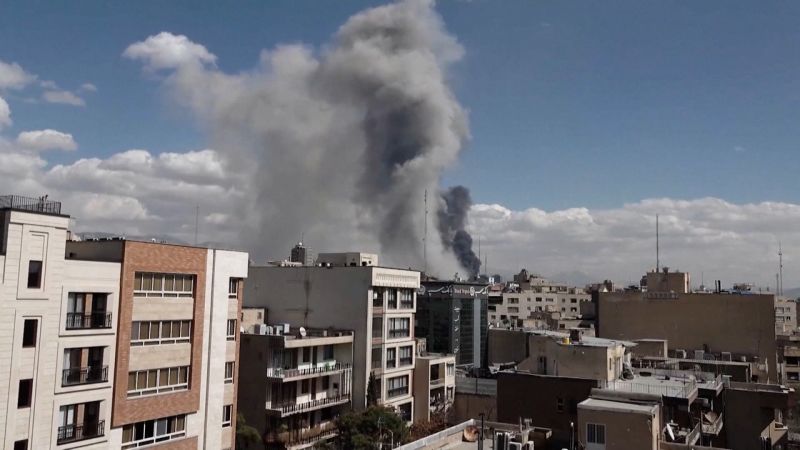
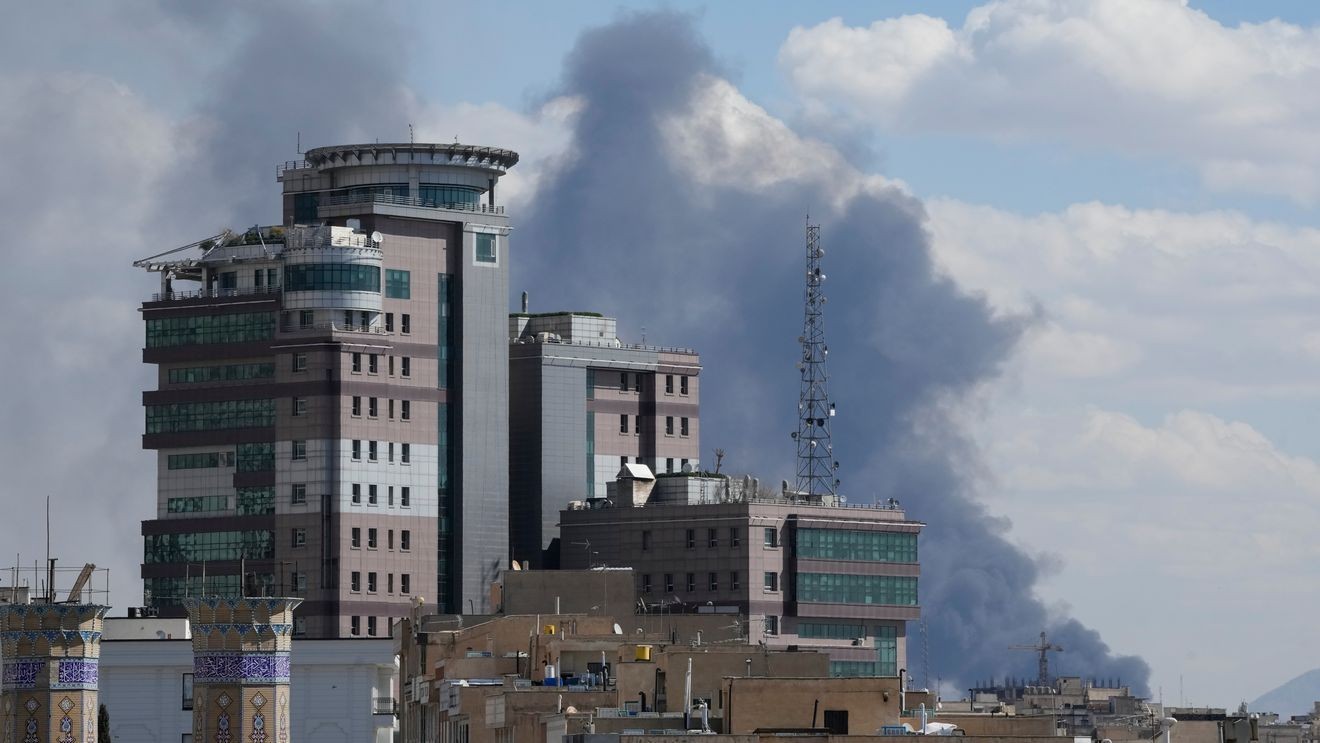
The conflict’s immediate operational impact on critical infrastructure highlights the vulnerability of global supply chains to geopolitical instability. The strikes have damaged air hubs and disrupted oil shipments, directly impacting international commerce and energy markets. The disruption of oil shipments, specifically, carries significant implications for global energy security. The Strait of Hormuz, a critical chokepoint for a substantial portion of the world’s oil supply, faces heightened risk of closure or disruption.
This scenario immediately increases insurance premiums for maritime transport and raises the cost of energy commodities globally. The targeting of key logistical nodes, including the global business hub of Dubai and the Saudi capital, demonstrates a deliberate strategy to inflict economic pain beyond military targets, raising the risk profile for all commercial activities in the region. This exposure of financial and logistical infrastructure potentially triggers capital flight and investment withdrawal from key economic zones.
Diplomatic Response and Information Warfare
The conflict has triggered a rapid diplomatic response, indicating its global significance. European Commission President Ursula von der Leyen’s statement on the “risk of further escalation” highlights international concern over the potential for uncontrolled expansion of hostilities. Her outreach to the Qatari Emir and the Saudi Crown Prince demonstrates the critical role of these regional players in managing or mediating the crisis.
The US President’s appeal to the Iranian people to “take over your government” suggests a strategy aimed at leveraging the power vacuum created by Khamenei’s death to encourage internal regime change. This approach, combined with the military strikes, indicates a multi-pronged strategy to destabilize the existing power structure while simultaneously targeting its military capabilities. The state media’s framing of Khamenei’s death as a martyrdom, where he “consistently stood among the people,” represents a counter-narrative designed to consolidate support and legitimize the regime’s continuity in the face of external pressure. The US announcement of Khamenei’s death hours before state media confirmation demonstrates an attempt to seize control of the narrative in-formation narrative during the crisis.