Geopolitical Pivot: The Gulf Coast Strategic Expansion
The inauguration of Houston’s Fleet Week, scheduled for April 15–22, 2026, signals a definitive recalibration of the United States Navy’s domestic engagement apparatus. By designating Houston—a premier global energy and logistical nexus—as the first Texas host city, the Department of Defense is executing a targeted expansion of maritime visibility within the critical Gulf Coast corridor. This initiative strengthens civil-military integration in a region vital to national energy security and international trade liquidity.
Fiscal Volatility and the America 250 Alignment
The transition of the event from its original November 2025 window to April 2026 underscores the susceptibility of military public diplomacy to legislative and budgetary instability. A prolonged federal government shutdown necessitated this rescheduling, illustrating how fiscal gridlock can disrupt complex multi-vessel deployments. However, the delay has strategically repositioned Fleet Week to coincide with the ‘America 250’ celebrations, shifting the narrative focus from branch-specific milestones (the Navy and Marine Corps’ 250th birthdays) to a broader framework of national foundational history and maritime heritage.
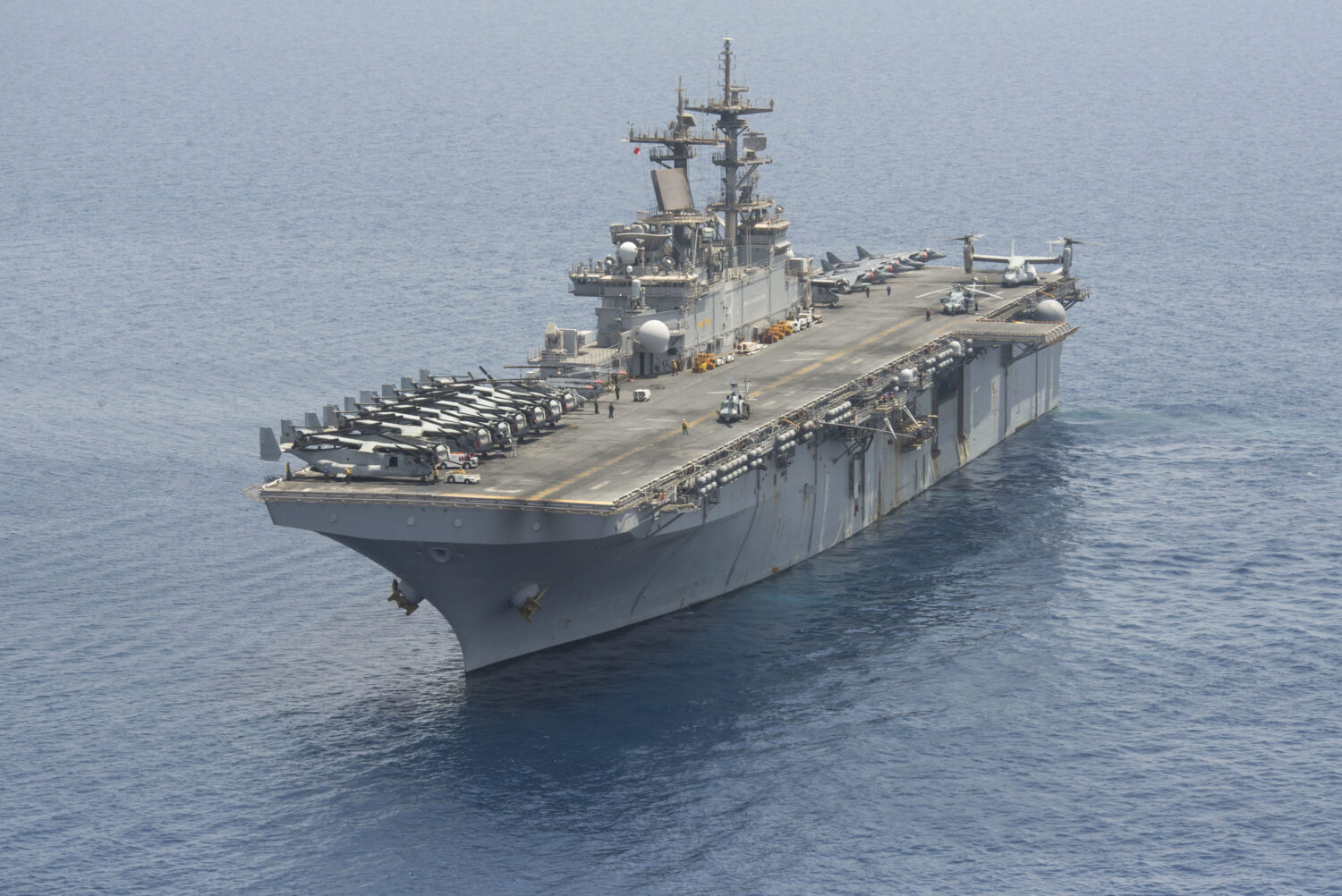
Amphibious Capability: The USS Kearsarge (LHD-3)
The arrival of the USS Kearsarge, a Wasp-class amphibious assault ship, serves as the fleet’s operational centerpiece. Functioning as a mobile sea base capable of simultaneous air and amphibious operations, its presence facilitates a high-density demonstration of power projection. For regional stakeholders, the transit of an LHD-class vessel through the Houston Ship Channel represents a sophisticated exercise in precision pilotage and port-military interoperability, showcasing the Navy’s ability to integrate with civilian maritime infrastructure during periods of national significance.
Littoral Warfare and Coastal Defense Doctrine
The simultaneous deployment of the USS Minneapolis-St. Paul (LCS-21), USS St. Louis (LCS-19), and USS Cooperstown (LCS-23) highlights the Navy’s modernization efforts in littoral warfare. These Freedom-variant ships, engineered for high-speed maneuverability in shallow-water environments, reflect the tactical requirements of modern coastal defense. Their presence in the Gulf of Mexico serves to reinforce the Navy’s role in securing the maritime borders and economic arteries essential to the Texan and national economies.
Interagency Synergy: The Coast Guard and Port Security
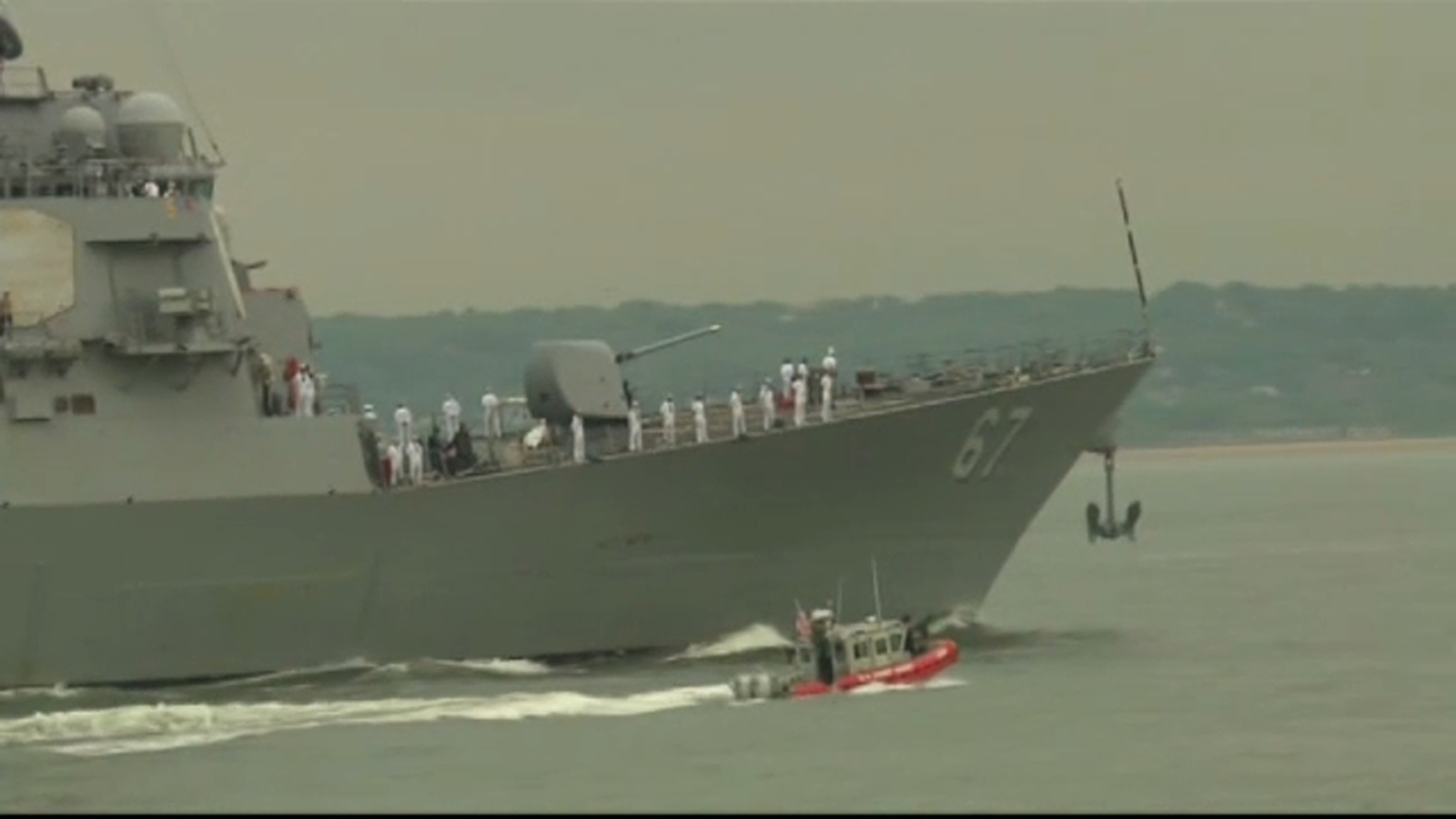
The participation of the Fast Response Cutter USCGC Edgar Culbertson (WPC-1137) emphasizes the critical intersection of military defense and domestic law enforcement. Within the Houston Ship Channel, the Coast Guard’s mandate for search and rescue, drug interdiction, and port security is an operational constant. Fleet Week provides a platform to demonstrate the synergy between the Navy’s blue-water capabilities and the Coast Guard’s littoral focus, offering a comprehensive view of unified national maritime security.
Economic Impact and Institutional Outreach
Beyond the symbolic value, the mobilization of over 1,000 service members provides a concentrated economic stimulus to Houston’s hospitality sector. The logistical execution of ship tours at Seawolf Park and community events like the Navigation Esplanade block party serves as an infrastructure stress test, verifying the city’s capacity for large-scale federal events. By localizing outreach through regional cultural markers, the Navy aims to cultivate a sustainable ‘social license to operate’ and bolster recruitment efforts within a technologically and industrially significant demographic.