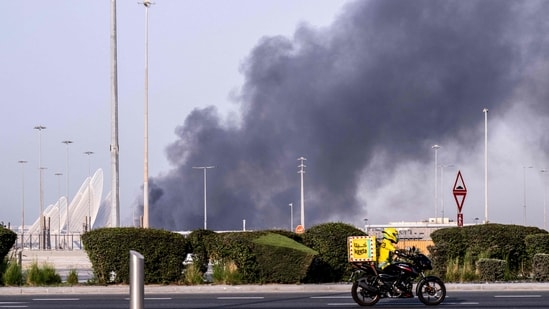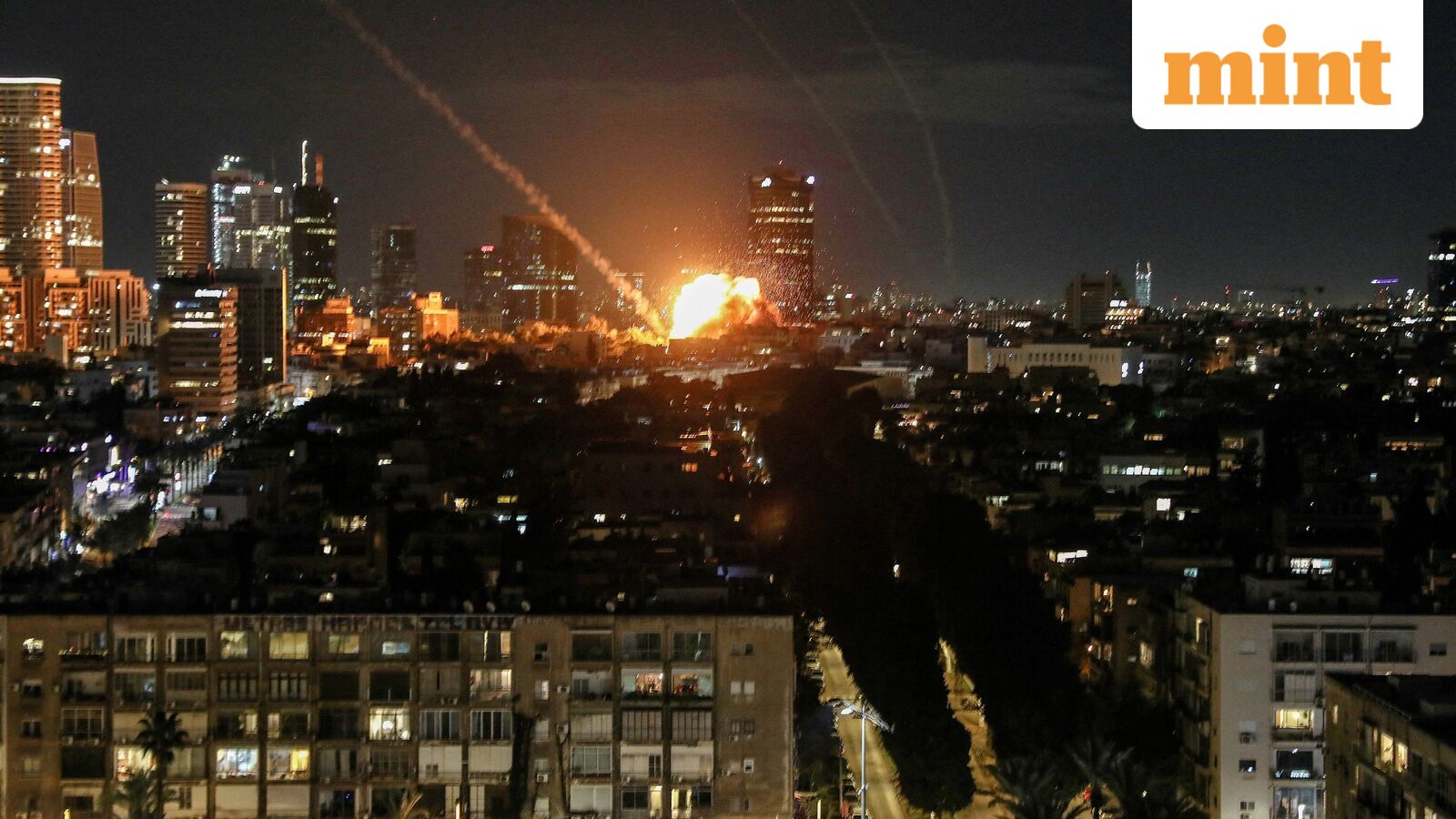
The security architecture of the Arabian Gulf is undergoing a violent recalibration following coordinated UAV and missile salvos targeting the United States Embassy in Kuwait and critical infrastructure nodes. Occurring within 72 hours of the reported deaths of Iran’s Supreme Leader and high-ranking officials, this escalation signals a transition from asymmetric proxy friction to high-intensity, direct regional confrontation. The targeting of diplomatic assets in Kuwait City is a calculated attempt to degrade U.S. forward-deployed operational security and force a revision of regional security alignments.
Tactical Attrition and Air Defense Saturation
The strikes on the U.S. Embassy in Kuwait City represent a critical breach of previously stabilized diplomatic zones. While Kuwaiti Integrated Air Defense Systems (IADS) intercepted multiple threats over the Rumaithiya and Salwa districts, the resulting kinetic impact and smoke near the compound indicate a high degree of exposure. This environment has necessitated a shift in U.S. State Department posture from vigilance to active sheltering. Furthermore, reports of a downed fighter jet—though unverified—suggest a contested electromagnetic environment where low-cost, high-volume drone swarms are utilized to saturate and overwhelm sophisticated interceptor networks, diminishing the technological advantage of coalition forces.
Global Logistics and Economic Warfare
The total suspension of air traffic across the Abu Dhabi, Dubai, and Doha corridors marks a systemic failure in global transit logistics. As these hubs facilitate the primary connective tissue between Western and Asia-Pacific markets, their closure triggers immediate supply chain disruptions and massive financial exposure for regional flag carriers. The economic warfare component is underscored by the surge in Dubai gold prices to over Dh9 per gram, reflecting safe-haven capital flight as investors price in a permanent regional risk premium. This volatility threatens the ‘safe haven’ status of the UAE and Qatar, directly challenging their long-term economic diversification strategies.
Transatlantic Realignment and Strategic Depth
In a significant policy pivot, the United Kingdom has granted U.S. forces access to sovereign bases in Diego Garcia and Gloucestershire. This expansion of geographic scope provides essential logistical redundancy and long-range staging capabilities, mitigating the vulnerability of Gulf-based assets to persistent drone threats. Simultaneously, the relocation of authorities at the British RAF base in Cyprus indicates a proactive defensive posture against potential secondary fronts in the Levant. This hardening of the transatlantic alliance suggests an assessment that the current conflict is a systemic threat requiring intercontinental support structures rather than localized containment.
Diplomatic Impasse and Humanitarian Fallout
The refusal of Iranian officials, specifically Larijani, to engage in negotiations signals a total breakdown of backchannel diplomacy. With the abandonment of de-escalation frameworks, the conflict is now governed by kinetic momentum. This vacuum has left secondary states like Lebanon in a precarious position; the inability to restrain Hezbollah’s rocket strikes on Haifa has invited devastating reciprocal actions, resulting in significant civilian casualties. Concurrently, the issuance of emergency protocols by New Delhi for its vast expatriate workforce highlights the potential for a total labor market collapse in the Gulf, which would permanently alter the region’s service and construction economies.
Conclusion: The Erosion of Red Lines
As the conflict enters a phase of sustained attrition, the threshold for escalation is being continuously redefined. The transition toward civilian fatalities in Bahrain and the UAE suggests that the conflict has moved beyond symbolic strikes toward a war of exhaustion. The resilience of GCC governance and their ability to maintain institutional stability amidst these shocks will determine if the region can avoid a broader systemic collapse or if the current kinetic activity will lead to a protracted, multi-front engagement.