Institutional Decapitation and the Governance Vacuum
The reported elimination of Supreme Leader Ayatollah Ali Khamenei and 40 senior officials on March 2, 2026, constitutes a catastrophic disruption of the Iranian state’s command-and-control apparatus. This unprecedented loss of institutional continuity necessitates an immediate reconfiguration of regional power dynamics. As the centralized decision-making framework of the Islamic Republic undergoes an existential transition, the primary risk shifts from calculated proxy engagement to decentralized, reactive strikes by autonomous state and non-state actors.
Tehran’s rejection of renewed nuclear negotiations, articulated by National Security Council Secretary Ali Larijani, signals a definitive hardening of diplomatic posture. By dismissing U.S. media claims of a diplomatic pivot, the Iranian leadership indicates that the conflict has transcended traditional leverage. This closure of diplomatic channels leaves military attrition and economic disruption as the primary variables in the bilateral relationship with Washington.
The resulting strategic vacuum threatens the internal cohesion of Iran’s security services. Without a singular clerical arbiter, factions within the Islamic Revolutionary Guard Corps (IRGC) and the regular military may pursue divergent operational trajectories. This fragmentation heightens unpredictability, as localized commanders may initiate escalatory measures absent a unified national strategy.
The Erosion of Gulf Financial Neutrality
Kinetic activity targeting Dubai, Abu Dhabi, and Doha represents a departure from established regional conflict norms. As primary nodes for international finance and logistics, these cities have long leveraged their ‘safe haven’ status. Direct exposure to the conflict suggests that Iran is weaponizing the economic stability of the Gulf Cooperation Council (GCC) to counter U.S. and Israeli military pressure.
For global markets, this escalation introduces sovereign risk variables previously categorized as low-probability tail events. Disruption to air transit and urban infrastructure creates immediate bottlenecks in global supply chains. Consequently, insurance premiums for regional assets and maritime transit are projected to undergo significant upward revisions as the Gulf’s security perimeter contracts.
Concurrent strikes on U.S. assets in Bahrain, Iraq, and Kuwait further strain the American logistical footprint. Bahrain, hosting the U.S. Fifth Fleet, remains a critical node for maritime security. Persistent raids necessitate a reallocation of defensive resources, potentially thinning the protection available for commercial shipping and civilian energy infrastructure.
Institutional Friction: The US Intelligence-Policy Rift
A significant domestic development is the emergence of a narrative rift between the Pentagon and the White House. Pentagon briefings to congressional staff reportedly suggest that Iran had no intent to strike U.S. forces unless provoked by Israeli action. This admission directly contradicts the administration’s public framing of an ‘imminent threat’ as the catalyst for preemptive escalation.
This discrepancy carries profound implications for the War Powers Act and the legal legitimacy of executive military action. If the administration’s rationale is perceived as decoupled from military intelligence, it may trigger legislative inquiries and erode bipartisan support. Such institutional friction often leads to operational paralysis, complicating resource deployment and future authorizations.
Energy Security and Maritime Asymmetry
The widening conflict has immediate ramifications for global energy stability. The Persian Gulf remains the world’s most vital energy artery; sustained disruption to crude and liquefied natural gas (LNG) flows triggers inflationary pressures globally. Market participants are now pricing in a prolonged restriction of the Strait of Hormuz, necessitating a massive reallocation of global reserves.
Beyond immediate pricing, the conflict threatens long-term diversification projects within the Gulf. These capital-intensive initiatives require a stable security environment to attract foreign direct investment. Prolonged kinetic activity could delay the strategic transition of these states away from hydrocarbon dependence by decades.
The Levant Front and Hezbollah’s Strategic Pivot
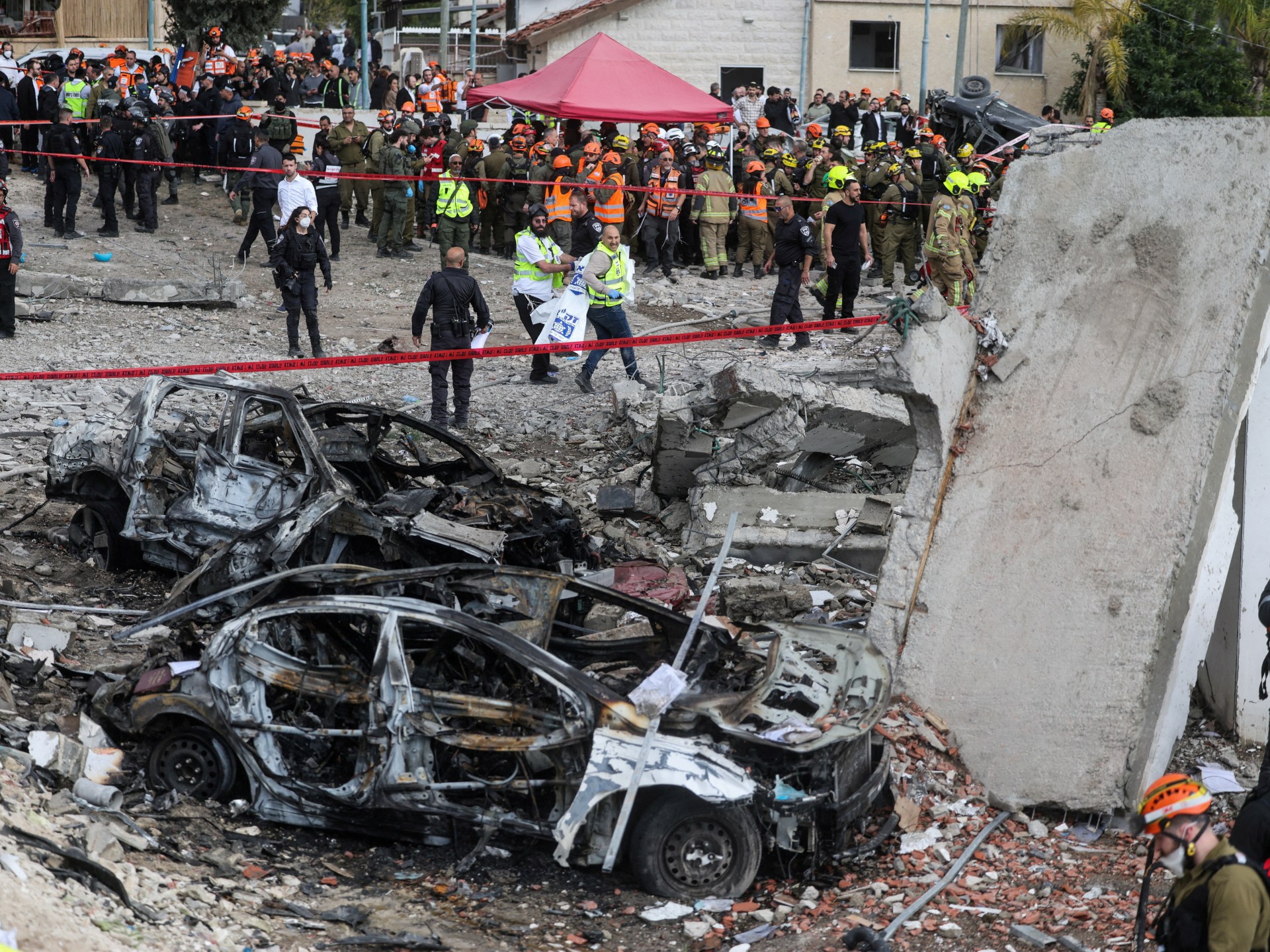
Israel’s commitment to intensified strikes in Lebanon follows Hezbollah’s claims that its operations are a direct response to the death of Ayatollah Khamenei. This transition moves Hezbollah from local deterrence to a broader regional retaliatory role, increasing the probability of a full-scale war in the Levant. The resulting displacement of civilians creates a humanitarian crisis that further complicates the military landscape for Israel, which must now manage a multi-front conflict against both Iranian proxies and the state apparatus itself.