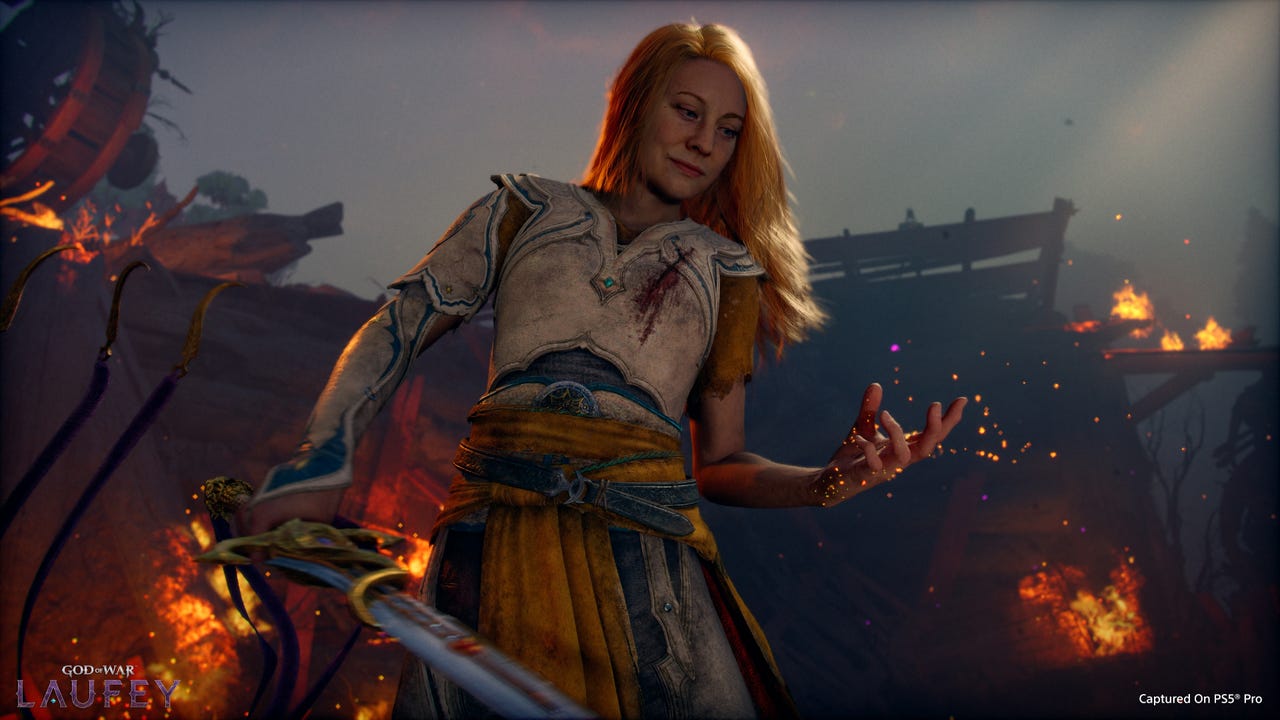
Strategic Reorientation: Diversifying a Flagship IP
The unveiling of God of War Laufey at PlayStation’s State of Play signifies a calculated structural pivot for Sony’s premier action-adventure franchise. By centering the narrative on Laufey (Faye), Santa Monica Studio addresses the looming industry challenge of protagonist fatigue. This transition moves beyond a mere character swap, representing an operational shift to expand the series’ lore without overextending Kratos’s already exhaustive narrative arc.
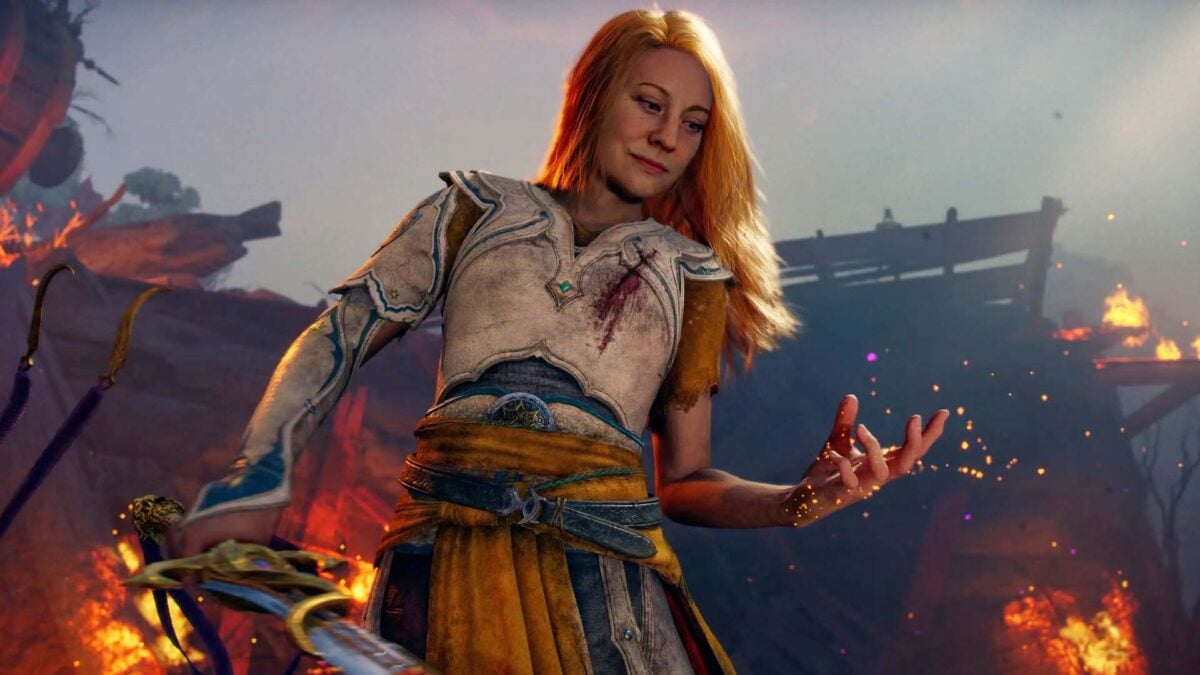
Creative Director Cory Barlog and Game Director Ariel Lawrence are leveraging Faye—previously an off-screen catalyst—to anchor a new gameplay framework. This move mitigates the risk of mechanical stagnation by introducing a protagonist whose combat identity is defined by agile precision rather than the established brute force of the Spartan General. It is a high-stakes attempt to revitalize the brand’s identity while maintaining its commercial gravity.
The Everywhen: Narrative Architecture and Trans-Mythological Integration
Setting the prequel in the “Everywhen”—a metaphysical afterlife where disparate pantheons converge—serves as a brilliant narrative sandbox. This structural choice bypasses the need for complex travel justifications between geographic regions, allowing the developers to integrate diverse mythological traditions into a singular, cohesive setting. The debut footage, featuring a red-skinned demon lord and a mysterious blue-skinned deity, confirms a departure from strictly Norse and Greek influences toward a global cosmic conflict.
The plot utilizes dramatic irony as a central narrative device. While players understand Faye’s ultimate fate from the 2018 title, the Everywhen arc reframes her death as a continuation of her struggle to protect Kratos and Atreus. The “splinter extraction” sequence shown in the State of Play footage establishes a new central mystery, suggesting Faye possesses a unique essence that makes her a target for the afterlife’s warring gods.
Mechanical Evolution: Redefining Combat and Progression
The transition from Kratos to Faye necessitates a fundamental overhaul of the franchise’s combat kinetics. Described as “intimate, brutal, and graceful,” Faye’s combat style favors a sword over the heavy Axe or Blades of Chaos. This mechanical shift toward agility and environmental interactivity is a deliberate attempt to differentiate the user experience. The footage of Faye’s blade shattering against armored foes suggests a focus on weapon durability, resource management, and tactical adaptation, contrasting with the nearly indestructible nature of previous series armaments.
Market Positioning and Ecosystem Impact
As a first-party PlayStation 5 exclusive, God of War Laufey is a critical asset for Sony’s hardware ecosystem. Positioned in the mid-to-late lifecycle of the console, such a high-profile title drives ecosystem retention and hardware adoption. By utilizing an established IP to explore new narrative perspectives, Sony balances the safety of a global brand with the creative innovation typically reserved for new intellectual properties. The immediate availability for wishlisting reflects a data-driven marketing strategy to gauge audience appetite for a non-Kratos lead before the formal release window.