Judicial Oversight of Institutional Governance
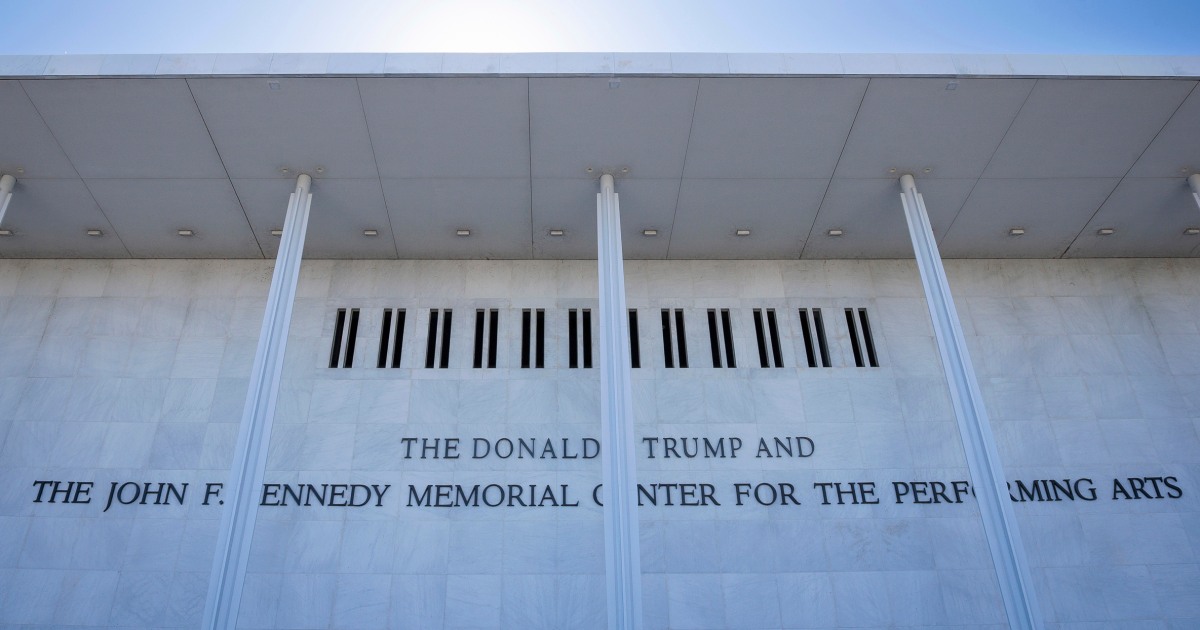
The John F. Kennedy Center for the Performing Arts has been formally directed to initiate the removal of President Donald Trump’s name from all official branding, signage, and digital assets. This mandate follows a ruling by U.S. District Judge Christopher Cooper, which declared the December board vote to append the President’s name as an exercise of authority exceeding the institution’s statutory mandate.
Operational Compliance and Administrative Deadlines
The Office of the General Counsel has instituted a strict compliance deadline of June 12 for the removal of the modified branding. This directive encompasses all institutional touchpoints, including physical signage, stationery, digital infrastructure, and promotional materials. The court’s intervention underscores the legal limits of administrative boards within federally chartered cultural institutions, ensuring that institutional identity remains tethered to original legislative intent.
Institutional Authority and Board Accountability
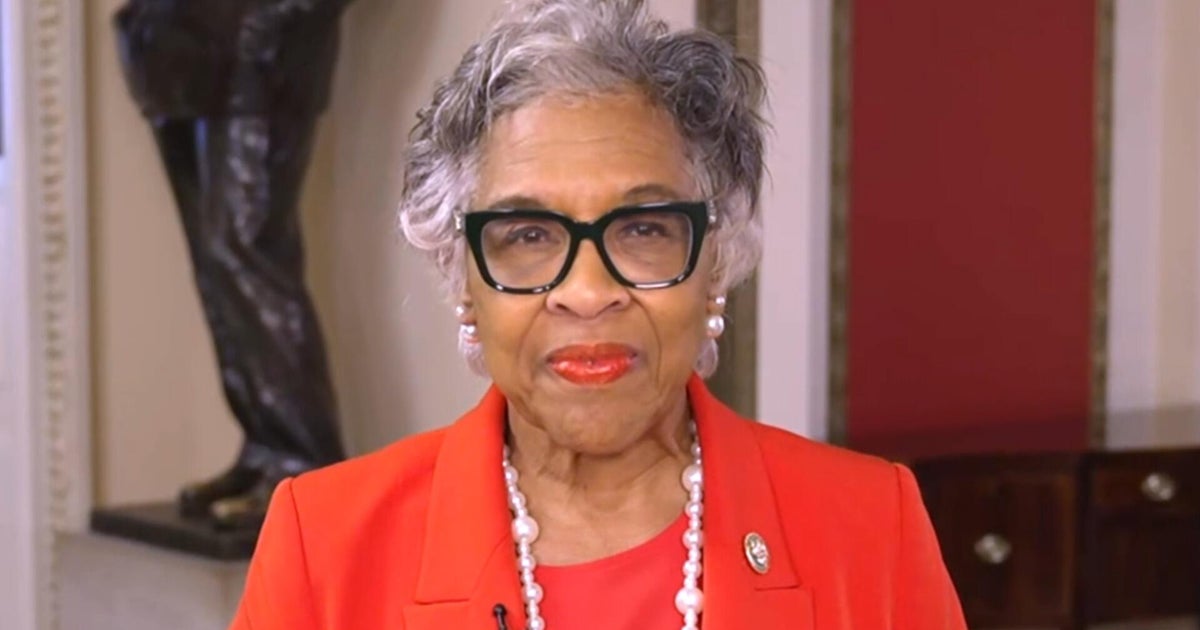
The litigation, initiated by board trustee Representative Joyce Beatty, highlights the friction between executive-appointed governance and foundational statutes. The court’s decision establishes a significant precedent: governing bodies are subject to the specific mandates of their enabling legislation, regardless of administrative preferences. By nullifying the board’s attempt to modify the center’s public identity, the judiciary has reasserted the primacy of the institution’s legal charter.
Strategic Consequences for Stakeholders
For the Kennedy Center, the ruling necessitates an immediate cessation of the rebranding effort and a recalibration of internal communications. Furthermore, the court’s order includes a stay on planned facility closures, reflecting a comprehensive effort to stabilize management. By preventing both the name change and the closures, the judiciary has effectively acted as a check on unilateral board actions, requiring that future management decisions align with broader institutional and legislative consensus.