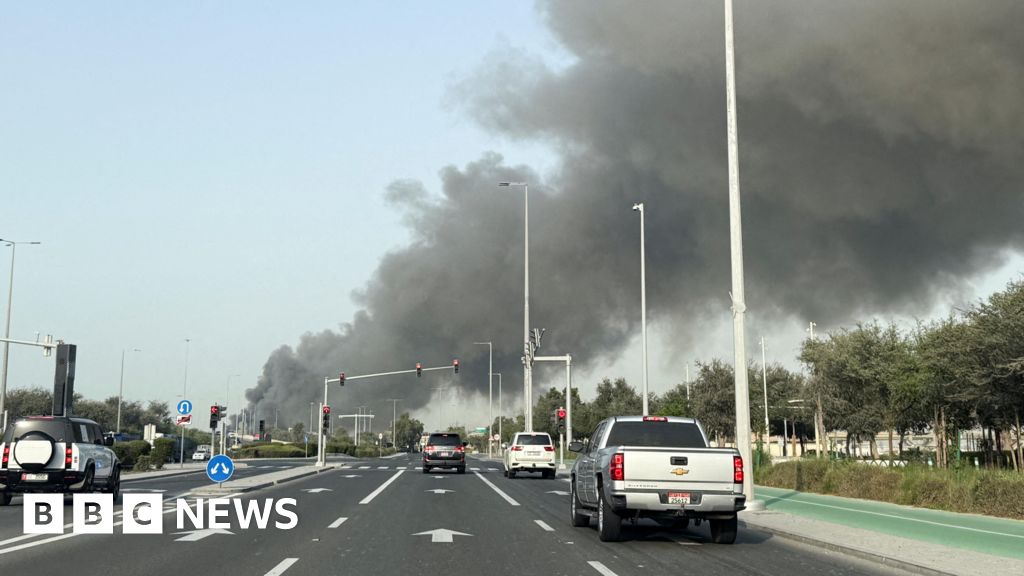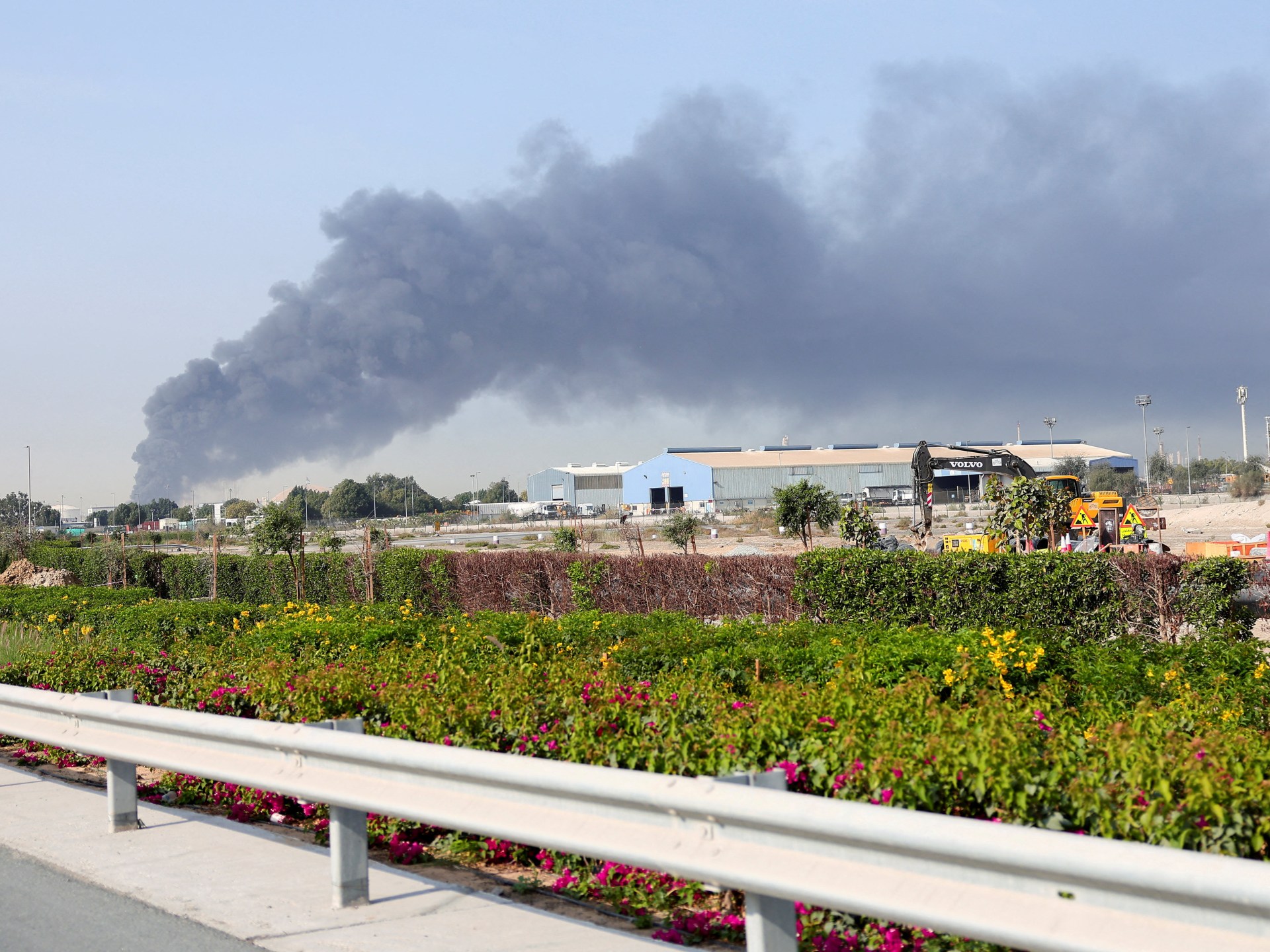
The operational theater in the Gulf has undergone a qualitative shift following the recent escalation, moving beyond previously established military engagement parameters. Confirmed interceptions by the UAE defense ministry—totaling 165 ballistic missiles, two cruise missiles, and 541 drones—demonstrate the sheer saturation and technical sophistication of the incoming threat profile.
Systemic Disruption: The Strategic Pivot to Civilian Targeting
The sustained nature of these attacks, deliberately including critical civilian infrastructure alongside military installations, directly invalidates the assumption of the United States as the sole, inviolable security guarantor. Tehran’s expansion of target sets—now encompassing commercial centers, luxury hospitality venues, high-rise residences, and key airport terminals—signals an intent to inflict systemic disruption, not merely military attrition.
For Gulf Cooperation Council (GCC) members (Saudi Arabia, Qatar, Bahrain, Kuwait, Oman), attacks on sovereign territory, despite neutrality regarding the initiating US-Israeli action against Iran, expose profound vulnerabilities in current defensive postures. This calculated collateral targeting mandates an immediate and significant reappraisal of national defense expenditure and alliance dependency structures.
Kinetic Load and Air Defense Credibility
The documented high-density saturation attack places unprecedented stress on integrated air defense systems maintained by allied nations. The success rate against such volume dictates the immediate operational credibility of domestic defense capabilities, irrespective of external support structures. Incidents in highly secured cities like Bahrain underscore that urban centers are now within the effective engagement envelope of Iranian asymmetric capabilities.
Targeting commercial transit nodes, such as airports, introduces a severe economic risk premium. Disruption to major logistics hubs immediately impacts global supply chains, triggers sharp increases in maritime and aviation insurance rates, and threatens sustained foreign direct investment (FDI) flows underpinning Gulf diversification strategies.
Erosion of Conventional Deterrence Models
The conflict, triggered by the US-Israeli strike against Iranian leadership, is dismantling the stability model predicated on mutual deterrence, where confrontation costs were deemed prohibitive for unilateral initiation. The current trajectory compels Gulf states to accelerate indigenous defense industrialization and develop regional security pacts insulated from immediate Washington operational posture changes.
Defense Procurement Validation and Market Impact
Observed performance metrics during these strikes will immediately inform future GCC defense procurement cycles. Platforms and doctrines demonstrating layered defense efficacy against specific drone and missile profiles will validate their suppliers, creating immediate competitive advantages. Conversely, overwhelmed or poorly performing systems face intense scrutiny and potential contract cancellation, pressuring established Western defense contractors whose market share relied heavily on perceived US security assurance.
Sovereign Risk and Capital Flight Velocity
The targeting of assets like luxury hotels directly re-prices sovereign risk for international capital markets. Perceived stability is the primary non-hydrocarbon asset of the Gulf economies. Immediate consequences include higher sovereign debt servicing costs and increased friction for financing long-term transformation plans (e.g., Vision 2030). High-net-worth individuals and specialized expatriate labor—critical economic multipliers—will recalibrate residency decisions based on sustained security assurances.
Alliance Cohesion Under Stress
The simultaneous, coordinated strikes across multiple GCC members test the cohesion of existing bilateral security architecture. The implied targeting of neutral parties exposes flaws in intelligence sharing and joint operational planning with entities like the US 5th Fleet. Any perceived failure in anticipating the scope of retaliation immediately erodes the high-level trust underwriting these security partnerships.
Energy Security Implications and Global Economic Export
Inclusion of commercial ports in the target matrix signals intent to disrupt global energy trade arteries. Even without direct hydrocarbon facility damage, elevated threat perception translates into a permanent ‘conflict risk premium’ for maritime transit through chokepoints like the Strait of Hormuz. This operational friction exports economic cost directly to global energy consumers.
Information Warfare and Narrative Control
The reporting of civilian impacts—sirens, visible detonations—is itself a strategic output, designed to generate internal political pressure and project external vulnerability. The management of the information environment, reconciling official interception confirmations with eyewitness accounts of local impacts, is now a primary function of national security, demanding rapid, transparent communication to sustain domestic confidence.
Precedent: Dissolution of Safe Zones
Expanding legitimate targets beyond strictly military assets erodes the threshold for acceptable engagement. If airports and commercial centers are validated targets in state-on-state exchanges, the concept of ‘protected infrastructure’ in the region dissolves. This necessitates an overhaul of continuity-of-government planning, shifting focus from preemptive defense to ensuring societal functionality during prolonged kinetic and cyber conflict.
Geopolitical Hedging Imperative
The crisis forces GCC states into a difficult geopolitical navigation between their primary security partner (US) and the immediate threat actor (Iran). Bearing the cost of retaliation without initiating the primary action incentivizes exploring diplomatic off-ramps or ‘hedging strategies’ that dilute overt alignment, viewing strategic ambiguity as a survival mechanism against overwhelming confrontation risks.
Technological Arms Race in Air Defense
The structural vulnerability exposed by high-volume drone and missile saturation necessitates a strategic shift from traditional defense models to distributed, resilient networks capable of absorbing initial shocks. The ensuing technological arms race between massed, low-cost offensive platforms and expensive interceptors will dictate defense budget allocations and technological partnerships for the coming decade.
Munitions Depletion and Fiscal Strain
The necessity of engaging hundreds of projectiles rapidly depletes integrated munitions stockpiles. Replenishment of these high-demand interceptor missiles, sourced via complex international supply chains, becomes an immediate budgetary and logistical priority. This forces acceleration of planned defense spending or diversion of capital from non-security domestic programs, requiring transparent fiscal management.
Diplomatic Leverage Shift
By demonstrating the capacity for simultaneous, systemic, non-military damage across multiple sovereign entities, Iran gains significant diplomatic leverage. The immediate impetus for de-escalation shifts to the willingness of the affected GCC states to advocate for restraint, as they are the principal stakeholders absorbing the conflict’s continuing cost, potentially fracturing collective GCC response strategies.