
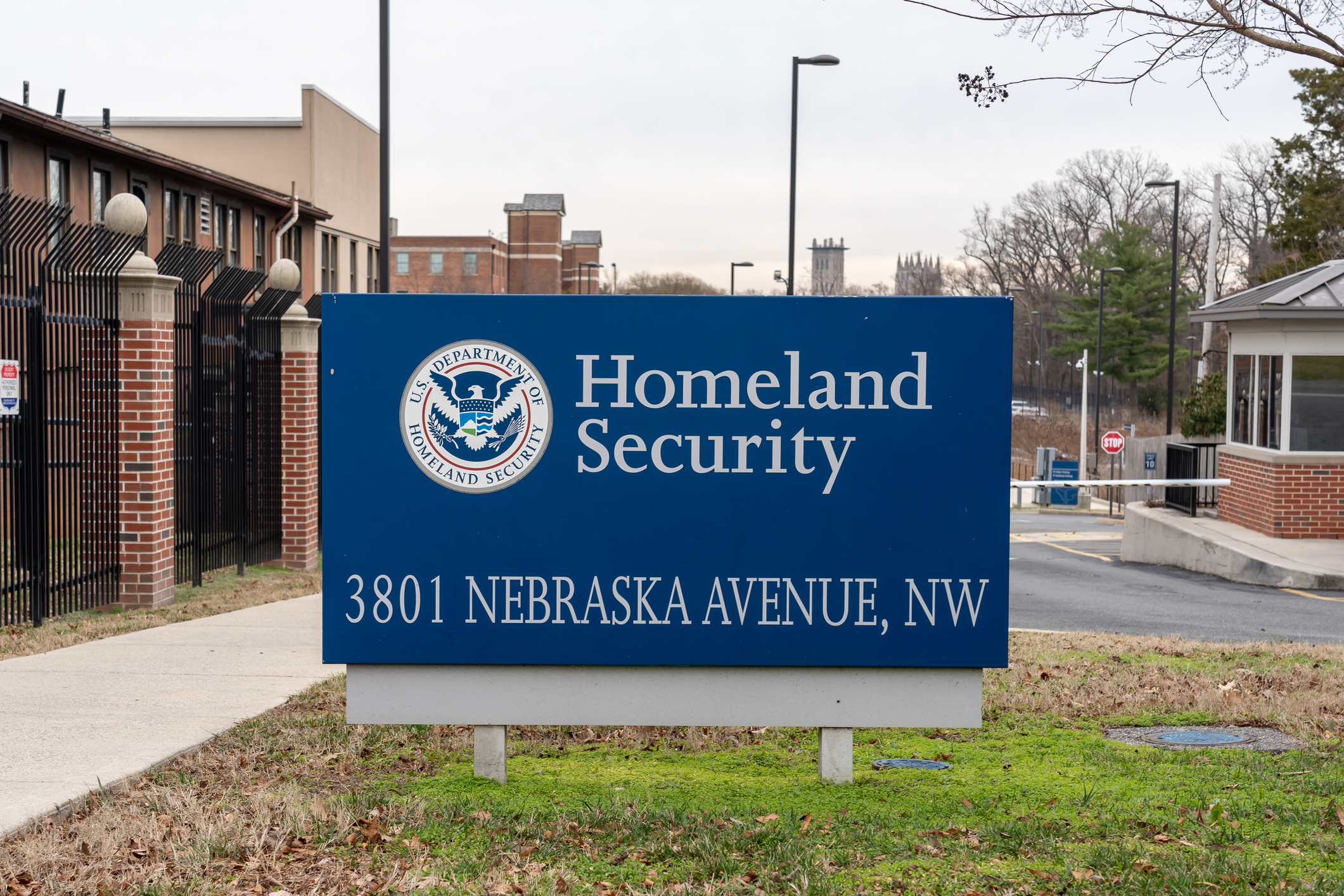
The structural impasse between the United States Senate and House Republican leadership regarding Department of Homeland Security (DHS) funding has transitioned from a legislative delay into a critical operational risk. This friction, characterized by a visible erosion of patience among Senate Republicans toward Speaker Mike Johnson, signals a breakdown in bicameral coordination that directly impacts the department’s functional capacity and national security posture.
The emergence of significant operational backlogs within DHS serves as a primary indicator of institutional degradation during funding lapses. These backlogs are not merely administrative delays but represent a cumulative loss of throughput in essential security, immigration processing, and regulatory functions that may take months to remediate once full funding is restored, exacerbating existing vulnerabilities.
The controversial decision to recall furloughed staff despite the ongoing shutdown underscores the inherent tension between stringent fiscal constraints and the non-negotiable requirements of national security. This maneuver highlights the profound legal and operational complexities of managing a federal workforce when the definition of essential services must be rigorously balanced against the absence of appropriated funds, creating a precarious operational environment.
Operational Paralysis and Escalating Backlogs
DHS officials have issued increasingly urgent warnings regarding the exponential growth of shutdown-related backlogs, which now affect a wide spectrum of departmental responsibilities. These delays create a compounding effect, where the cessation of non-essential activities inevitably begins to impede the efficiency of essential security operations through systemic administrative friction and resource misallocation.
The accumulation of unprocessed cases, stalled projects, and unfulfilled mandates represents a significant loss of institutional momentum and operational effectiveness. For critical stakeholders relying on DHS for regulatory approvals, security clearances, or immigration processing, these backlogs translate into direct, measurable economic and operational costs that extend far beyond the federal government, impacting private industry and individual lives.
Strategic decision-making within the department is currently dominated by immediate crisis management rather than proactive long-term planning. The inability to forecast funding stability severely constrains the department from committing to large-scale procurement or vital infrastructure projects, leading to a state of perpetual operational reactivity and hindering its ability to adapt to evolving threats.
The Precarious Human Capital Challenge
Recalling furloughed staff to work without guaranteed immediate compensation creates a profound strain on the department’s human capital and morale. This reliance on the professional obligation of the workforce to maintain national security during political volatility risks exacerbating long-term retention issues and significantly diminishes the attractiveness of federal service for skilled professionals.
The legal framework governing these emergency recalls is often severely tested during extended shutdowns, as the department must meticulously justify the essential nature of specific roles to avoid violating fiscal statutes. This rigorous process generates an internal administrative burden that further diverts scarce resources away from the department’s primary security mission, creating internal inefficiencies.
For the personnel involved, the abrupt transition from furlough to active duty without pay introduces significant personal financial uncertainty and stress. This instability can critically undermine operational focus and job performance, which is a paramount concern for an agency tasked with high-stakes security, enforcement, and public safety duties.
Bicameral Discord and Legislative Disarray
The reported erosion of patience among Senate Republicans toward Speaker Johnson reflects a significant strategic divergence in how to effectively address the escalating DHS funding crisis. While the House GOP has largely pursued a more confrontational fiscal path, Senate Republicans appear increasingly alarmed by the severe political and operational fallout of a prolonged department-wide disruption that impacts national security.
The ostensible effort to sync immigration funding plans between the two chambers suggests a belated attempt to present a unified legislative front. However, the persistent difficulty in achieving meaningful alignment unequivocally reveals the deep-seated ideological and tactical differences that continue to paralyze the legislative process and prevent consensus.
This chronic lack of inter-chamber coordination provides the executive branch with a degree of tactical flexibility but simultaneously leaves departmental leadership in a state of perpetual strategic uncertainty. Without clear and consistent legislative signals, DHS officials are compelled to make high-stakes resource allocation decisions based on fluid political winds rather than robust, established policy goals, compromising stability.
Systemic Costs of Funding Instability
The recurring nature of these funding crises has fundamentally institutionalized a pervasive culture of uncertainty within the DHS, impeding its core mission. This unpredictable environment actively discourages innovation and overtly favors the maintenance of the status quo, as departmental leaders are inherently hesitant to initiate new programs or long-term investments that face an immediate risk of being defunded in subsequent fiscal cycles.
The aggregate financial cost of these operational disruptions is substantial, extending far beyond initial budget figures. The laborious process of shutting down and systematically restarting complex operations consumes immense administrative resources, personnel hours, and critical operational bandwidth. These often-overlooked hidden costs frequently offset any perceived savings initially sought through the withholding of funds, resulting in a demonstrable net loss for the taxpayer and diminished governmental efficiency.
Furthermore, the detrimental reliance on stop-gap measures and emergency recalls severely undermines the department’s capacity to engage in vital multi-year strategic planning and capital investment. This fragmentation of focus is particularly damaging in mission-critical areas such as advanced cybersecurity infrastructure, border technology enhancements, and counter-terrorism initiatives, where consistent, predictable investment is absolutely essential to effectively keep pace with evolving global threats.
Broad Stakeholder Exposure and Economic Repercussions
Private sector partners and contractors deeply integrated into the DHS operational ecosystem face significant financial and logistical exposure during these protracted funding lapses. The suspension of payments, the stalling of contract awards, and the deferral of project starts can precipitate financial distress for smaller vendors, disrupt critical supply chains, and ultimately jeopardize the timely execution of contracts essential for national security operations.
The broader national economy also reacts with measurable apprehension to the pervasive uncertainty surrounding DHS funding, particularly impacting vital sectors related to transportation, international trade, and cross-border commerce. Any degradation in DHS’s fundamental ability to efficiently process goods, services, and people at ports of entry, airports, and border crossings has an immediate, direct, and quantifiable impact on economic activity and competitiveness.
International partners who routinely coordinate with the DHS on global security initiatives, intelligence sharing, and transnational crime enforcement may also perceive these internal funding struggles as a tangible sign of institutional instability and strategic unreliability. This perception can lead to a demonstrable weakening of vital international cooperation, erode trust, and decrease the overall effectiveness of crucial joint security operations, with global ramifications.
Toward Sustainable Resolution and Mitigating Future Crises
Resolving the current debilitating impasse demands more than merely a temporary funding bill; it necessitates a fundamental and lasting realignment of the legislative approach to DHS appropriations. The entrenched strategy of using departmental funding as political leverage for broader policy goals has demonstrably yielded diminishing returns and imposed escalating operational costs and risks on national security.
The palpable pressure emanating from Senate Republicans on the House leadership indicates that the political cost of the prolonged shutdown is finally beginning to outweigh the perceived benefits of the holdout. As the operational backlogs continue their exponential growth and the associated national security risks become increasingly acute, the imperative for a durable legislative compromise intensifies dramatically.
Ultimately, the foundational stability and operational integrity of the Department of Homeland Security are contingent upon a predictable, consistent, and depoliticized funding mechanism. Until the legislative process can reliably provide this, the department will remain in a perilous state of heightened vulnerability, with its dedicated personnel and critical operations serving as the primary, yet fragile, buffer against profound political volatility and strategic neglect.
The long-term consequences of this period of systemic instability may necessitate a comprehensive restructuring of how DHS manages its essential versus non-essential designations, potentially leading to a more robust insulation of critical functions. By refining these categories and developing contingency frameworks, the department may seek to mitigate the direct impact of future funding lapses on its most vital operations.
However, such administrative adjustments, while prudent, cannot fundamentally replace the urgent need for a fully functional, collaborative legislative process. The current crisis serves as an undeniable, stark reminder of the intrinsic interconnectedness between political decision-making, congressional appropriations, and the operational integrity of the nation’s multifaceted security infrastructure.
As the Senate and House GOP attempt to belatedly sync their divergent strategies, the critical focus remains on whether a substantive consensus can be achieved before the operational backlogs reach a point of systemic failure, potentially eroding public trust and national security. The resolution, or lack thereof, of these fraught negotiations will undeniably set the critical fiscal and operational trajectory for the department for the remainder of the year and beyond.

Photo by srinivasaraopandreka on Pixabay.