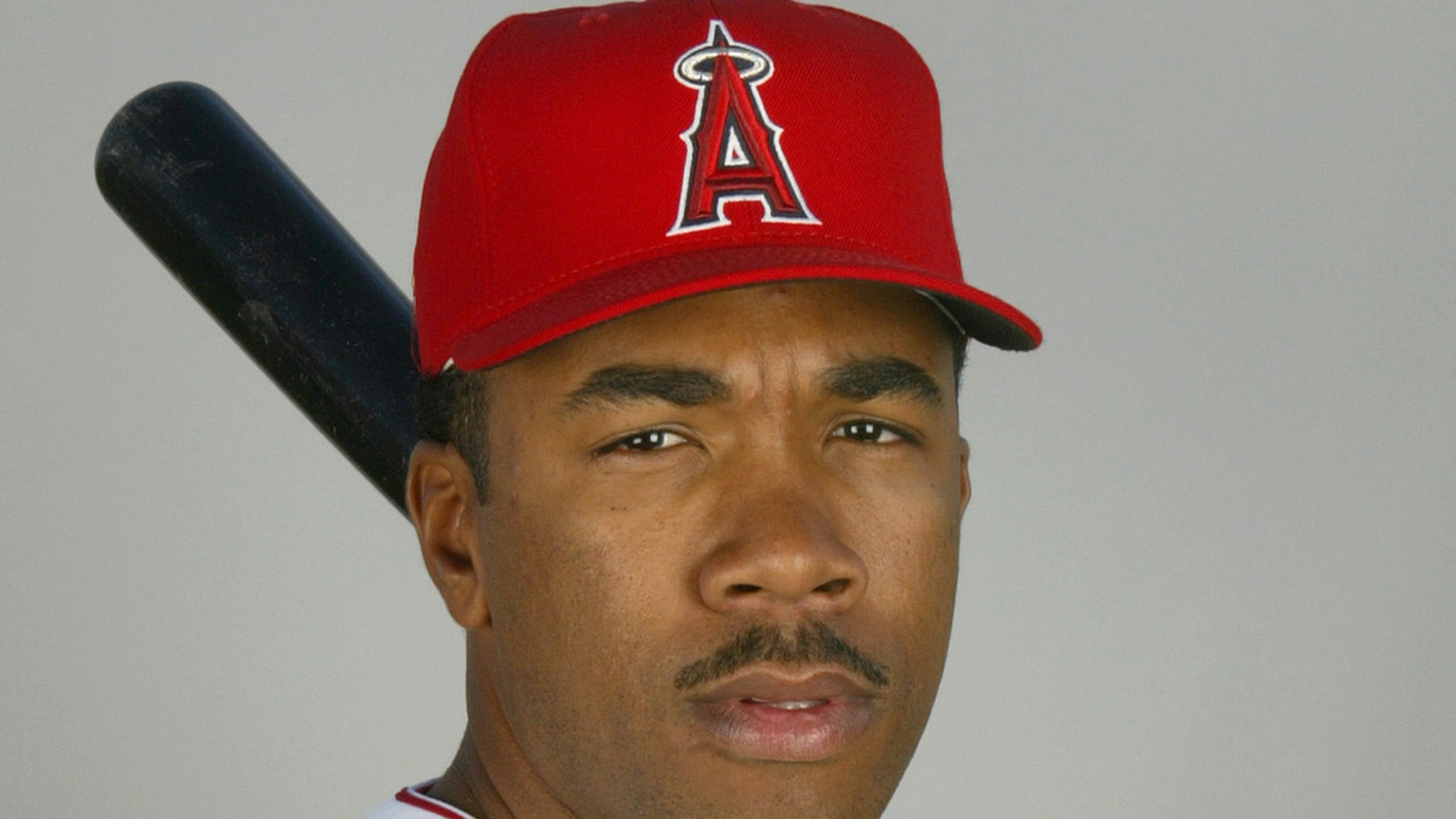
Angels Mourn Garret Anderson: The Strategic Imperative of Legacy Management
The Los Angeles Angels organization announced the sudden passing of Garret Anderson at the age of 53, marking the loss of a foundational figure revered as a World Series hero. This event immediately prompted a comprehensive institutional response, underscoring the profound organizational and emotional capital invested in its iconic athletes.
Angels owner Arte Moreno’s statement of profound grief, characterizing Anderson as a “cornerstone” whose “stoic presence” elevated the team into an era of sustained success, serves as a strategic communication. Such declarations reinforce organizational values, acknowledge historical contributions, and maintain continuity with the expansive fanbase, critically shaping the franchise’s public narrative.
On-Field Excellence: Building Brand Value and Competitive Differentiation
Anderson’s illustrious 15-season tenure with the Angels (1994-2008) cemented his status as an unparalleled statistical leader for the franchise. His records in hits (2,368 with Angels), games played, runs scored, RBIs (1,292 with Angels), and total bases are not merely numerical achievements; they represent tangible historical performance data. This sustained operational excellence, evidenced by his 17-season career totals of 2,529 hits, 287 home runs, and 1,365 RBIs, forms a core component of the Angels’ brand identity, offering a competitive differentiator and a rich historical narrative for marketing and fan engagement.
The pinnacle of Anderson’s impact was his central role in the 2002 World Series championship. This triumph fundamentally reshaped the Angels’ competitive standing and fan perception, transforming Anderson into an indelible symbol of collective achievement. His “World Series hero” status directly contributed to a significant elevation in the franchise’s profile within Major League Baseball, enhancing its brand equity and commercial appeal. His individual accolades, including dual Silver Slugger Awards (2002, 2003), an All-Star Game MVP, and a Home Run Derby win (both 2003), further amplified his marketability and the team’s overall visibility during his peak years. Notably, his offensive output placed him second only to Derek Jeter in hits from 1997-2003, contextualizing his elite performance within a highly competitive era.
Strategic Legacy Management: Perpetuating Connection and Cultural Capital
Beyond his playing career, the Angels strategically managed Anderson’s legacy to sustain his value. His post-career engagement as an analyst for pre and post-game broadcasts allowed the organization to retain established personalities, providing continuity for media offerings and embedding former players into the team’s ongoing narrative. His induction into the Angels Hall of Fame in 2016, as only the 14th individual, signifies the formal institutionalization of his legacy. Such recognition programs are critical for a franchise’s long-term strategy, honoring its past, cultivating tradition, and providing aspirational figures for current and future players.
The immediate response to Anderson’s passing—including the announcement of a memorial patch for the season, a moment of silence, and a special tribute video—highlights a multi-faceted stakeholder engagement strategy. These actions are carefully calibrated to provide a collective opportunity for mourning and remembrance, reinforcing fans’ emotional investment and fostering a shared community experience. From a strategic communications perspective, this prompt and comprehensive response demonstrates a commitment to honoring heritage and managing public image, reinforcing organizational integrity and respect.
Broader Implications: Athlete Welfare and Enduring Brand Resonance
The mention of a “medical emergency” as the cause of death, while brief, implicitly touches upon broader societal conversations around athlete welfare and post-career health, a topic of increasing relevance across professional sports. This human element resonates with a wider audience, transcending purely sports enthusiasts.
Ultimately, the strategic management of a player’s legacy, particularly one of Anderson’s significance, carries substantial financial and brand equity implications. His identity as a World Series hero and record-holder directly contributes to the Angels’ brand narrative, a critical component of their market valuation, influencing merchandise sales, ticket promotions, and media rights. The ongoing preservation of his story, intertwined with the franchise’s most significant achievement and values like “professionalism, class, and loyalty” cited by Moreno, provides invaluable cultural capital. This active component of the Angels’ brand equity continues to resonate, offering a powerful narrative for future marketing and fan engagement initiatives, proving that a robust connection to historical figures is an authentic and valuable asset in a competitive entertainment landscape. The continuity of family involvement, with condolences extended to his wife and children, further underscores the human dimension of such a loss, which transcends the professional realm and is vital for public and community relations.