WBC Opener Highlights Competitive Disparity and Market Cultivation Challenges
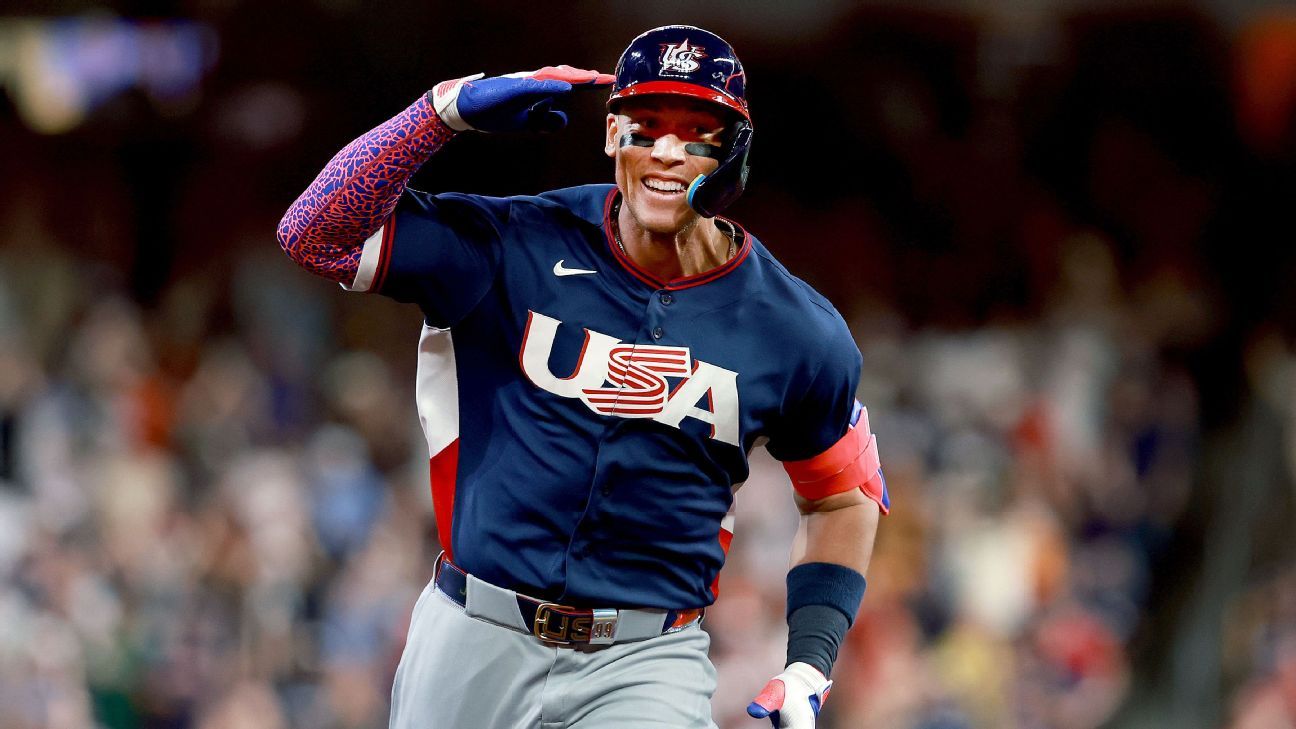
The United States’ decisive 15-5 victory over Brazil in the World Baseball Classic (WBC) opener highlighted significant competitive asymmetry inherent in the tournament’s structure. While Team USA leveraged a roster featuring elite talent, exemplified by Aaron Judge’s early offensive contributions, Brazil’s performance underscored the challenges faced by developing baseball nations. The outcome raises critical questions about the long-term viability of a format that aims to expand global participation while simultaneously maintaining competitive integrity and fan engagement across all matchups. The lopsided scoreline, driven by a powerful offensive display from the U.S. side, contrasts sharply with Brazil’s limited output. This disparity in resources and talent depth creates a structural challenge for tournament organizers who must balance global outreach goals with the need to deliver compelling, competitive contests for media partners and a global audience.
Strategic Risk and Player Incentives
The participation of high-value players like Aaron Judge is central to the WBC’s commercial appeal and strategic positioning. The tournament’s success hinges on attracting top-tier talent, which validates its status as a premier international competition. However, this participation introduces significant risk for MLB clubs, which have invested heavily in these assets. The tension between national team commitment and club asset protection is a recurring theme in international tournaments. A tangible example of this risk occurred when Byron Buxton was hit by a pitch in the fifth inning and subsequently left the game. While the severity of the injury is not specified, the incident highlights the vulnerability of high-value players during pre-season competition. For MLB clubs, the potential loss of a key player to injury during the WBC represents a significant financial and operational threat, potentially impacting performance leverage and competitive positioning for the upcoming season.
The strategic decision by players to participate involves a complex calculation of personal brand building, national pride, and potential injury risk. For established stars, the tournament offers a platform for global exposure beyond the regular MLB season. For clubs, the decision to allow participation is a calculated risk, often mitigated by insurance policies and specific player agreements, though the operational impact of a potential injury remains high. The tournament also offers pre-season preparation benefits for established pitchers like Logan Webb, who used a controlled four-inning outing to build arm strength and refine mechanics in a competitive environment.
Talent Development and Market Expansion Dynamics
The WBC serves as a critical platform for talent identification and development in non-traditional baseball markets. The performance of Lucas Ramirez, who became the youngest player in WBC history with a multi-homer game, demonstrates the tournament’s role in showcasing emerging talent from developing nations. Ramirez’s connection to 12-time All-Star Manny Ramirez adds a generational narrative, which enhances the tournament’s storytelling appeal and marketability. Furthermore, the source highlights the participation of 17-year-old high school senior Joseph Contreras, who managed to get Judge to ground into a bases-loaded double play. This individual highlight, while not altering the game’s outcome, underscores the developmental aspect of the tournament. For players like Contreras, the WBC provides invaluable exposure to elite competition, potentially accelerating their development and increasing their visibility to professional scouts.
Brazil’s historical context—its second appearance in the tournament and previous 0-4 record—illustrates the long-term challenge of building competitive infrastructure in new markets. The WBC’s strategic goal is to cultivate these markets by providing exposure and experience, even if initial results are lopsided. The tournament acts as a catalyst for investment in local baseball programs and infrastructure, with the ultimate aim of creating a more globally balanced competitive landscape over time.
Media Rights and Audience Monetization Strategy
The media distribution strategy for the WBC leverages existing relationships with major sports broadcasters, including SiriusXM, FOX Sports, and MLB Network Radio. This approach ensures maximum reach among existing baseball fans during the pre-season period. The tournament serves as valuable content for these partners, filling a programming gap before the start of the regular MLB season and enhancing the value proposition of subscription services like SiriusXM. The specific mention of radio broadcast availability on car radios and smart devices highlights a targeted monetization strategy focused on convenience and accessibility for a dedicated fan base. By integrating the WBC into established media channels, organizers minimize marketing costs and maximize audience capture. This strategy reinforces the tournament’s role as a pre-season content generator, providing live games and narratives that sustain fan interest during a typically slower period for baseball media coverage period baseball media.
Structural Implications for Global Baseball Governance
The WBC’s structure and competitive dynamics reflect broader issues in global sports governance. The tournament’s reliance on MLB players creates a dependency on club cooperation and a potential conflict of interest regarding player welfare. While the inclusion of developing nations like Brazil fulfills the mandate of global expansion, the lopsided results raise questions about whether the current format effectively serves both the elite teams and the developing nations. The challenge for organizers is to create incentives that encourage participation from all levels while ensuring the product remains compelling for a global audience. The tournament’s ability to generate new narratives, such as Ramirez’s multi-homer game, is crucial for its long-term relevance. These individual stories help to humanize the competition and attract new fans, even when team results are predictable. The WBC’s success ultimately depends on its ability to leverage these narratives to build a sustainable global following and increase the value of future media rights deals.