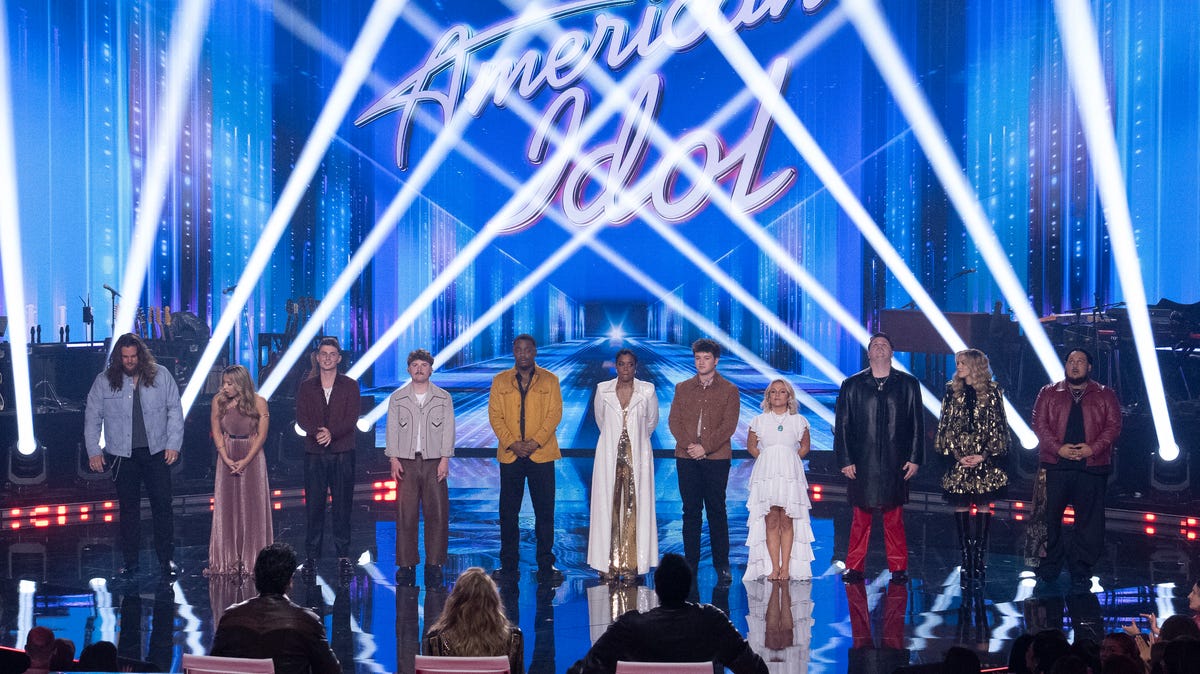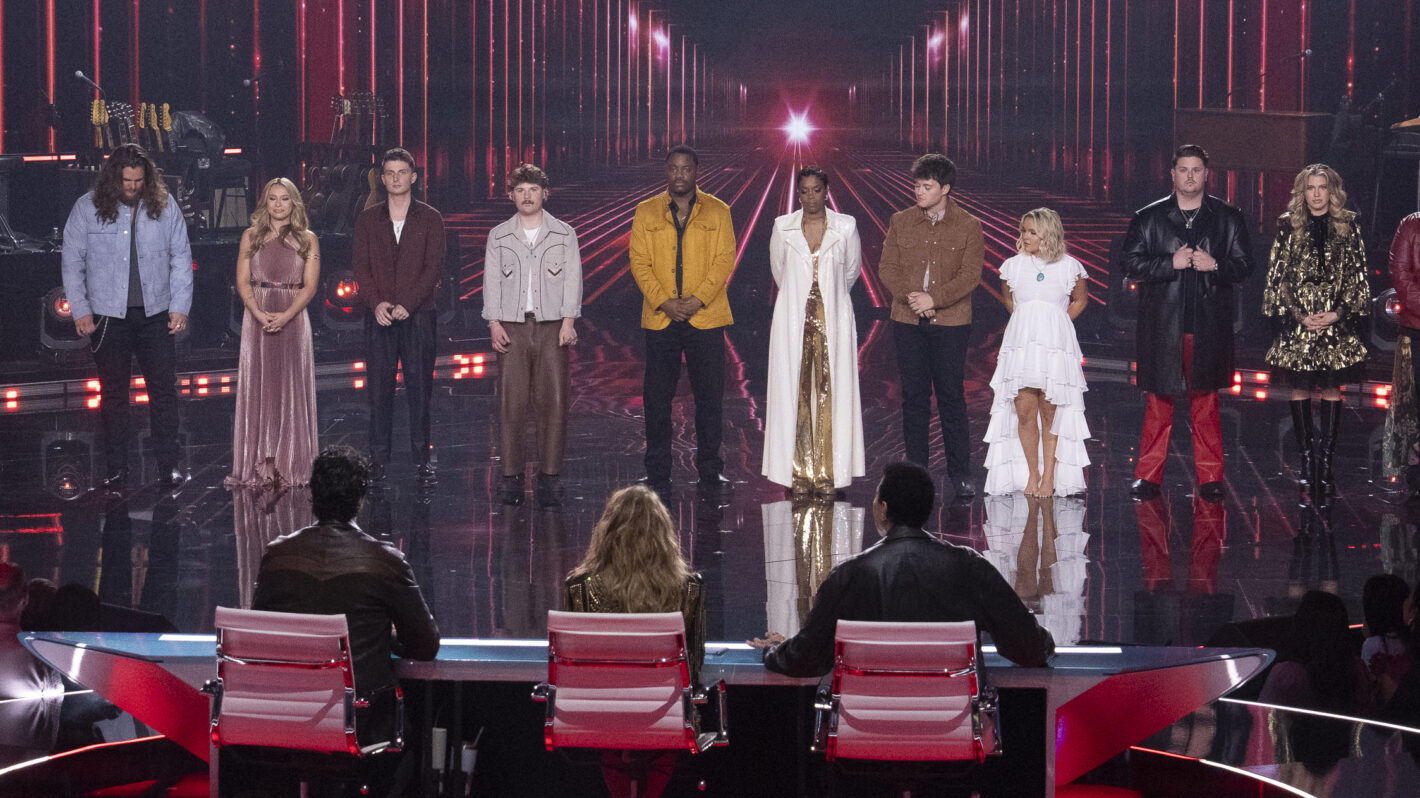
The progression from the Top 9 to the Top 7 in the current season of American Idol represents a high-stakes attrition phase where contestant marketability eclipses baseline vocal talent. Disney Night serves as a sophisticated instrument of vertical integration, tasking performers with navigating legacy intellectual property while securing real-time audience validation through an unbuffered live voting model.
Mentorship from Season 3 alumna Jennifer Hudson provides more than nostalgic appeal; it serves as institutional validation. As an EGOT recipient, Hudson’s presence reinforces the Idol brand’s historical efficacy, offering a tangible blueprint for long-term career sustainability and commercial viability that extends beyond the competition’s immediate cycle.
Vertical Integration and Brand Ecosystems
Disney Night operates as a critical cross-promotional engine within the ABC-Disney-Hulu ecosystem. By performing arrangements from franchises like The Lion King and Aladdin, contestants participate in a branding exercise that sustains the cultural relevance of Disney’s filmography. This synergy optimizes the network’s reach, converting viewers into active participants in a multi-generational marketing event.
The strategic deployment of emotional equity was best exemplified by Keyla Richardson’s rendition of ‘Circle of Life.’ By mirroring Hudson’s own performance from 22 years prior, the production created a narrative loop that capitalized on viewer sentiment to drive engagement during the live voting window—a period where the judging panel (Underwood, Richie, Bryan) loses structural control to a demand-driven market.
Market Viability and Performance Analytics
Keyla Richardson’s advancement to the Top 7 validates the audience’s demand for high-caliber anthems. Her ability to illicit a visceral response from a professional of Hudson’s stature serves as a significant endorsement of her potential as a commercial recording artist. Similarly, Lucas Leon’s survival as an ‘old soul’ indicates a stable niche demographic that prioritizes technical maturity over fleeting contemporary trends, a tactical necessity in a competition that often over-indexes on high-energy spectacle.
Jordan McCullough’s use of gospel-inflected techniques highlights the enduring influence of traditional vocal archetypes within the Idol ecosystem. This stylistic choice secures a loyal voting base, providing a structural buffer as the field narrows. Meanwhile, the return of Rae for a personal brand ‘hard-launch’ illustrates the evolution of contestant strategy, where the platform is leveraged for social media visibility and narrative control independent of the musical scores.
Tactical Shifts and Operational Dynamics
As contestants like Brooks Rosser and Daniel Stallworth navigated the pressures of opening slots and stylistic pivots, the inherent volatility of the live format became apparent. Rosser’s stripped-back approach to ‘The Climb’ attempted to demonstrate range through vulnerability, a critical differentiator required to avoid bottom-tier placement. Conversely, Stallworth’s technical consistency in the opening slot established the evening’s performance ceiling, a role vital for maintaining broadcast momentum.
The elimination of two performers underscores the accelerating pace of the competition. As the remaining Seven transition from the Disney catalog into individualized thematic challenges, success will be determined by artistic autonomy and the ability to maintain a coherent brand identity across diverse genres. This phase marks the threshold for professional industry interest, where performances transition from television entertainment to legitimate market auditions.
The Hudson Factor: Legacy as Strategic Asset
Hudson’s role as mentor functions as a strategic counter-narrative to the ‘winner-takes-all’ fallacy. Her trajectory from a seventh-place finish to global superstardom provides the show with necessary credibility in a saturated talent market. Her critiques—focused on technical nuance and emotional connectivity—provide a level of professional development that distinguishes American Idol as a premier launchpad for aspiring artists. This narrative layering ensures the show remains a cultural touchstone by bridging its storied past with its data-driven future.