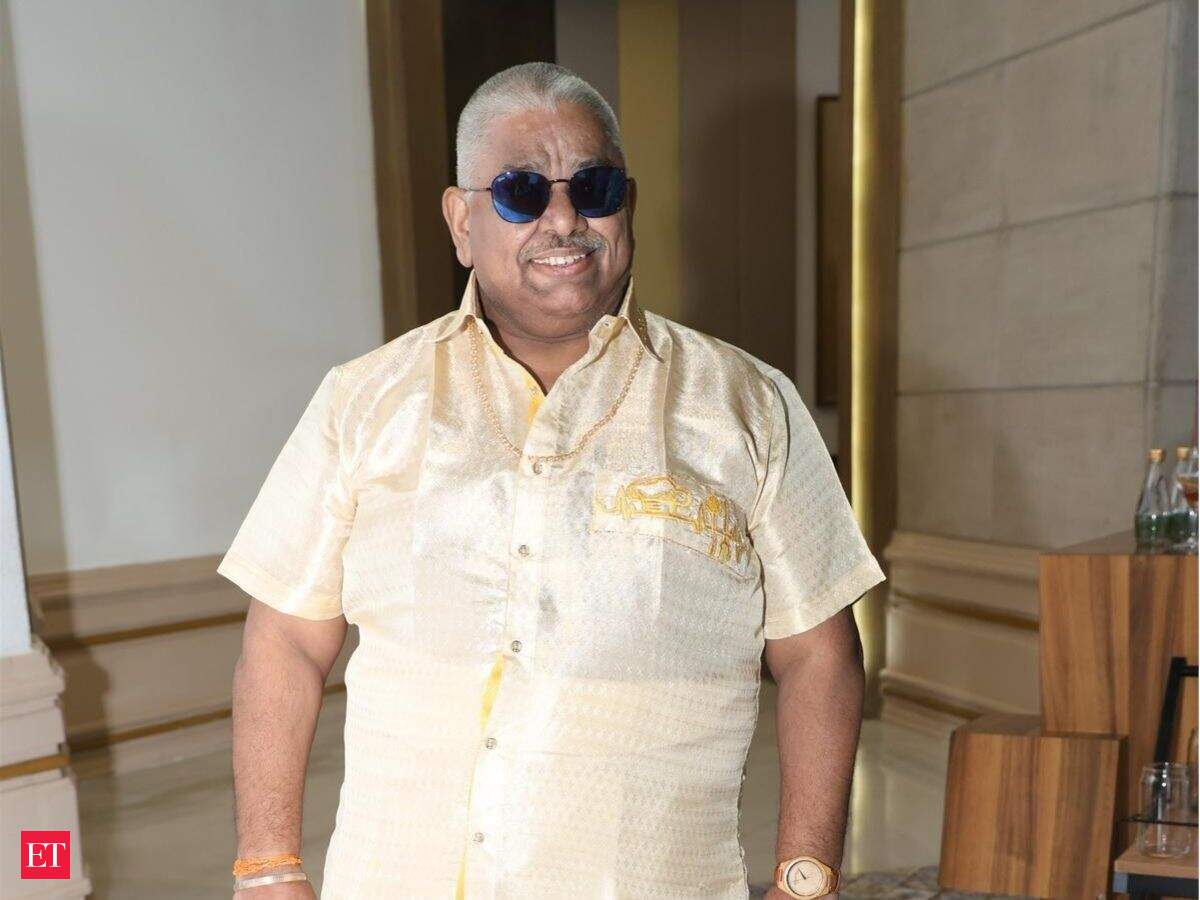
Damodharan Kothandaraman, universally known across South India and the Tamil diaspora as Chef Damu, has died at the age of 72 following health complications. His passing on Sunday concludes a transformative five-decade trajectory across commercial food systems, formal academic research, non-fiction culinary publishing, and satellite entertainment. Beyond his widespread recognition as a television personality, Damodharan functioned as an institutional reformer who integrated vernacular kitchen techniques into university-level hospitality education and preserved localized gastronomic biodiversity.
His public visibility persisted until his final months, punctuated by an operational absence from the semi-finals of Star Vijay’s high-rating culinary franchise Cooku with Comali Season 7. The chef had directly addressed viewers via a video dispatch detailing the health constraints that precluded his appearance. His demise prompts a broader critical reassessment of his structural interventions in Indian hospitality pedagogies, print documentation, and televised regional foodways.
Socio-Economic Mobility and the Formalization of Hospitality Pedagogy
Damodharan’s initial operational entry into the hospitality sector occurred through low-tier utility labor, washing dishes in commercial restaurant kitchens. This scullery-level exposure provided direct immersion in the physical rigors, inventory pacing, and logistical demands of food service establishments. Systematically advancing through back-of-house operational hierarchies, he converted empirical kitchen practice into supervisory command.
Rather than remaining confined to traditional hospitality career tracks, Damodharan pursued academic credentialing, ultimately becoming the first Indian culinary professional to earn a PhD in Hotel Management, conferred by the University of Madras. This academic milestone restructured institutional hospitality frameworks in India. By introducing empirical cooking methodologies into doctoral-level hospitality administration, he challenged the historical dichotomy between manual culinary tradecraft and scholarly research, setting standardized training benchmarks across regional catering institutions.
Codification of Tamil Foodways and Methodological Benchmarks
A central pillar of Damodharan’s output was the formal documentation of regional South Indian culinary traditions, which had historically relied on domestic, oral transmission. His empirical focus cataloged the complex micro-regional flavor profiles of Tamil Nadu, specifically documenting Chettinad spicing matrices, coastal seafood techniques, and historical vegetarian assemblies.
This preservationist drive produced a print corpus exceeding twenty authored volumes. Within these works, generational home preparations were codified into reproducible formulas, standardized measurements, and rigorous procedural workflows, insulating indigenous recipes against urbanization and industrial dietary homogenization. To demonstrate the logistical capacity and speed inherent in regional culinary architecture, he executed an internationally monitored demonstration, securing a Guinness World Record by preparing 617 distinct culinary dishes in a single continuous session.
Broadcast Media Dynamics: Hybridizing Pedagogy and Entertainment
Damodharan recognized the scalable educational potential of regional broadcast media early in his career, securing long-term programming associations with networks including Jaya TV and Star Vijay. These collaborations shifted culinary programming out of marginal morning time-slots and into commercially viable daytime and prime broadcast schedules.
His broadcast footprint reached peak market penetration through Star Vijay’s hybrid cooking-comedy format Cooku with Comali. Serving as the primary technical judge alongside an ensemble cast of comedians, Damodharan provided critical counterbalance to the unscripted comedic chaos. Balancing demanding technical assessments with a paternal accessibility that earned him the moniker “Damu Appa,” he maintained the program’s competitive credibility while maximizing network ratings across cross-generational demographic segments.
Sovereign Recognition and Industry Succession
The sovereign validation of Damodharan’s contributions culminated in the conferral of the Padma Shri, one of the Republic of India’s highest civilian honors. The distinction signified state recognition of regional gastronomy as an indispensable element of national cultural infrastructure and intangible heritage. He utilized his elevated stature to lobby for enhanced vocational safety nets, equitable compensation models, and structured apprenticeships for entry-level kitchen workers.
His death exposes significant succession challenges within both media networks and culinary education. Television broadcasters face the loss of a trusted figure whose authority derived from substantive tradecraft and academic credentials rather than ephemeral digital virality. Simultaneously, hospitality institutes must now navigate training paradigms without his active curricular leadership. Damodharan leaves behind a formalized discipline where Tamil regional food is permanently codified in academic literature, commercial standards, and public consciousness.