Delta Flight 2311 Suffers Pressurization Failure, Executes Emergency Diversion
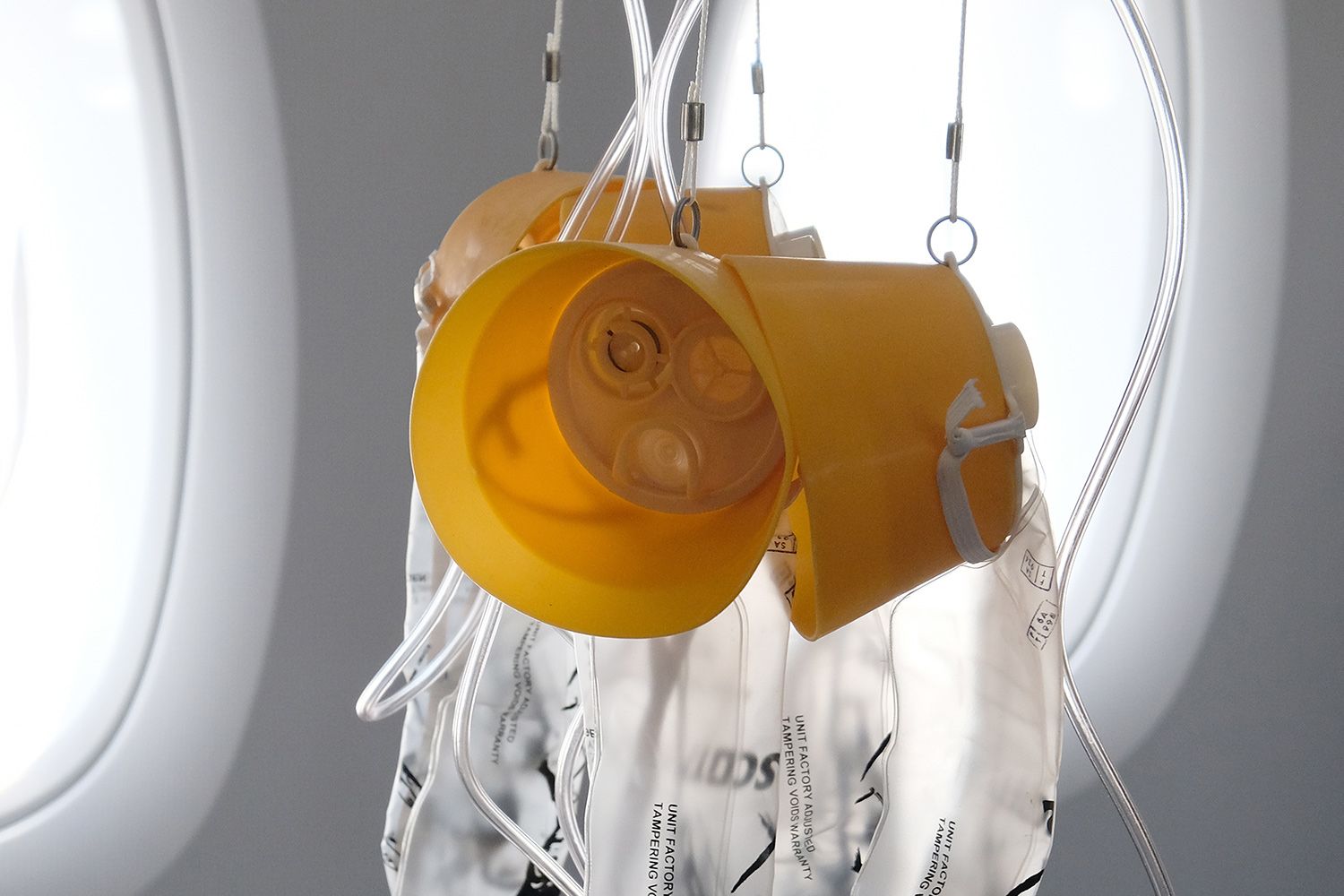
On September 6, Delta Flight 2311, a Boeing 737-900ER en route from Los Angeles to Salt Lake City, experienced a critical pressurization failure shortly after takeoff. The aircraft rapidly descended approximately 27,000 feet within ten minutes, from an initial altitude of 36,200 feet down to 9,000 feet. This dramatic event necessitated the deployment of oxygen masks for the 174 passengers and six crew members and an immediate diversion to Las Vegas for a safe landing.
Flight Crew Response Demonstrates Adherence to Safety Protocols
The flight crew of Delta Flight 2311 responded decisively to the unexpected airworthiness issue, adhering to established aviation safety protocols. Their swift action to reduce altitude and divert to the nearest suitable airport prioritized passenger and crew safety over continuing the scheduled flight. The crew’s communication with Air Traffic Control, indicating a “rapid descent” and request for a direct vector to Las Vegas, underscored the critical nature of the situation.
Passenger Ordeal and Post-Incident Procedures
Passengers onboard experienced a distressing event, characterized by the sudden deployment of oxygen masks and the significant altitude change. Following the safe landing in Las Vegas, all passengers deplaned without injury. Delta Air Lines arranged for rebooking on alternative flights and issued an apology for the disruption and passenger distress, acknowledging the professionalism of its crews.
Analysis of Pressurization System Failures in Aviation
Pressurization system failures, while uncommon, pose a significant operational risk in commercial aviation. Maintaining optimal cabin pressure is paramount for passenger and crew well-being. Such incidents highlight the importance of robust maintenance schedules, advanced diagnostic systems, and comprehensive crew training in managing unexpected airworthiness challenges. The incident serves as a stark reminder of the complex engineering and human oversight required for safe flight operations.
Regulatory Scrutiny and Industry-Wide Safety Implications
Aviation authorities, including the Federal Aviation Administration (FAA), will likely conduct a thorough investigation into the root cause of the pressurization failure on Delta Flight 2311. These investigations typically assess technical malfunctions, crew performance, and adherence to safety management systems. Findings often lead to enhanced safety directives, design modifications, and refined pilot training programs across the industry to prevent recurrence.
Fleet-Wide Risk Assessment and Proactive Maintenance
An incident involving a specific aircraft model, like the Boeing 737-900ER in this case, prompts airlines and manufacturers to review similar aircraft in their fleets. This may involve intensified inspections of environmental control systems and cabin pressure regulators. Proactive maintenance and lifecycle management of critical components are essential for mitigating systemic risks and ensuring fleet-wide reliability.
Financial and Reputational Impact on Airlines
Beyond immediate safety concerns, such incidents carry significant financial and reputational weight for airlines. Costs associated with diversions, passenger reaccommodation, potential aircraft downtime for inspections, and possible regulatory penalties can impact profitability. Public perception of an airline’s safety record is also a critical factor influencing passenger trust and booking decisions, necessitating transparent communication.
Technological Advancements and Redundancy in Pressurization Systems
Modern aircraft are equipped with sophisticated sensors and automated controls for cabin pressurization. However, the reliability of these systems depends on redundancy and effective manual override capabilities. The crew’s decisive action in Delta Flight 2311 highlights the continued importance of pilot training in managing system anomalies and ensuring safe outcomes, even with advanced technology.
Crew Training: The Linchpin of Emergency Response
The crew’s adherence to training and procedures in managing the pressurization emergency is a testament to the effectiveness of rigorous pilot and cabin crew training programs. These programs include simulations for critical scenarios like rapid decompression, ensuring crews are prepared to act quickly and professionally under duress. Such preparedness is fundamental to aviation safety.
Passenger Trust and Psychological Impact of Incidents
Experiencing an emergency descent and oxygen mask deployment can be psychologically impactful for passengers, potentially increasing anxiety surrounding air travel. Airlines and the aviation sector focus on clear communication and passenger support to rebuild confidence. Consistent safety performance and transparent incident management are key to maintaining and strengthening passenger trust.
Data Analytics in Proactive Aviation Safety
The aviation industry increasingly utilizes data analytics from flight recorders, maintenance logs, and sensor data to identify potential risks proactively. Detecting subtle trends or anomalies allows for preventative maintenance and intervention before a minor issue escalates into a critical incident, enhancing overall safety management.
Conclusion: Ongoing Vigilance in Aviation Safety
The Delta Flight 2311 incident underscores the multi-faceted nature of aviation safety, emphasizing the critical integration of advanced technology, stringent regulations, comprehensive training, and operational protocols. It serves as a clear illustration of safety systems functioning as intended under pressure, reinforcing the industry’s unwavering commitment to prioritizing the well-being of all onboard.