The Erosion of the Establishment Mandate in Rhode Island
The 2026 Rhode Island Democratic primary for Lieutenant Governor serves as a microcosm of institutional fragility. While incumbent Sabina Matos secured a projected 37.3% plurality, the results suggest an operationally challenged mandate. The combined 43.6% capture by challengers Xaykham Khamsyvoravong (26.3%) and Susan Anderbois (17.3%) underscores a significant electoral detachment from the party’s central leadership.
Geographic data from high-engagement suburban corridors like Barrington and Bristol reveal a localized rejection of the status quo. In Barrington, Khamsyvoravong’s 30.2% performance against Matos’s 19.9% illustrates a socioeconomic divergence where institutional loyalty is increasingly secondary to specific policy performance. This fragmentation necessitates a rapid coalition-building effort to mitigate vulnerabilities ahead of the general election.
Resource Asymmetry and the Republican Tactical Advantage
In contrast to the Democratic field’s internal friction, John Loughlin II’s uncontested path to the Republican nomination offers a distinct tactical advantage: capital preservation. By bypassing a resource-intensive primary, the Loughlin campaign enters the general cycle with consolidated financial reserves and a unified organizational focus. This allows the GOP to exploit the plurality-based divisions of the Democratic primary, pivoting early toward a general election message focused on executive efficiency and administrative reform.
The New Hampshire Senate Pivot: A Collision of Legacies
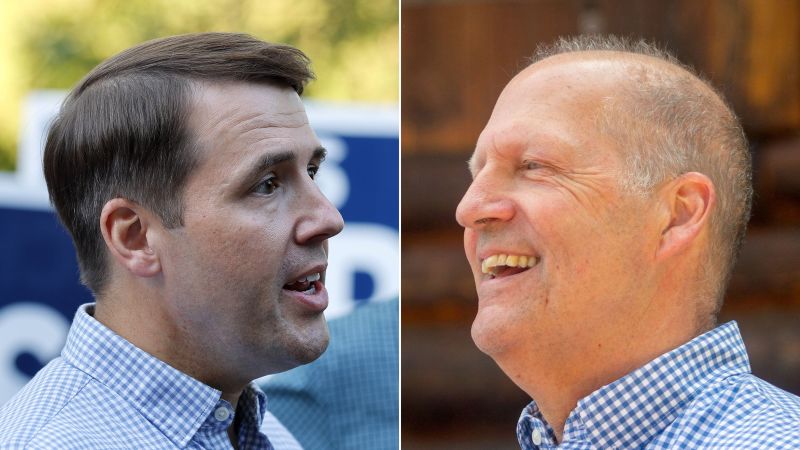
The Senate vacancy created by Jeanne Shaheen’s retirement has triggered a high-stakes realignment. Representative Chris Pappas’s decision to vacate his safe House seat to challenge Republican former Senator John E. Sununu transforms the contest into a referendum on political lineage. This matchup pits two of New Hampshire’s most established political brands against one another, testing the durability of historical resonance in a modern, polarized electoral environment.
This strategic gamble introduces systemic risk for the Democratic Party. By moving Pappas to a statewide race, the party must now defend an open 1st Congressional District, potentially complicating national efforts to maintain legislative influence. The outcome will likely hinge on whether Sununu can transcend past criticisms of national GOP figures to appeal to the state’s historically independent-minded electorate.
Institutional Consolidation vs. Outsider Appeal
The entry of Stefany Shaheen into the 1st District race further highlights the reliance on institutional legacy to mitigate the risks of open-seat vacancies. Leveraging an extensive political infrastructure, Shaheen faces Republican businessman Anthony DiLorenzo. This contest provides a clear contrast between institutional continuity and the private-sector outsider narrative, a recurring theme in New Hampshire’s split-ticket political culture.
Simultaneously, Governor Kelly Ayotte’s renomination reinforces Republican stability in the executive branch. Facing healthcare attorney Cinde Warmington, Ayotte’s campaign will likely emphasize administrative continuity against Warmington’s policy-driven challenge. This structural split—a Republican-held governorship alongside Democratic-held federal seats—remains the defining characteristic of New Hampshire’s complex political identity.
Conclusion: Suburban Volatility and Policy Implications
The 2026 primaries reveal a New England political ecosystem in transition. The erosion of incumbent support in traditional suburban strongholds suggests that historical party affiliation is no longer a guarantee of success. As candidates pivot toward the general election, the ability to consolidate fractured bases and address localized economic concerns will determine the region’s legislative and executive trajectory for the remainder of the decade.