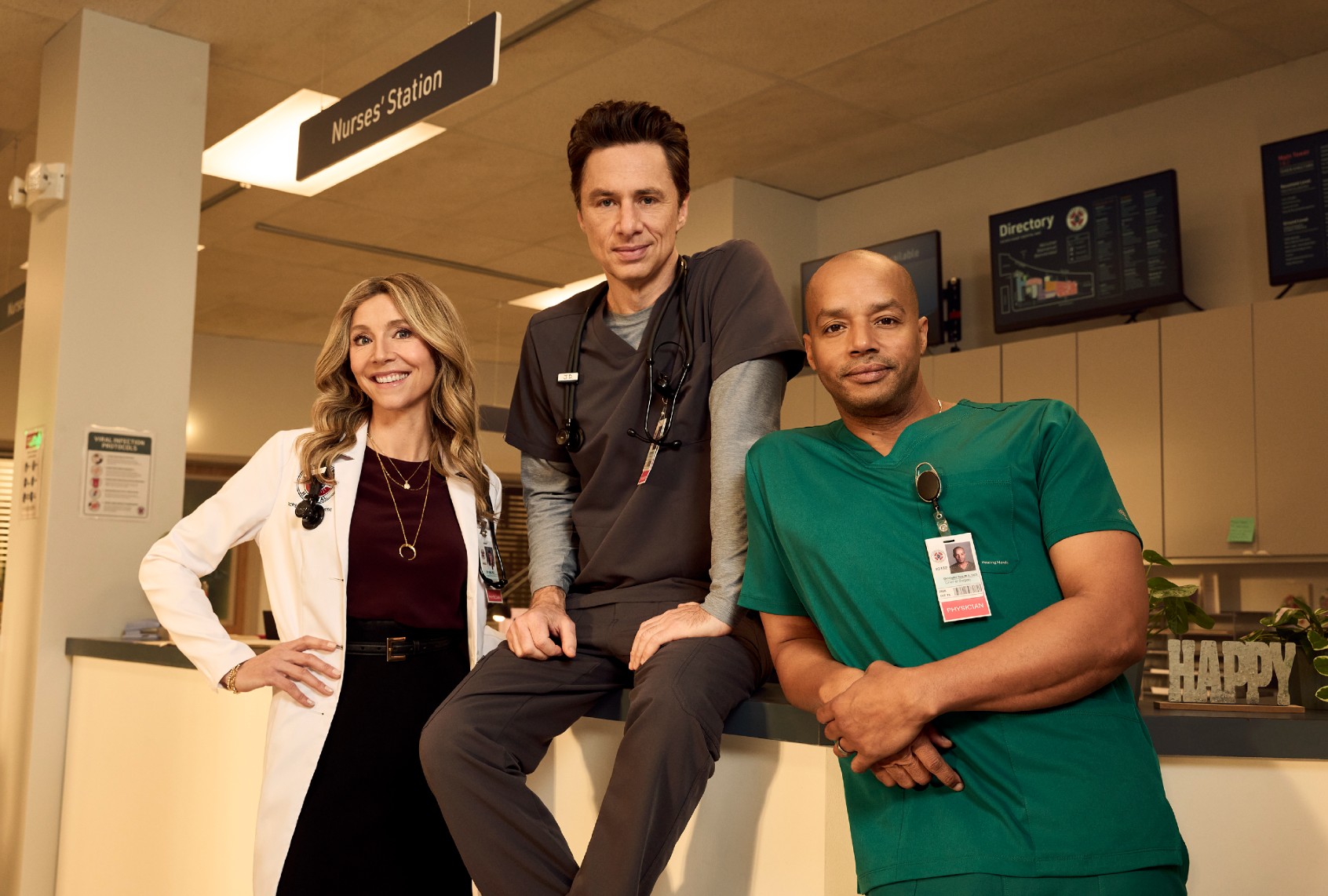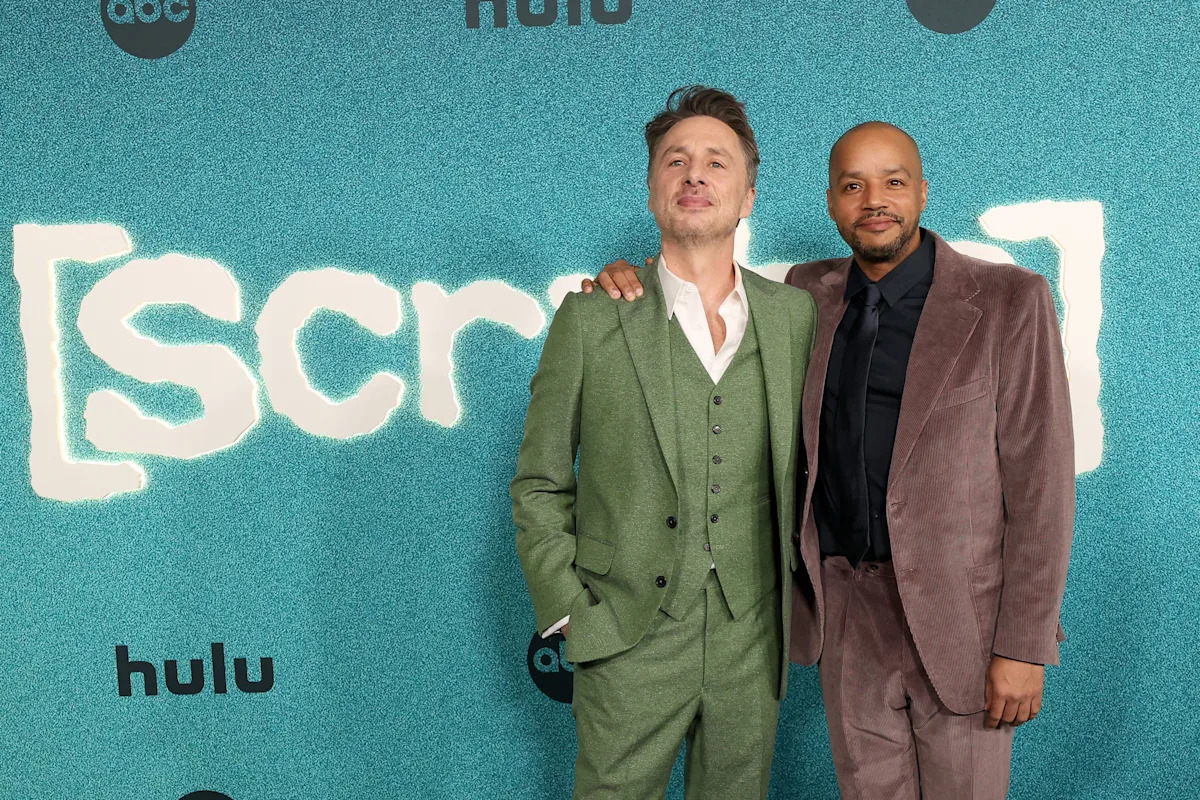
The reintegration of the medical dramedy Scrubs into ABC’s primetime schedule signifies a sophisticated pivot in Disney’s content lifecycle management. Arriving sixteen years after the divisive conclusion of ‘Med School,’ this tenth season functions as a high-stakes litmus test for the longevity of early-2000s intellectual property within a fragmented, post-peak TV environment.
Positioning the series in the 8 PM Wednesday anchor slot reflects an intentional effort to capture multi-generational viewership. By capitalizing on the persistent cultural relevance of Zach Braff and Donald Faison, ABC is leveraging established brand equity to mitigate the inherent financial risks of high-budget linear production.
Market Validation and the De-risking Pipeline
The transition from the Fake Doctors, Real Friends podcast and targeted T-Mobile commercial spots to a full series order illustrates a modern model for IP resuscitation. This sequence provided a low-cost environment to verify consumer engagement before committing significant capital. Braff’s surprise at the project’s scale—expecting a feature film rather than a flagship series—underscores ABC’s aggressive strategy to maximize the reach of known quantities over unproven original concepts.
By elevating Scrubs to a primetime priority, the network seeks to stabilize its broadcast hour with a property that possesses a robust digital footprint. The revival serves as a strategic bridge, utilizing linear broadcasting to drive traffic toward the complete eight-season library currently optimized for Hulu’s retention metrics.
Narrative Dissonance: The Burnout Arc
The revival’s primary creative friction lies in its attempt to reconcile slapstick roots with the grim realities of the 2026 healthcare landscape. The character of Dr. Christopher Turk serves as the narrative’s anchor, portrayed as a mid-career professional grappling with systemic burnout and physical deterioration. His ‘Dr. Bummer’ moniker among interns acts as a meta-commentary on the isolation of senior medical staff in high-pressure institutional environments.
This pivot toward cynical realism creates a stark contrast with J.D.’s refusal to acknowledge the passage of time. The tension between the ‘Eagle’ flights of the past and the surgical realities of the present defines the show’s struggle to establish a coherent modern tone. This ‘cognitive dissonance’ suggests that while the brand remains popular, its original comedic syntax may struggle to translate into contemporary cultural sensibilities.
Institutional Redemption and the Shadow of Season 9
Structurally, Season 10 is designed as a corrective measure for the franchise’s brand prestige, which was significantly diluted during the 2009-2010 experimental ‘Med School’ run. Donald Faison’s candid public reflection on past creative failures indicates a conscious effort by the production team to return to the traditional hospital setting—an ‘institutional retreat’ to the NBC-era alchemy that first established the show’s cultural footprint.
This redemptive framing suggests Disney views Scrubs as a long-term asset requiring a definitive, high-quality conclusion to maintain its value as a perpetual ‘comfort watch’ in the streaming catalog. A successful rehabilitation of the series’ reputation ensures its continued profitability as evergreen content, even if the broadcast ratings remain modest.
Conclusion: The Viability of Legacy IP
Ultimately, the return to Sacred Heart is an experiment in brand elasticity. The success of the revival will be determined by its ability to evolve beyond nostalgia and offer a meaningful exploration of aging and institutional fatigue. If ABC can bridge the gap between immature affectations and mature narrative stakes, it will provide a roadmap for the survival of legacy comedies in a market increasingly hostile to original programming.