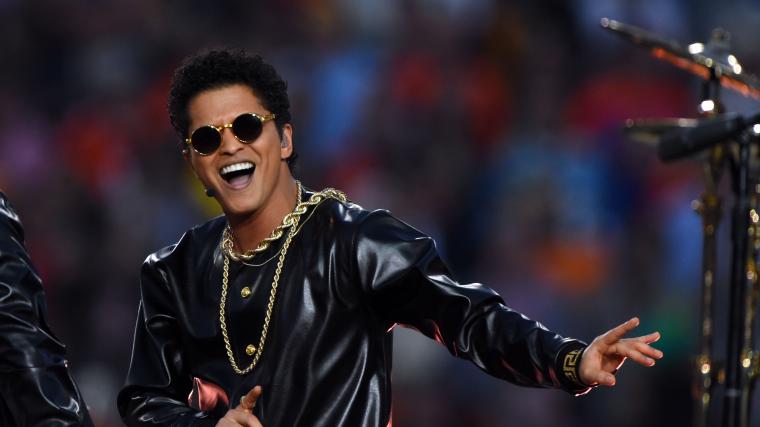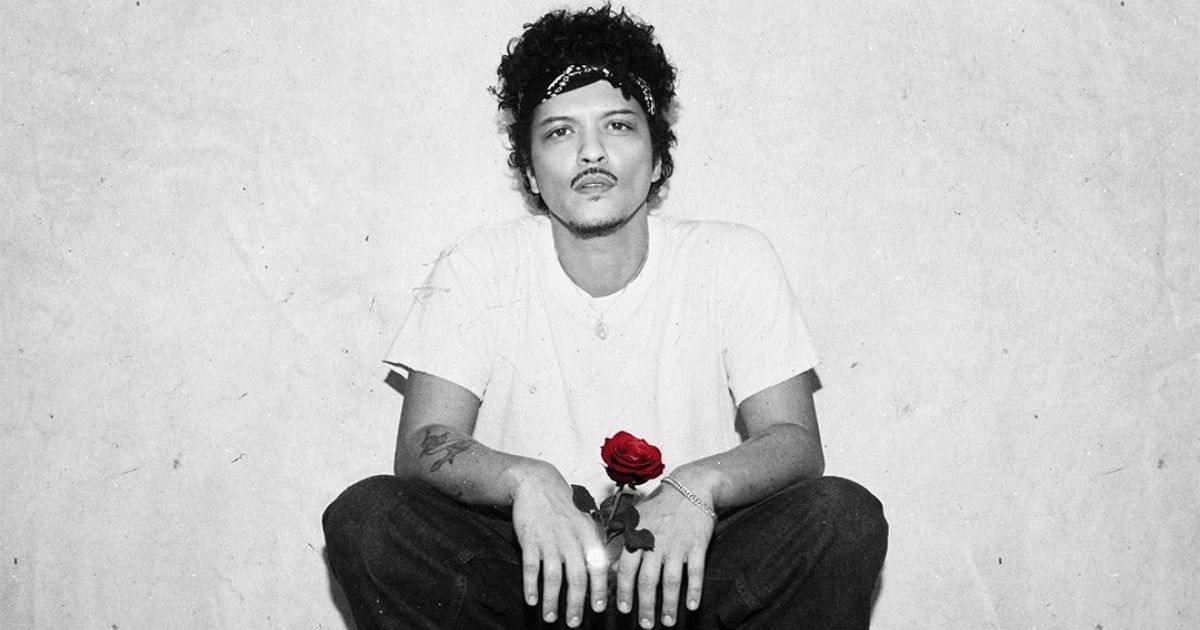
The announcement of Bruno Mars’ “The Romantic” Tour, tethered to the eponymous album release on February 27, 2026, marks a critical inflection point for the global live entertainment sector. This strategic re-entry concludes a decade-long hiatus since the highly successful “24K Magic” Tour (2016), immediately recalibrating performance expectations for premium artist catalogs and secondary ticketing market valuations.
Strategic Synchronization: Album as Catalyst for Touring Infrastructure
The decision to sequence the album drop immediately before the initial May 2026 residency in Toronto is a calculated move to maximize initial sales velocity. The new album serves as the necessary catalyst to reactivate Mars’ complex touring apparatus, requiring substantial lead time for production staging, venue procurement, and regulatory compliance.
By linking fresh, high-demand material to the existing catalog familiarity, the strategy optimizes revenue capture across both album sales and high-yield ticket sales. Key collaborations, including Leon Thomas and Anderson .Paak (as DJ Pee .Wee), function as endorsements that broaden initial market penetration by leveraging adjacent fan bases, thereby reducing overall marketing friction.
Catalog Leverage and Commercial Benchmarks
The commercial success of the preceding “24K Magic” Tour, validated by a Grammy win, establishes a definitive benchmark. The inherent strength of Mars’ catalog (e.g., “Uptown Funk”) provides an immediate, high-yield baseline for ticket pricing, insulating the tour from potential volatility related to the new album’s critical reception.
Confirmed major North American dates, such as the September 5, 2026, Foxborough date at Gillette Stadium and the five-night Toronto residency, confirm a phased rollout targeting high-capacity hubs. This pacing suggests deliberate management of initial demand spikes to optimize venue utilization.
Operational Dynamics: Managing Hyper-Demand and Scalping Mitigation
The documented high anticipation, fueled by intense digital dissection, creates significant operational challenges for ticketing partners concerning equitable access and mitigating organized scalping. Primary ticket acquisition links suggest an effort to channel demand, but the historical sell-out velocity necessitates robust anti-botting measures and dynamic pricing models to capture full economic surplus.
Secondary Market Exposure and Brand Management
The clear fan focus on secondary market acquisition signals immediate inflation in resale valuations. While high resale pricing confirms robust demand, uncontrolled secondary markets risk alienating core fan segments. This pressures promoters to manage public perception, either through inventory release or dynamic price adjustments for future tiers.
The ten-year gap amplifies the scarcity premium. This pent-up demand is projected to translate into higher Average Ticket Yields (ATY) compared to tours from artists with more frequent performance cycles. The supporting lineup, featuring Victoria Monet and Raye on select dates, adds significant complexity to logistical synchronization across differing artist riders and stage changeovers, impacting overall profitability margins.
Institutional Response and Media Fragmentation
The information dissemination across specialized aggregators and fan forums highlights a fragmented media environment. Official announcements must now compete directly with grassroots intelligence, forcing legacy media to rapidly validate fan-sourced data. Marketing leverages network effects, treating immediate fan engagement on platforms like TikTok and Reddit as a leading indicator of commercial viability.
For venue operators, securing a stadium date represents a crucial Q3/Q4 2026 revenue anchor, often involving complex revenue-sharing agreements and capital expenditure commitments for necessary infrastructure upgrades.
Historical Continuity and Artistic Evolution
The thematic shift implied by “The Romantic” necessitates a strategic re-evaluation of stage production to maintain continuity with the high production standard set by the Grammy-winning predecessor, while signaling artistic progression. The selection of collaborators reinforces Mars’ positioning not merely as a legacy act, but as an active participant in the contemporary R&B ecosystem, mitigating risks associated with perceived artistic stagnation.
Financial Velocity and Capital Deployment Requirements
A global tour following a decade-long absence demands substantial upfront capital for logistics, insurance, and production advances, creating immediate financial structuring pressures between management and promoters. Anticipated high gross revenue projections, supported by Mars’ proven draw, ensure ready financing, likely structured via pre-sale agreements guaranteeing minimum performance thresholds.
Impact on Touring Infrastructure Strain
The concentrated scheduling (May through September 2026) places significant strain on the finite pool of specialized touring technicians and engineers capable of executing high-fidelity stadium productions. This peak demand period can elevate labor costs and increase logistical risk, mandating proactive contract negotiation for key personnel.
The reliance on stadium venues (e.g., Foxborough) dictates specific infrastructural capabilities for load-in/load-out efficiency and security protocol coordination with municipal authorities months in advance.
The Cultural Resonance and Market Signaling of ‘The Romantic’
The thematic naming suggests a deliberate pivot toward emotional depth, contrasting with the celebratory tone of “24K Magic.” This shapes media narrative framing, shifting focus from spectacle to lyrical content. The success hinges on resonating with the younger, digitally engaged demographic while satisfying the core audience that supported the previous Grammy output.
Anticipation, Scarcity, and Sector Influence
The intense fan speculation acts as a powerful market signal, validating the premium segment’s lucrativeness and potentially accelerating return timelines for other established acts. The entire rollout is a masterclass in managing scarcity in the post-pandemic live market, where perceived event value has risen demonstrably.
The strategic deployment of supporting acts (Thomas, .Paak, Monet, Raye) cross-pollinates fan bases, justifying premium pricing by increasing the overall entertainment value per ticket dollar. This structure ensures sustained demand for the established repertoire, providing a robust revenue floor irrespective of immediate new material reception. The structural significance lies in confirming that strategic scarcity is a potent tool for maximizing artist earnings in the current media landscape.