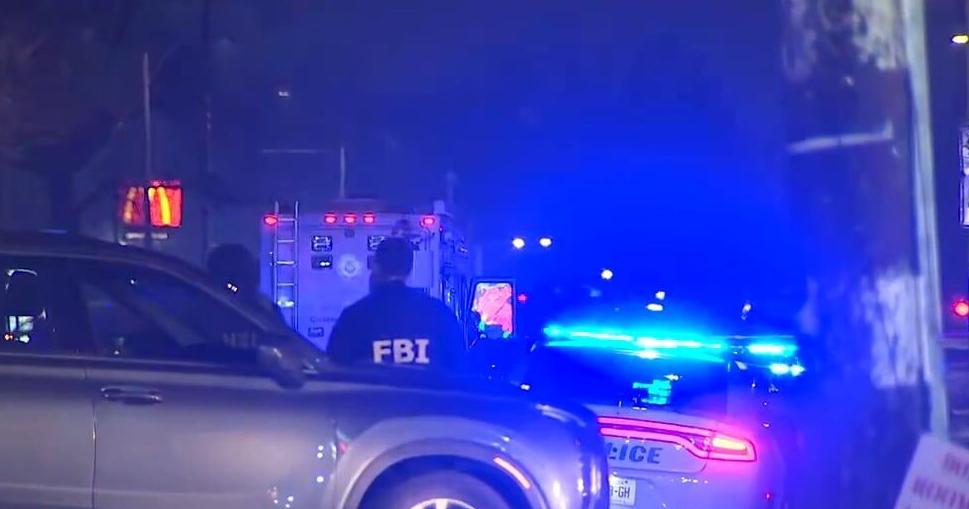
The critical injury of a Memphis Police Department (MPD) officer in the Parkway Village sector has precipitated a multi-layered operational response, revealing the intricate logistical frameworks required for urban law enforcement crises. The incident, localized near the Perkins Road and Aloha Avenue intersection, necessitated immediate interagency synchronization to establish a secure perimeter and prioritize emergency medical transit. This mobilization serves as a case study in high-intensity resource allocation during personnel-involved casualties.
Tactical Cordon and Environmental Control
The implementation of an expansive lockdown within the Parkway Village vicinity reflects a strategic prioritization of containment over residential mobility. By enforcing a sterile environment through the closure of South Perkins Road near Cottonwood Road, the MPD established the necessary conditions for forensic preservation and tactical interdiction. Such environmental control is a foundational doctrine in fugitive recovery, designed to mitigate secondary kinetic risks while constricting the suspect’s maneuverability within the initial search radius.
Furthermore, the temporary closure of the I-240 corridor—a primary logistical artery for the Mid-South—demonstrates the tactical prioritization of emergency medical transit. This rare intervention transformed a public thoroughfare into a dedicated life-safety bypass for transport to Regional One Health. This decision represents a calculated administrative trade-off: the immediate stabilization of an officer outweighed the systemic disruption of regional transit flow.
Institutional Saturation at Regional One Health
The concentration of law enforcement assets at Regional One Health serves critical functions beyond symbolic solidarity. In the immediate aftermath of an officer-involved shooting, medical facilities are reclassified as secondary command posts. This security saturation ensures a secure chain of custody for biological and physical evidence recovered during emergency procedures and provides a deterrent against potential secondary aggression. This operational posture tests the department’s ability to maintain a high-density presence at a medical hub while simultaneously managing an active, fluid crime scene.
Jurisdictional Triggers and TBI Procedural Status
The current absence of the Tennessee Bureau of Investigation (TBI) from the primary investigation offers insight into the case’s administrative status. Per standard protocol, TBI involvement is typically contingent upon a request from the District Attorney General, often triggered by the use of deadly force by an officer. The present jurisdictional control by MPD internal units suggests that the investigation is currently focused on the initial fugitive recovery phase rather than a formal review of police-conducted lethal force. A transition to TBI oversight would signal an administrative shift toward an independent criminal and procedural audit of the incident’s circumstances.
The Blue Alert Framework: Technological Interdiction
The activation of the Blue Alert system represents a policy-level commitment to utilizing mass communication infrastructure for fugitive apprehension. By leveraging the same technological stack as AMBER Alerts, the state shifts the burden of surveillance from law enforcement to the general public. This systemic response is designed to shrink the fugitive’s operational environment, using real-time data dissemination to increase the probability of a tip-driven capture. It underscores the integration of legislative mandates and telecommunications in modern public safety policy.
Institutional Communication and Morale Management
Discrepancies in initial reports concerning the officer’s condition—ranging from ‘fighting for life’ to ‘stable’—highlight the challenges of crisis communication. Departmental leadership must balance medical privacy with the need for institutional transparency. Inconsistent narratives can impact internal morale and public perception; therefore, the eventual stabilization of information around a ‘critical but stable’ status is a necessary step in managing stakeholder expectations and maintaining public confidence during an ongoing manhunt.
Municipal Governance and Public Safety Policy
The involvement of the Memphis City Council, notably statements from Councilman JB Smiley, underscores the intersection of tactical incidents and municipal policy. High-profile shootings inevitably influence discourse regarding law enforcement appropriations, community resources, and the social contract. This legislative oversight ensures that the operational response remains aligned with broader civic interests and provides a platform for addressing the underlying socio-economic conditions that contribute to urban violence.
Strategic Implications for Fugitive Recovery
As the search transitions from a ‘hot’ pursuit to a sustained investigative phase, the MPD’s organizational depth is tested. The suspect’s continued evasion suggests a high degree of mobility or an existing support network within the urban grid. Future operations will likely pivot from physical saturation to intelligence-led policing, utilizing digital forensics and community-sourced intelligence to achieve apprehension while minimizing further disruption to the Parkway Village residential hub.