
High-Stakes Performances: Navigating Tradition and Artistic Interpretation at the 2026 MLB All-Star Game
The 2026 Major League Baseball All-Star Game in Philadelphia, coinciding with the nation’s 250th birthday, presented a unique confluence of sport, national identity, and cultural celebration. This heightened patriotic context amplified scrutiny on ceremonial performances, particularly the rendition of national anthems, underscoring the delicate balance event organizers must strike between honoring tradition and embracing artistic expression.
The strategic selection of musical artists for such a prominent occasion carries significant implications for brand perception, fan engagement, and the overarching narrative of the event. These choices are crucial for an organization like MLB, aiming to resonate with diverse audiences while upholding institutional values.
Patti LaBelle’s Rendition: The Perils of Unconventional Interpretation
Legendary R&B singer Patti LaBelle, an 82-year-old two-time Grammy winner and Philadelphia native, was tasked with performing ‘The Star-Spangled Banner.’ Her presence in her hometown, a mere five miles from Independence Hall, was intended as a tribute to local heritage and her enduring musical legacy. However, LaBelle’s performance quickly ignited widespread public criticism.
Reports indicated perceived omissions of words and an extended duration, leading to immediate and intense backlash across social media. Audiences on platforms like X labeled the performance as ‘horrible’ and ‘completely disrespectful,’ arguing against what they viewed as an inappropriate artistic interpretation of a culturally sacrosanct song. This response highlights deeply ingrained cultural expectations for a solemn and traditional presentation of the national anthem at public events, particularly those imbued with strong patriotic symbolism.
The incident underscores the inherent brand risk associated with live, high-profile vocal performances, where even seasoned artists can encounter unexpected challenges. For event organizers, balancing the desire to celebrate iconic figures with the imperative to meet audience expectations for a reverent delivery becomes a critical strategic consideration. The operational complexities, from sound engineering to real-time execution, are immediately amplified by the event’s scale and broadcast reach.
Jennifer Hudson’s Success: Validating Strategic Talent Selection
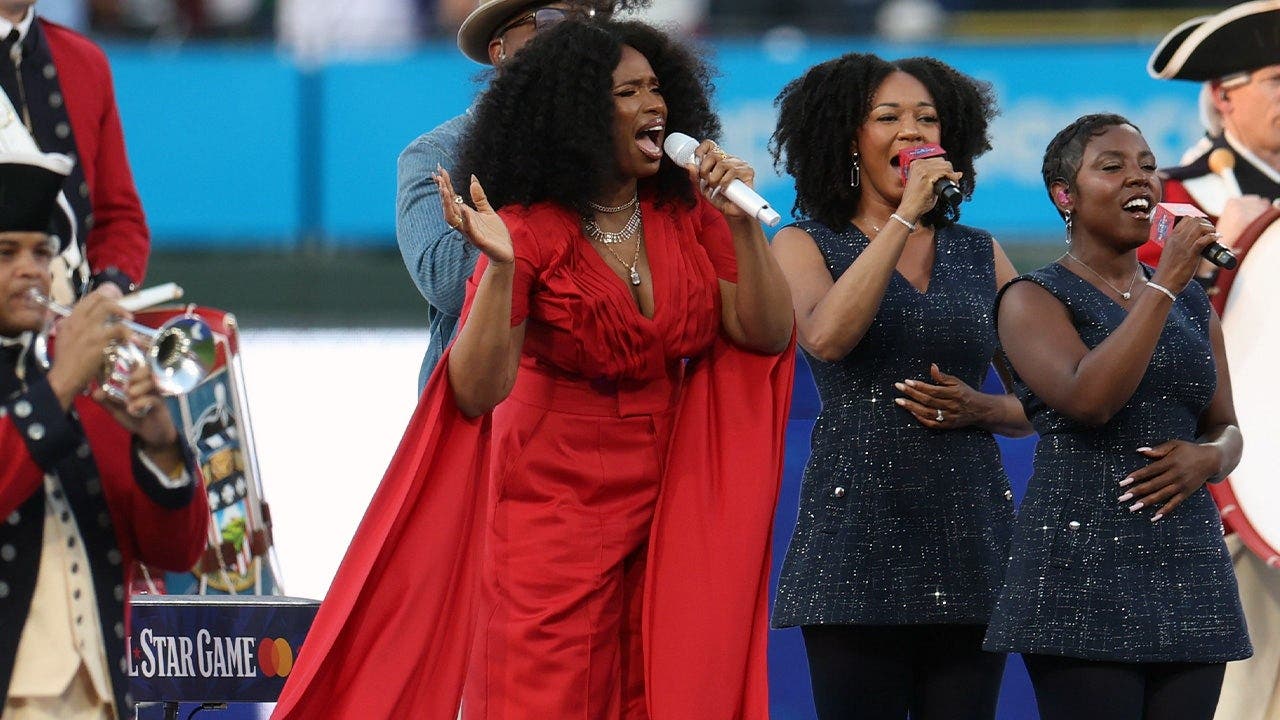
In stark contrast, Jennifer Hudson delivered a universally acclaimed rendition of ‘God Bless America’ at the same event. Her performance was lauded for its power and emotional resonance, garnering overwhelmingly positive social media reactions that aligned seamlessly with audience expectations. This success exemplifies the strategic value of consistent, high-quality live performance in reinforcing an artist’s brand and securing future high-profile engagements.
Hudson’s agent notably leveraged this success to secure ‘one heck of a week of singin’ gigs,’ culminating in her involvement in the FIFA World Cup Final ceremony. This illustrates the significant commercial and reputational leverage gained from a successful public appearance, validating strategic investment in artists known for their vocal prowess and broad audience appeal. The juxtaposition of LaBelle’s and Hudson’s receptions offers a compelling case study in the critical role of talent selection and performance management for large-scale national events.
The Amplifying Influence of Social Media on Public Discourse and Brand Reputation
The disparate public reactions to both performances underscore the pervasive influence of social media platforms. These digital channels function as real-time barometers of public sentiment, instantaneously amplifying both praise and criticism globally. Social media’s capacity for rapid dissemination means any perceived misstep or triumph can quickly dominate the event narrative, posing both challenges and opportunities for artists and event organizers.
The unfiltered nature of online discourse bypasses traditional media gatekeepers, allowing individual fan reactions to coalesce into a powerful collective voice. This necessitates a proactive approach to public relations and reputation management, as initial viral content can have a prolonged impact, shaping subsequent media coverage and the event’s digital legacy. For MLB, managing such incidents requires swift assessment of public sentiment to mitigate potential reputational damage and redirect focus back to the athletic competition.
Institutional Expectations and the Cultural Semiotics of Patriotic Anthems
‘The Star-Spangled Banner’ and ‘God Bless America’ hold unique institutional and cultural significance in American public life, particularly at sporting events. These anthems transcend mere entertainment, functioning as powerful symbols of national unity, remembrance, and shared identity. The expectation for a traditional and respectful rendition is deeply embedded in American culture; any perceived deviation, such as altered lyrics or extended duration, can be interpreted as a lack of reverence, triggering strong emotional responses.
The context of the nation’s 250th birthday intensified these cultural sensitivities, placing greater emphasis on performances that honored historical traditions. This heightened patriotic atmosphere meant artistic interpretation was often weighed against the perceived sanctity of the songs. Major League Baseball, as a quintessential American institution, is inherently intertwined with these national symbols, making its strategic decisions regarding anthem performers not merely entertainment choices, but statements reflecting its alignment with national values and understanding of audience expectations.
Strategic Imperatives for Future Event Programming and Risk Management
The contrasting outcomes at the 2026 MLB All-Star Game offer invaluable strategic insights for future event programming and talent acquisition. Organizations must meticulously weigh the benefits of featuring legendary artists against the potential risks inherent in live, high-stakes performances. A key strategic imperative involves understanding the nuanced expectations for different patriotic songs: ‘God Bless America’ might accommodate more artistic flourish, whereas ‘The Star-Spangled Banner’ typically demands a more traditional and solemn delivery, especially during periods of national observance.
Furthermore, this case study highlights the importance of robust risk assessment in talent selection, considering not only an artist’s past achievements but also their current performance capabilities, stylistic inclinations, and the specific context of the event. Such due diligence is crucial for mitigating potential public relations challenges and safeguarding brand equity. Beyond immediate event revenue, these performances impact long-term brand partnerships and broadcast viewership. A consistently positive fan experience, encompassing ceremonial elements, contributes significantly to the overall value proposition for sponsors and media rights holders.
Ultimately, the 2026 MLB All-Star Game anthem performances serve as a compelling reminder that cultural presentations at major national events are complex undertakings, subject to intense public scrutiny and immediate digital judgment. Strategic planning must encompass not only artistic merit but also a profound understanding of institutional expectations, cultural semiotics, and the powerful, dynamic forces of contemporary media and public opinion.