
Meteorological Context: Residual Kinetic Energy and Coastal Inundation
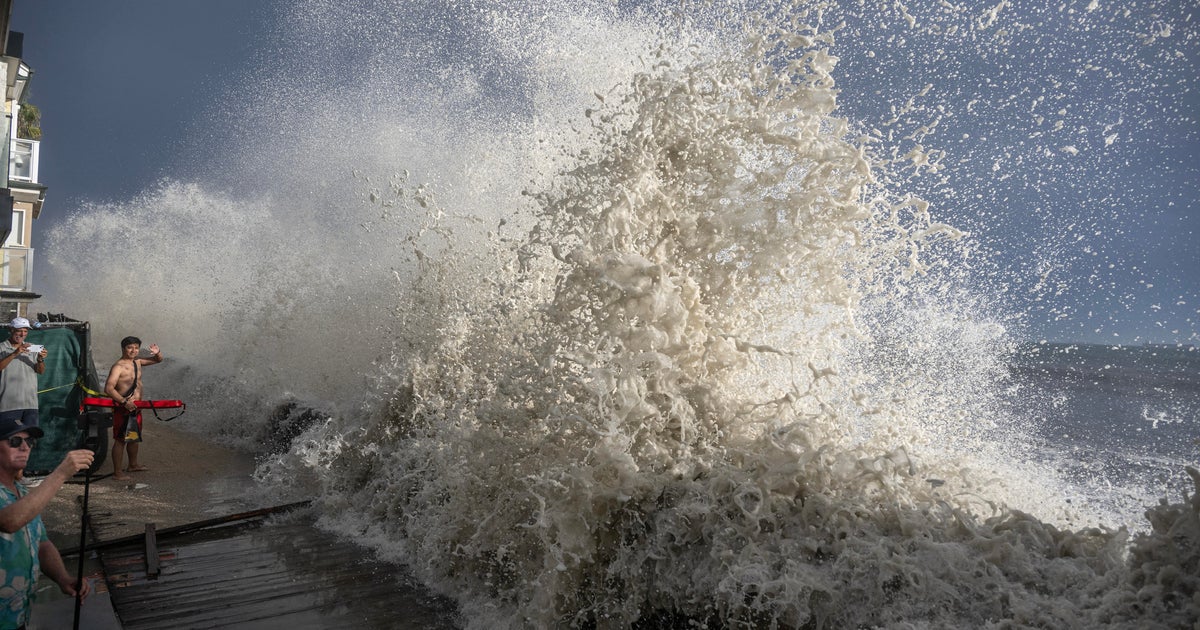
During the Labor Day weekend, Southern California’s coastal geography faced a significant test of resilience as the residual energy from Tropical Storm Marie—formerly a Category 5 hurricane—manifested as high-energy, long-period swells. While the system had been downgraded and remained hundreds of miles offshore, its hydrodynamic impact was decoupled from local wind patterns, creating a severe coastal flooding event despite inland drying trends across Orange and Riverside counties.
Infrastructure Stress Test: The Long Beach Case Study
The Peninsula in Long Beach served as a primary site of infrastructure failure. Protective sand berms, designed to mitigate seasonal tidal variance, were overwhelmed by the sheer volume and velocity of the incoming surge. This ‘overwash’ event resulted in direct inundation of residential zones, specifically around 67th Place and Ocean Boulevard. The failure of these passive defenses necessitated the rapid deployment of active mitigation tools, including industrial-grade pumps, to manage standing water and prevent structural erosion of roadbeds.
Operational Synchronicity and Emergency Protocols
The event highlighted the critical dependency between the National Weather Service (NWS) predictive modeling and local tactical responses. The NWS Coastal Flood Advisory provided the necessary lead time for the Long Beach Fire Department and lifeguards to transition from routine holiday monitoring to active crisis management. This included the strategic evacuation of boardwalks and the implementation of heavy machinery to reinforce breached shorelines—a process that underscored the high cost of reactive coastal defense.
Socio-Economic Disruptions and Policy Implications
The timing of the swell coincided with one of the region’s highest-traffic holiday weekends, amplifying the economic impact. Local beach-dependent businesses faced immediate revenue loss due to closures and restricted access, while municipalities incurred significant labor costs for post-event debris removal and sediment management. From a policy perspective, Marie’s impact suggests that current coastal management frameworks may need to account for ‘distant-source’ swells with the same rigor as local storm surges, necessitating a re-evaluation of berm heights and seawall integrity.
Strategic Conclusion: Enhancing Coastal Resilience
The 2014 Marie event serves as a benchmark for Southern California’s emergency preparedness. It demonstrated that even a weakening tropical system can destabilize coastal zones through far-field wave propagation. Future resilience strategies must integrate advanced hydrodynamic modeling with more robust physical barriers to safeguard against the increasing frequency of extreme oceanographic events, ensuring the long-term sustainability of California’s multi-billion dollar coastal economy.

Photo by gangim on Pixabay.