Major League Soccer management has entered a phase of high-stakes optimization as franchises navigate the intersection of immediate tactical needs and long-term fiscal sustainability. Front offices are increasingly leveraging late-season roster windows to mitigate performance deficits, a strategy exemplified by the recent maneuvers of the LA Galaxy and the New England Revolution. These adjustments highlight the volatile nature of professional soccer operations within a salary-capped ecosystem.
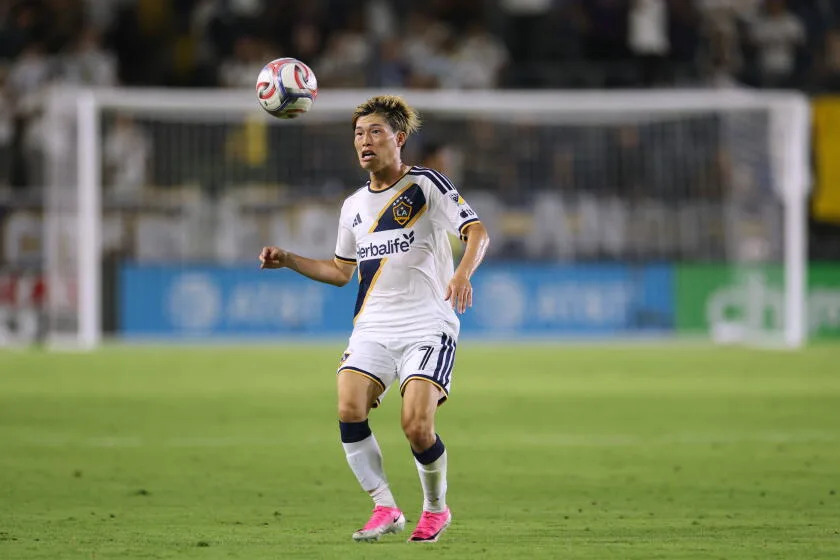
Confronting a critical performance plateau in the second half of the season, the LA Galaxy executed a series of aggressive personnel interventions designed to stabilize their postseason trajectory. By integrating high-impact talent into the active roster—headlined by international veteran Marco Reus and the emergence of Gabriel Pec—the organization signaled a departure from historical stagnation toward a high-variance tactical model. This shift underscores the immense institutional pressure to secure playoff qualification in a market where brand equity is inextricably linked to tournament success.
The Galaxy’s tactical pivot yielded immediate dividends in their competitive standings, yet questions remain regarding the timing of these acquisitions. General Manager Will Kuntz faces the challenge of harmonizing disparate profiles under extreme time constraints. With only a fraction of the regular season remaining, the club must reconcile its heavy capital deployment with the structural risk of missing the postseason for a fifth time in seven years, an outcome that would significantly impact sponsorship yields and gate revenues in the Los Angeles media market.
Competitive Cohesion and Tactical Defensive Metrics
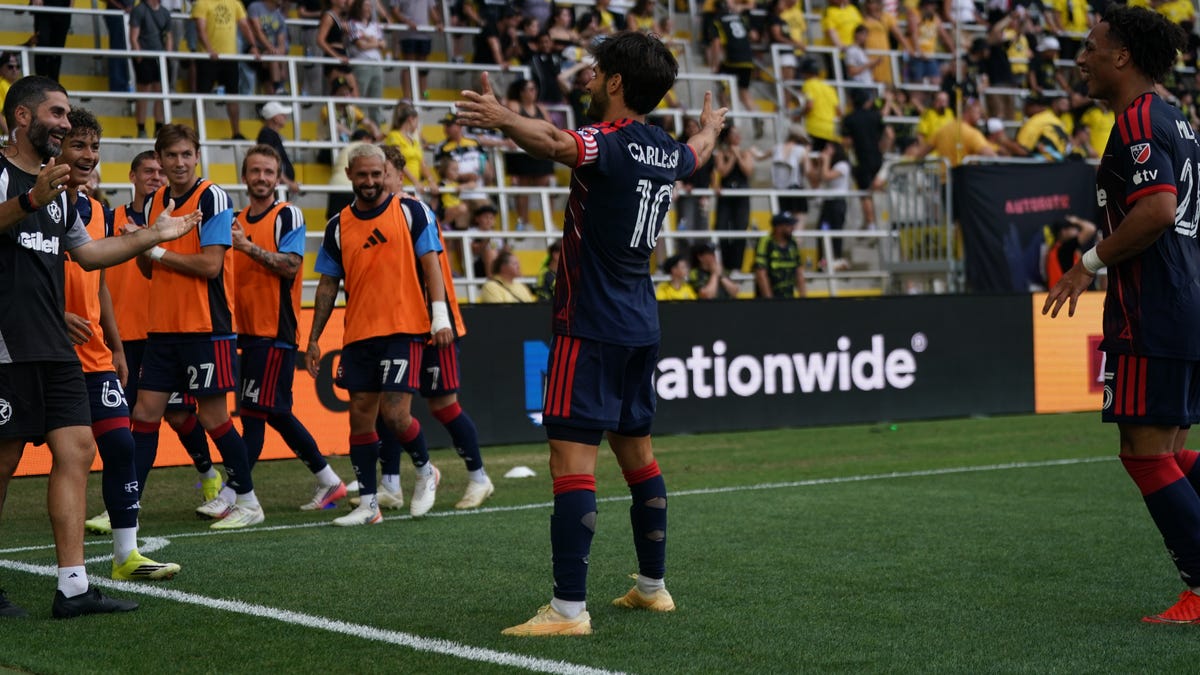
In contrast to the Galaxy’s overhaul, the New England Revolution have sought competitive leverage through defensive consolidation and localized leadership. Despite a season characterized by inconsistency, the Revolution have maintained a robust defensive posture, ranking among the top units in the Eastern Conference for goals against. This resilience is anchored by Carles Gil, whose 150+ career goal involvements provide a necessary offensive pivot for a side navigating a demanding cross-country schedule.
Operational complexity has peaked as teams manage the logistical rigors of inter-conference travel. The Revolution’s recent California fixtures—the first in several seasons—placed unprecedented demands on the club’s medical and sports science departments. Mitigating player fatigue across disparate time zones has emerged as a silent determinant of performance variance, directly influencing the club’s ability to maintain its standing in a crowded Eastern Conference table.
Digital Infrastructure and Commercial Distribution
The commercial delivery of these matches reflects the broader evolution of sports media rights. The exclusivity of the MLS Season Pass on Apple TV has centralized viewership data, providing the league with granular metrics essential for future valuation. This digital-first ecosystem, supplemented by localized radio partners like 98.5 The Sports Hub, creates a multi-channel touchpoint that bridges traditional demographic segments with a global streaming audience.
As the regular season reaches its zenith, the synergy between on-field results and digital engagement will dictate the commercial momentum for the upcoming cycle. For franchises like the Galaxy and Revolution, every fixture serves as a high-stakes proof of concept for the league’s centralized media model, where competitive parity and narrative-driven content drive subscriber retention and global brand expansion.