The 2026 Liquidity Event: Inventory as a Liability
The 2026 Labor Day sales cycle functions as a critical inflection point for global retailers, serving as the primary mechanism for inventory liquidation before the Q4 peak. Market data reveals a structural shift toward aggressive price-slashing—reaching 75% in some sectors—not merely as a promotional tool, but as a necessity to clear stagnant summer stock. This period allow conglomerates like Amazon and Walmart to optimize logistical throughput, converting physical liabilities into the cash reserves required for holiday procurement.
Sophisticated consumers are navigating a landscape defined by the divergence of routine markdowns and high-equity entries. Analysts identify the current window as uniquely aggressive; brands are front-loading discounts to secure consumer commitments amidst rising operational expenses. The overlap of academic demand and the launch of major professional sports seasons (NFL/NHL) creates a high-velocity environment where price elasticity is tested to its limit.
Premium Brand Equity and Tactical Devaluation
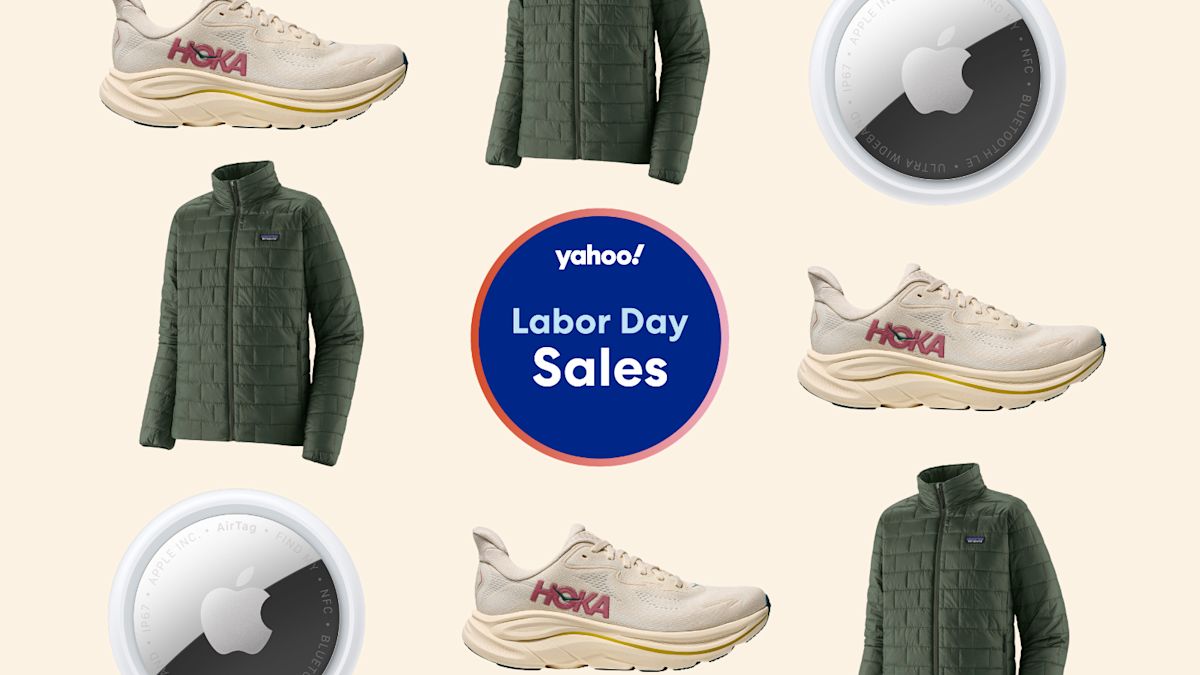
The participation of tier-one brands like Patagonia and Hoka underscores a tactical evolution in seasonal transitions. The Patagonia Men’s Nano Puff Jacket, priced at $160 (a 30% reduction from the $229 baseline), represents a controlled release of inventory. This move maintains brand prestige while capturing price-sensitive segments. Such events are calculated interventions designed to prevent brand erosion while addressing a saturation in the premium outdoor market.
Hoka’s strategic pricing for the Women’s Arahi 8 ($120) follows a similar institutional logic. By discounting flagship models, the brand flushes current stock to make room for next-generation innovation cycles without resorting to the destructive fire-sale tactics seen in mass-market footwear. This allows for a clean transition to autumn utility gear, which remains a primary driver for retailers like REI looking to sustain engagement through the hiking and camping transition.
Tech Sector Macro-Dynamics: Ecosystem Lock-In
The 2026 technology sector faces a paradox: rising component costs against a backdrop of necessary holiday discounting. The Apple iPad Air (M4 chip) serves as a benchmark for this cycle, utilizing Labor Day to solidify market share among professional and academic demographics before the late-year hardware refresh. This is a defensive maneuver to secure user loyalty before competitors launch Q4 alternatives.
Apple’s peripheral strategy—specifically the AirTag 4-Pack at a record $80—highlights the ‘ecosystem acquisition’ model. By lowering the financial barrier to entry for tracking hardware, the company increases the lifetime value of the customer within its proprietary network. Meanwhile, in the 4K TV and home electronics space, brands like TCL and Ninja are utilizing large-format displays as loss leaders to drive digital traffic, offsetting the impact of rapid technological obsolescence.
Structural Shifts in Home Infrastructure and Consumer Curation
Home goods are undergoing a transition from outdoor leisure to internal climate utility. The 50%+ discounting of patio sets (e.g., Lacoo 3-Piece Set at $70) reflects a prioritization of floor-space recovery over margin retention for bulky assets. Simultaneously, the rise of ‘cozy utility’ products like the Stanley Transit Mug and premium bedding reflects a psychological shift in consumer spending as temperatures fluctuate.
This retail environment is increasingly mediated by digital curation. Professional shopping strategists and affiliate ecosystems now dictate consumer demand by filtering noise into high-value recommendations. This feedback loop informs retailer inventory levels for high-demand items like mock neck sweaters and ergonomic footwear. For brands like Dossier, this translates into high-volume sales of ‘luxury-adjacent’ products, signaling a broader democratization of luxury aesthetics in a value-conscious economy.
Economic Outlook: Leading Indicators for Q4
The 2026 Labor Day performance is a bellwether for the broader domestic economy. Robust consumer spending in the face of inflationary pressure suggests a resilient market; however, the reliance on deep discounts indicates that price sensitivity remains the dominant variable. Retailers that maintain volume without sacrificing long-term brand equity are best positioned for the upcoming fiscal challenges. This weekend is not just a sale—it is a data-driven recalibration of the global value proposition.