USA Dominates China in FIBA World Cup Opener
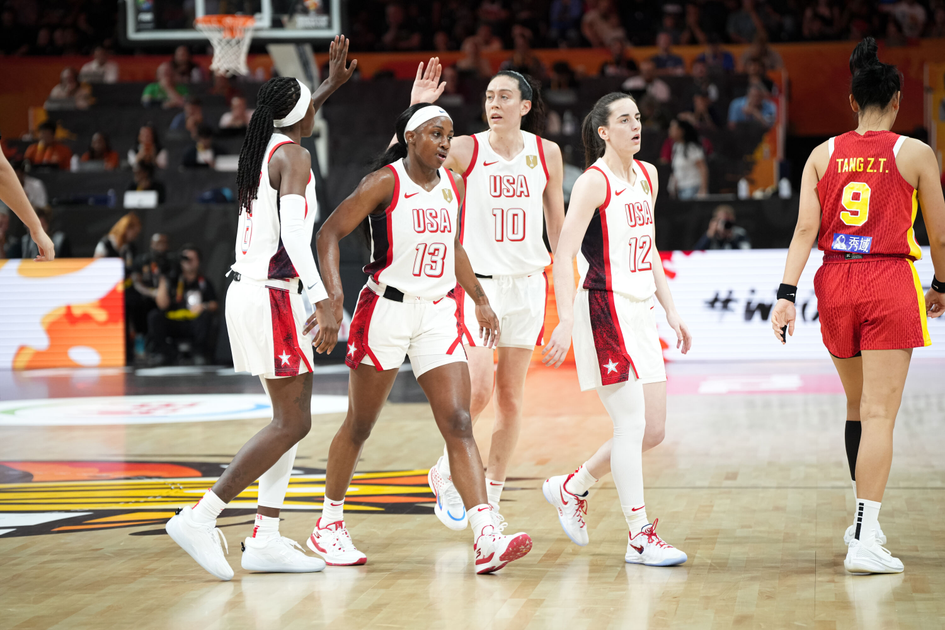
Team USA commenced their 2026 FIBA Women’s World Cup campaign with a resounding 94-61 victory over China, a rematch of the 2022 gold medal game. The performance underscored the team’s formidable strength and strategic depth in navigating the tournament’s early stages.
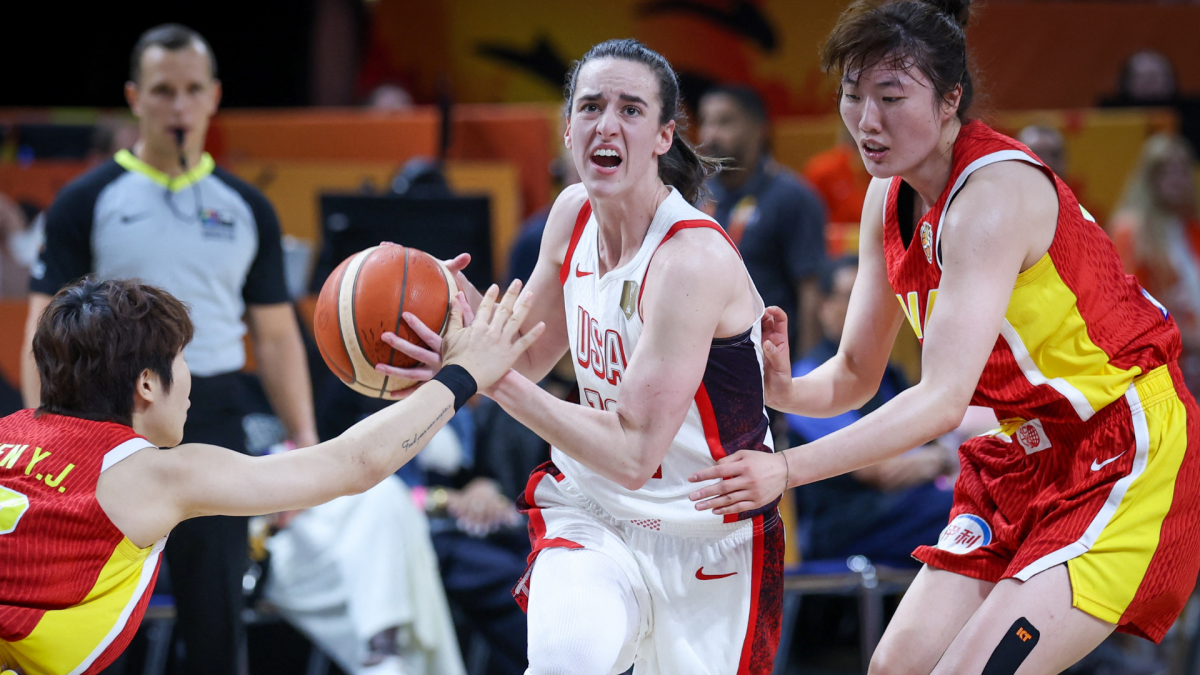
Caitlin Clark, making her senior major tournament debut, delivered significant impact off the bench. Her stat line of 14 points, three rebounds, and a game-high 11 assists, coupled with a game-high plus-30 efficiency rating and zero turnovers, highlights her immediate value and adaptability within the team structure.
Strategic Depth and Role Integration
Clark’s performance, particularly her assist total, demonstrates a key strategic advantage for Team USA: the ability to integrate high-impact players into defined roles that maximize team synergy. Her willingness to embrace a bench role signals a mature team dynamic focused on collective success, a critical factor in high-stakes international competitions.
The inclusion of Clark’s playmaking off the bench provides a distinct tactical option, allowing the U.S. to maintain offensive pressure and exploit defensive mismatches throughout the game. This versatility can disrupt opponents’ game plans and extend leads, as evidenced by the substantial margin of victory.
Performance Leverage and Competitive Positioning
Clark’s efficiency, measured by her plus-30 rating, indicates a significant positive influence on the court. This level of performance leverage, especially in a tournament opener, sets a high benchmark for her contributions and signals to competitors that Team USA possesses multiple avenues for offensive production and defensive control.
Her 11 assists, leading all players, underscore a strategic emphasis on ball movement and creating scoring opportunities for teammates. This playmaking ability complements the scoring prowess of other established players, suggesting a well-rounded offensive strategy designed for difficult defense.
Historical Context and Future Trajectory
Following her MVP performance at the World Cup Qualifying Tournament in March, Clark’s showing against China solidifies her trajectory as a key contributor to the senior national team. FIBA’s designation of Player of the Game further validates her immediate impact and international recognition.
This early success in a marquee matchup against a perennial contender like China provides a strong psychological and competitive advantage, positioning Team USA favorably and reinforcing their status as a dominant force.
Stakeholder Implications and Market Signaling
For basketball federations and fans, Clark’s integration and performance signal the continued evolution of the U.S. women’s national team. Her ability to contribute at a high level suggests a robust talent pipeline and a sustained commitment to excellence, influencing fan engagement and commercial partnerships.
The dominant performance also serves as a market signal within the global women’s basketball ecosystem, reinforcing the perceived strength of U.S. talent and potentially impacting international scouting efforts.
Operational Execution and Tactical Adaptability
The U.S. team’s ability to secure a decisive victory against a team with a history of strong tournament performances points to effective operational execution and tactical adaptability. The coaching staff’s strategy in deploying Clark off the bench suggests a deliberate plan to leverage her strengths at opportune moments, maximizing her impact without disrupting team chemistry.
This strategic deployment of talent, allowing veterans to set the initial tone while introducing a dynamic playmaker like Clark to amplify offensive flow, indicates a sophisticated understanding of game management, enabling adaptation based on game flow and opponent adjustments.
Competitive Landscape and Future Matchups
The 94-61 scoreline against China sets a significant tone for the remainder of the FIBA World Cup, demonstrating the U.S. team’s offensive firepower and defensive resolve.
This dominant opening performance will likely influence how other national teams approach their matchups against the United States, forcing strategic reconsiderations to counter multifaceted threats, including Clark’s dynamic contributions.
Capitalizing on Momentum and Player Development
The early success and positive performance metrics provide valuable momentum for Team USA, crucial for navigating tournament pressures and fostering team cohesion.
Furthermore, the opportunity for players like Clark to perform and excel on the senior international stage is integral to their ongoing development, providing invaluable lessons in high-pressure environments and preparing them for future leadership roles.
Strategic Implications for Global Basketball
The U.S. team’s consistent dominance, bolstered by the impactful debut of players like Clark, highlights the continued strength of American basketball development and its ability to produce world-class talent capable of immediate impact.
This sustained excellence can inspire other nations to invest further in their talent development pathways, contributing to the overall growth and competitiveness of women’s basketball internationally.
Media Exposure and Fan Engagement
The prominent role and successful performance of a player with a significant following like Caitlin Clark amplify media attention and fan engagement for the FIBA World Cup, generating considerable buzz and attracting new audiences.
This increased visibility translates into enhanced commercial opportunities for the tournament, broadcast partners, and the sport itself, underscoring the power of star athletes to drive interest.
Long-Term Ecosystem Leverage
The U.S. team’s sustained success and the integration of new, high-impact talent build long-term leverage within the international basketball ecosystem, reinforcing the U.S. program’s reputation for excellence and consistent winning.
This cycle of success and talent development ensures the U.S. remains a central, influential entity in global basketball, providing a stable platform for continued investment and strategic initiatives.