The $100 million litigation initiated by Stavros Floros against the producers of Survivor Greece represents a significant legal challenge to the operational paradigms of high-stakes reality television. Following a catastrophic maritime accident near Saona Island, Dominican Republic, the lawsuit scrutinizes the intersection of televised survivalism and the fundamental duty of care owed to participants in extreme environments.
Legal filings detail the May 11, 2026, incident where Floros, while engaged in spearfishing, was struck by a tour boat propeller. The plaintiff argues that the show’s structural reliance on food deprivation effectively coerced contestants into hazardous open-water hunting, transforming a voluntary activity into a mandatory game mechanic with inherent, unmitigated risks.
Geographic Foreseeability and Safety Protocol Failures
The core of the negligence claim rests on the selection of Saona Island, an area notorious for heavy maritime tourist traffic. The filing asserts that producers failed to establish exclusionary zones or deploy adequate warning markers to signal the presence of swimmers. This alleged lack of a secured perimeter is exacerbated by claims of prior knowledge; the lawsuit cites previous “close calls” and a historical fatality in the same waters, suggesting that the risks were not only foreseeable but documented.
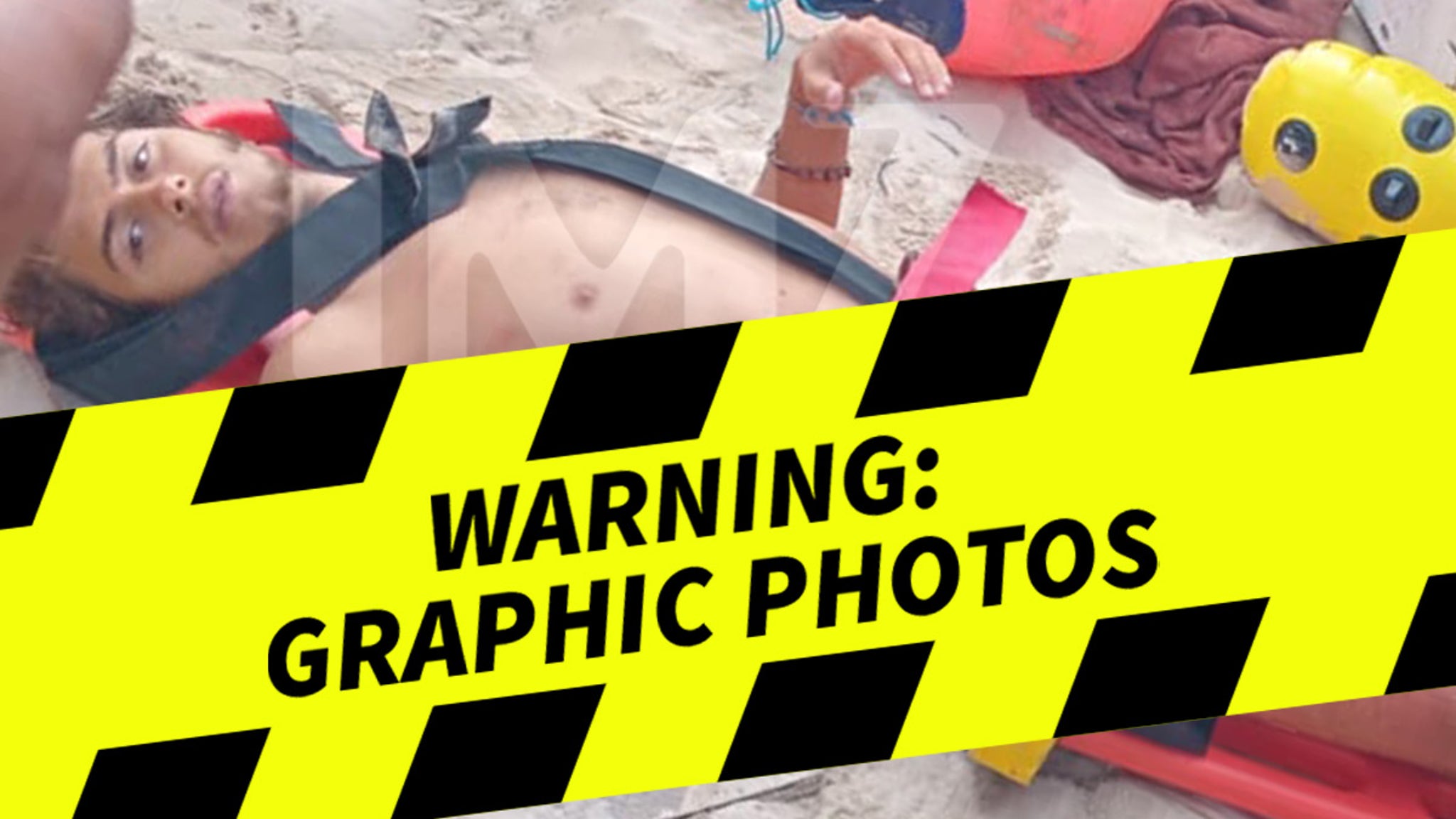
Furthermore, the complaint highlights a critical failure in the production’s emergency response. It alleges that Floros’ life was preserved not by the show’s medical staff, but by a bystander on the tourist vessel who applied a makeshift tourniquet. The absence of dedicated safety spotters or rapid-response maritime units suggests a prioritization of production aesthetics over participant survival.
Economic Exposure and Industry Implications
The $100 million valuation reflects both the life-altering nature of the injury—including the total loss of the left limb—and a demand for punitive damages. This high-stakes claim exerts immediate pressure on the production’s liability insurance and may trigger an industry-wide recalibration of premiums for extreme unscripted formats. Analysts suggest that a ruling in favor of Floros could invalidate standard liability waivers if they are found to be unconscionable in the face of gross negligence.
As Floros continues treatment in Miami, the case introduces complex jurisdictional and international maritime law considerations. The outcome will likely dictate the future of “survival” formats, potentially mandating documented safety perimeters and the elimination of food deprivation as a primary psychological lever, thereby increasing production costs while fundamentally altering the genre’s traditionally “unfiltered” appeal.