

The simultaneous progression of Hurricane Genevieve and Hurricane Fausto through the Pacific basin illustrates a significant divergence in tropical cyclone thermodynamics and its subsequent impact on regional maritime stability. While Genevieve has achieved Category 4 status through rapid intensification (RI), Fausto is undergoing systematic structural degradation as it approaches the Hawaiian archipelago.
Predictive Volatility and Maritime Supply Chain Risk
Genevieve’s ascent to a major hurricane—the season’s first—highlights the limitations of current predictive modeling regarding RI cycles. This acceleration compresses the decision-making window for vessel rerouting and cargo protection, forcing a reassessment of safety margins for trans-Pacific shipping lanes. For institutional stakeholders, including insurance underwriters and maritime operators, this unpredictability necessitates more conservative risk assessment frameworks in the East Pacific theater.
Operational costs associated with emergency adjustments increase exponentially when storms exceed intensity expectations. These fluctuations often manifest as significant fuel surcharges and downstream delivery delays, placing a premium on real-time atmospheric data integration for global supply chain managers. Genevieve serves as a critical benchmark for seasonal resource allocation, signaling that Pacific thermodynamic conditions are highly conducive to extreme weather events.
Environmental Hostility and Hawaii’s Strategic Buffer
In contrast, Hurricane Fausto is encountering environmental factors that effectively neutralize its destructive potential. The FOX Forecast Center identifies cooler sea-surface temperatures (SSTs) and the intrusion of intensely dry air—dry air entrainment—as the primary catalysts for Fausto’s downgrade to a tropical storm. This environmental hostility acts as a structural buffer for Hawaii, mitigating immediate threats to critical infrastructure and the tourism-dependent economy.
Despite the weakening trend, the persistence of the forecast cone triggers specific institutional protocols. The complexity arises from the interaction between residual moisture and local topography, which can result in localized disruptions regardless of official classification. This scenario allows Hawaiian authorities to evaluate evacuation routes and communication networks under lower-intensity conditions, providing valuable data for future high-intensity threats.
Macroeconomic Context and Institutional Implications
The bifurcated risk environment created by these two systems demands a dual-track strategic focus. While Fausto necessitates a civil defense response, Genevieve requires a focus on international trade routes and maritime safety standards. For reinsurance markets, Genevieve’s rapid intensification may trigger adjustments in catastrophe bond pricing and risk premiums for the remainder of the season.
The Atlantic’s current inactivity, noted by Bryan Norcross, concentrates meteorological and emergency resources on the Pacific. This shift allows for granular analysis of Genevieve’s intensification, potentially refining algorithms used to predict rapid strengthening. Ultimately, the Pacific activity serves as a reminder of the necessity for robust, adaptable operational strategies in an era of increasing atmospheric volatility.
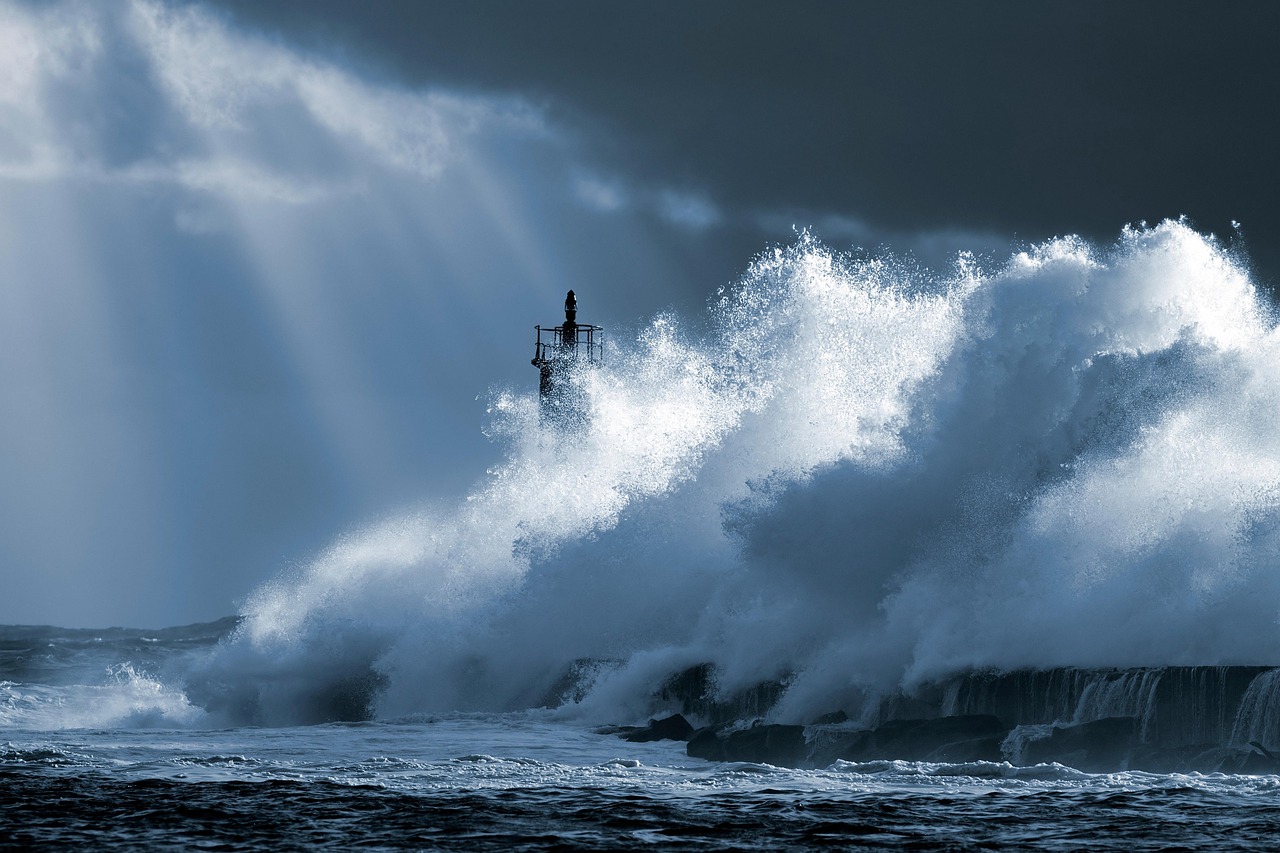
Photo by fiquetdidier1 on Pixabay.