Amy’s Kitchen Recall: A Deep Dive into Supply Chain Resilience and Organic Brand Trust
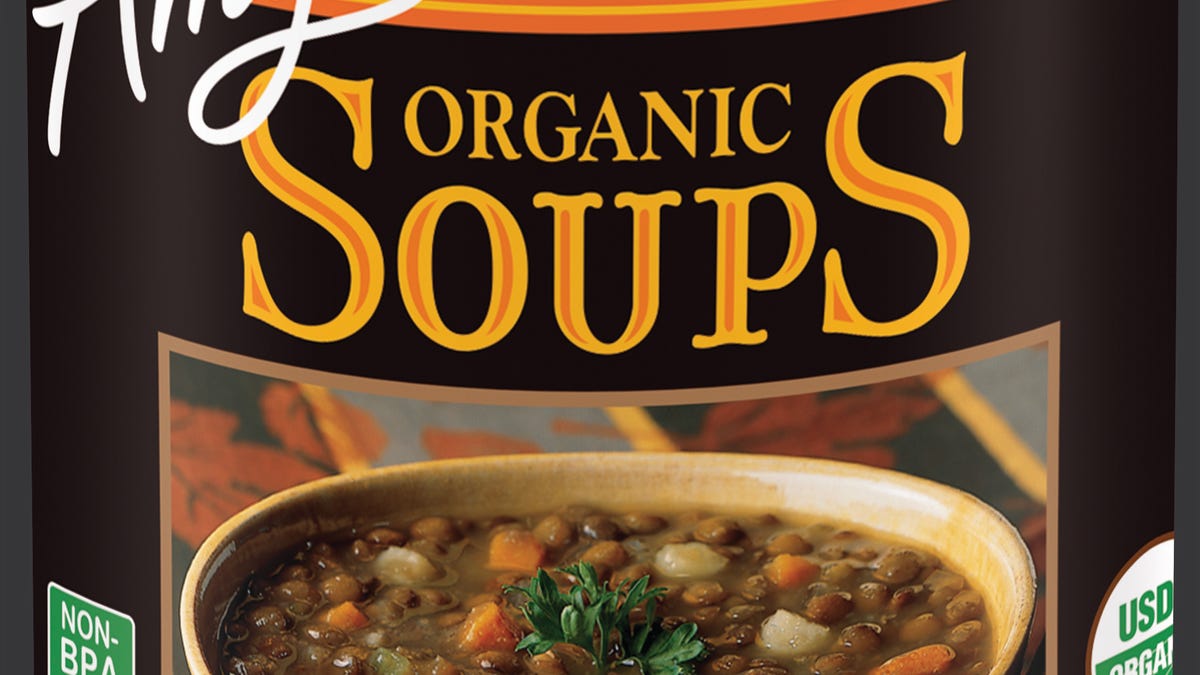
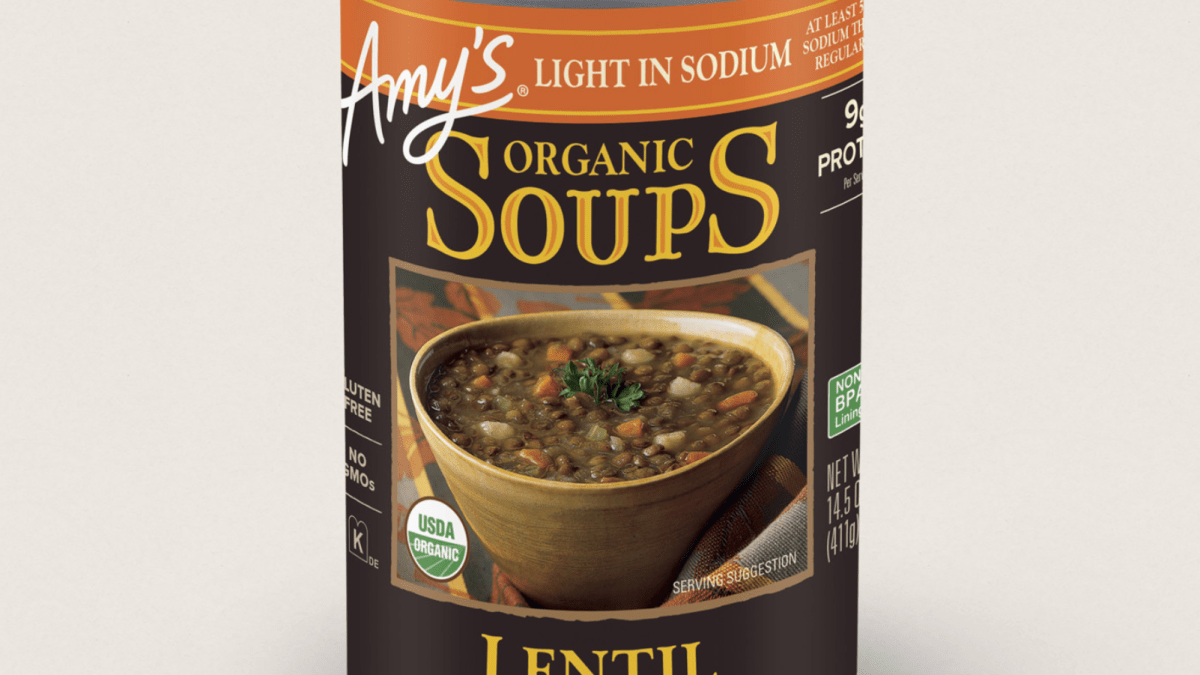
Amy’s Kitchen, a leading brand synonymous with organic, ready-to-eat vegetarian foods, has initiated a significant voluntary recall of over 184,000 cans of its Organic Lentil Soup – Light in Sodium. This action, prompted by a critical manufacturing defect in the cans’ easy-open pull tabs, introduces an unacceptable risk of product spoilage. Declared on June 22, 2026, and actively managed, this recall extends across 15,350 cases distributed throughout more than 20 U.S. states and parts of Canada, illuminating systemic vulnerabilities within the complex supply chains of premium food producers and challenging the integrity built by organic brands.
Operational and Supply Chain Integrity Under Scrutiny
The core issue—a manufacturing defect in the easy-open pull tab—pinpoints a critical vulnerability originating either from an upstream packaging supplier or Amy’s Kitchen’s internal canning and sealing processes. This flaw necessitates a rigorous, forensic investigation into the point of failure, demanding a re-evaluation of supplier vetting, contractual quality agreements, and in-house quality control mechanisms. The incident underscores that even seemingly minor component defects in mass production can cascade into significant supply chain disruptions, challenging the robustness of preventative controls designed to safeguard product integrity from source to shelf.
The logistical undertaking of managing this multi-state recall—from identifying affected lot numbers (60D0924, best-by April 2027) to coordinating reverse logistics, returns, and environmentally compliant disposals—imposes a substantial operational burden. This diverts critical internal resources, disrupts routine production schedules, and inflates overheads related to inventory management and supply chain recovery. The scale, impacting over 184,000 units, exemplifies the inherent systemic risk when single points of failure compromise integrated manufacturing and distribution networks, challenging manufacturers to build more resilient and redundant supply chains.
Brand Capital and Consumer Trust Erosion
For Amy’s Kitchen, a brand meticulously built on a foundation of organic integrity, high-quality ingredients, and health-conscious consumer values, a product safety recall carries profoundly amplified reputational risks. The discerning consumer base within the organic food segment holds inherently heightened expectations for product safety and ethical sourcing. Any perceived compromise in these areas directly erodes the premium trust capital, making brand loyalty particularly susceptible to disruption and potentially fostering long-term consumer skepticism.
While the company’s communication of “abundance of caution” is a standard strategic move to mitigate immediate anxiety and affirm commitment to safety, the underlying risk of spoilage—even without reported illnesses—can critically undermine the implicit trust central to premium organic branding. This incident may trigger a broader scrutiny of the entire Amy’s Kitchen portfolio, even products unaffected by the recall, as the ‘halo effect’ of a trusted brand can rapidly diminish, impacting future purchasing decisions across its range.
Rebuilding and maintaining brand equity post-recall necessitates not only flawless logistical execution but also demonstrably transparent communication and swift, verifiable corrective actions. The long-term financial ramifications extend beyond immediate recall expenses to encompass potential sustained reductions in sales volume, increased promotional spend to recapture market position, and the costly endeavor of restoring eroded consumer confidence against a backdrop of intensified competitive pressure.
Financial Implications and Market Positioning
The financial repercussions of this recall extend far beyond the immediate, direct costs of retrieving and disposing of 15,350 cases of soup. They encompass significant lost revenue from the affected product line, substantial inventory write-downs, and elevated operational expenses stemming from diverted labor, reverse logistics, and internal investigative efforts. These short-term burdens are compounded by potential long-term impacts on profitability and shareholder value.
Beyond direct costs, the incident introduces a tangible layer of uncertainty for both investors and retail partners. This can manifest as downward pressure on stock performance, renegotiated or less favorable terms with distributors, and the risk of reduced shelf-space allocation as retailers prioritize perceived reliability. Such sustained scrutiny can fundamentally alter a brand’s market positioning and negotiating leverage.
In the highly competitive organic food market, even temporary disruptions can create opportunities for rival brands to gain market share. Competitors may subtly leverage the incident to highlight their own quality control measures or supply chain robustness, intensifying competitive pressures on Amy’s Kitchen.
Amy’s Kitchen’s strategic decision to initiate a voluntary recall, despite its immediate financial burden, represents a calculated investment in long-term brand preservation. This proactive stance aims to preempt more severe regulatory penalties, mitigate the risk of costly class-action lawsuits, and ultimately safeguard the company’s standing as a responsible, quality-focused food producer, thereby protecting shareholder value against potentially catastrophic reputational damage.
Regulatory Oversight and Industry Standards
The U.S. Food and Drug Administration’s (FDA) subsequent enforcement report, posted on July 14, formally underscores the regulatory body’s active and compulsory oversight of the recall process. While Amy’s Kitchen initiated the recall voluntarily, FDA involvement is critical for ensuring adherence to stringent public health standards, verifying corrective actions, and establishing an official, public record of the event, thereby maintaining transparency and accountability within the food industry.
The regulatory framework surrounding food recalls mandates specific procedures for notification, public communication, and product retrieval. Adherence to these guidelines is critical for companies to avoid further penalties and demonstrate their commitment to consumer safety, reinforcing the institutional pressures on food manufacturers.
This incident is likely to precipitate broader industry dialogues concerning enhanced packaging material specifications and more stringent quality assurance benchmarks, especially for convenience-oriented products with extended shelf lives. Such events often catalyze increased regulatory scrutiny on both packaging suppliers and food processors, driving the demand for robust preventive controls and verifiable compliance across the entire supply chain to prevent similar future occurrences.
The ongoing nature of the recall indicates a sustained period of regulatory engagement and internal monitoring for Amy’s Kitchen. This extends beyond the immediate product retrieval to include verification of corrective actions and ensuring the integrity of future production runs.
Stakeholder Exposure and Risk Distribution
The Amy’s Kitchen recall distinctly distributes multifaceted risks across a spectrum of stakeholders. Consumers bear the primary health risk from potential product spoilage, coupled with the inconvenience of product identification, return logistics, and the erosion of trust in familiar brands. Their paramount incentive remains consistent access to demonstrably safe, high-quality, and reliable food products.
Retailers and distributors absorb significant operational and financial burdens, managing the complex reverse logistics of recalled inventory, facilitating customer returns, and potentially facing direct financial losses from unsold or returned goods and disrupted sales. Their incentive structures are aligned with efficient recall execution, minimizing operational disruption, and safeguarding their own customer relationships and brand reputations.
Amy’s Kitchen assumes significant financial and reputational risk, driven by the need to protect its brand and comply with regulatory requirements. The company’s incentive is to resolve the issue swiftly, transparently, and effectively to minimize long-term damage.
The can manufacturer, if identified as the source of the defect, faces potential contractual liabilities, reputational damage within the industrial supply sector, and the imperative to implement immediate corrective actions. Their incentive is to maintain client relationships and demonstrate product reliability.
Future Strategic Adjustments and Market Evolution
This critical incident will inevitably precipitate a comprehensive and urgent review of Amy’s Kitchen’s entire supply chain resilience and quality assurance frameworks. Strategic adjustments are likely to encompass diversifying packaging suppliers to mitigate single-source risk, implementing significantly more stringent incoming material inspections, and investing in advanced, in-line detection technologies to proactively identify defects before products reach the market. Such measures are vital for preventing future recurrences and reinforcing operational integrity.
The organic food sector, characterized by its premium positioning and consumer demand for transparency, will observe how Amy’s Kitchen navigates this challenge. The response will serve as a case study for other brands facing similar supply chain vulnerabilities in an increasingly complex global manufacturing environment.
The long-term market trajectory within the premium ready-to-eat segment may witness an accelerated emphasis on packaging innovation, specifically prioritizing structural integrity and material robustness over mere convenience or cost efficiency. Brands are likely to invest more heavily in resilient packaging solutions, accepting potentially higher procurement costs as a necessary safeguard against future recall risks and a crucial investment in enduring consumer trust.
Ultimately, the successful resolution of this recall and the subsequent restoration of consumer confidence will depend on Amy’s Kitchen’s demonstrated commitment to continuous improvement and proactive risk management. This event underscores the perpetual challenge for food manufacturers to balance operational efficiency with unwavering product safety standards.