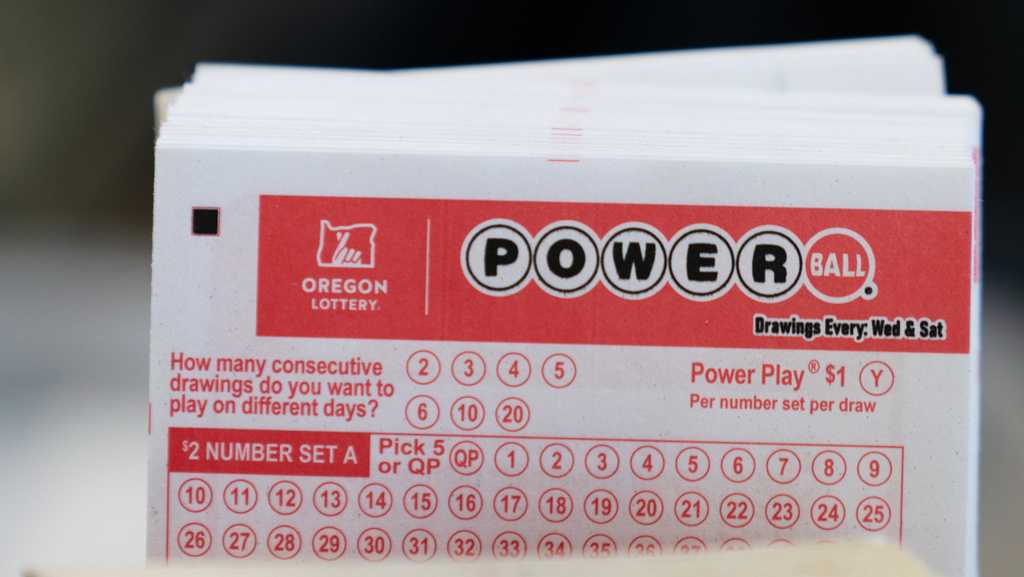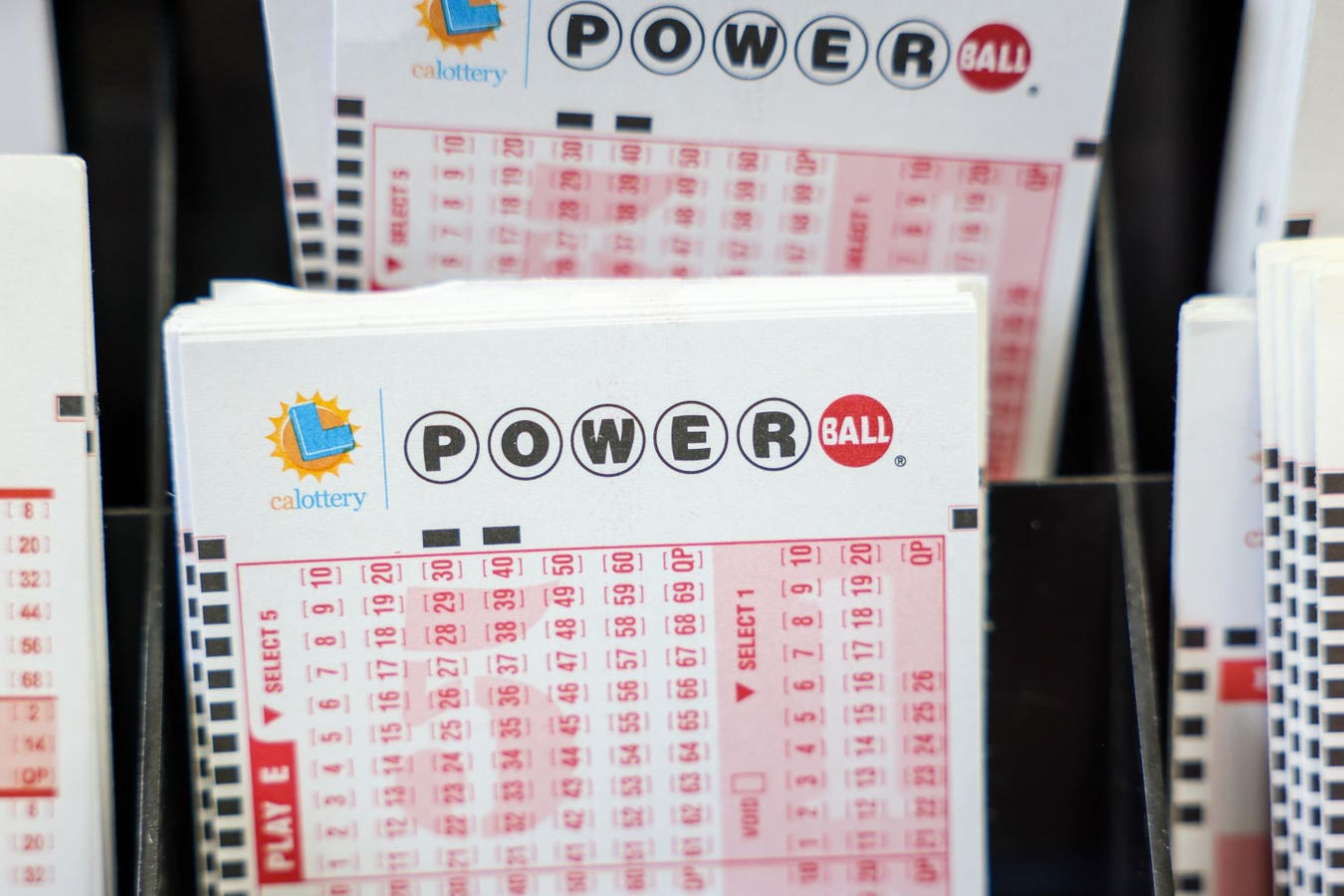
The Strategic Pivot: Combating Systemic Jackpot Fatigue
Powerball’s expansion into the United Kingdom signifies a fundamental shift in lottery operations, moving toward a global liquidity model to address domestic ‘jackpot fatigue.’ Since its 1992 inception, the product has relied on massive grand prizes to drive volume; however, as U.S. consumers become desensitized to non-record-breaking figures, the organization is leveraging international capital to accelerate prize growth and maintain market relevance.
The Valuation Asymmetry: Gross Annuity vs. Net Realizable Value
A critical friction point in the expansion is the disclosure of the $567 million jackpot. While U.S. marketing emphasizes the gross annuity—a 30-year projection pre-tax—the U.K. debut utilized a net-basis disclosure of approximately £300 million ($400.4 million). This disparity is not a currency fluctuation but a divergence in regulatory philosophies: the U.S. model prioritizes psychological anchoring via theoretical maximums, whereas U.K. standards mandate transparency regarding realizable, post-structural outcomes.
Pricing Disparity as a High-Yield Strategy
The operational logic of the rollout is underscored by a significant pricing premium: U.K. entries cost £4 (~$5.33), more than double the U.S. $2 standard. This positions the U.K. as a high-yield segment designed to rapidly inflate the shared jackpot pool. While this higher margin offsets currency hedging and international administrative overhead, it also functions as a mechanism to reach billion-dollar thresholds—the primary trigger for mass-market participation—more frequently.
Regulatory Divergence and Social Revenue Distribution
Maintaining the integrity of the ‘local benefit’ model, a portion of the U.K. revenue is retained for domestic social initiatives, mirroring the U.S. state-level allocation for infrastructure and education. This ensures sovereign approval but creates a structural ceiling on jackpot contributions. The expansion thus tests the balance between maximizing a global prize pool and satisfying localized regulatory requirements for social reinvestment.
Consumer Sentiment and Brand Equity Risks
The move introduces risks of brand dilution among domestic U.S. players who may perceive the internationalization as a threat to prize exclusivity. While the mathematical probability remains constant at 1 in 292.2 million, the perception of a ‘crowded’ player pool can lead to consumer churn. Furthermore, the U.K.’s transparent net-value reporting may eventually force U.S. operators to modernize their own disclosure practices, potentially undermining the marketing efficacy of gross annuity headlines.
Conclusion: The Future of Global Lottery Governance
The July 22 drawing, featuring winning numbers 4, 5, 22, 50, 58, and Powerball 1, serves as a proof-of-concept for the globalization of high-stakes gaming. Success will be measured by whether the U.K.’s high-margin participation can consistently trigger the $500 million+ jackpots required to engage a fatigued public. As boundaries blur, the industry moves toward a standardized, high-liquidity model that requires unprecedented international cooperation in tax and compliance frameworks.