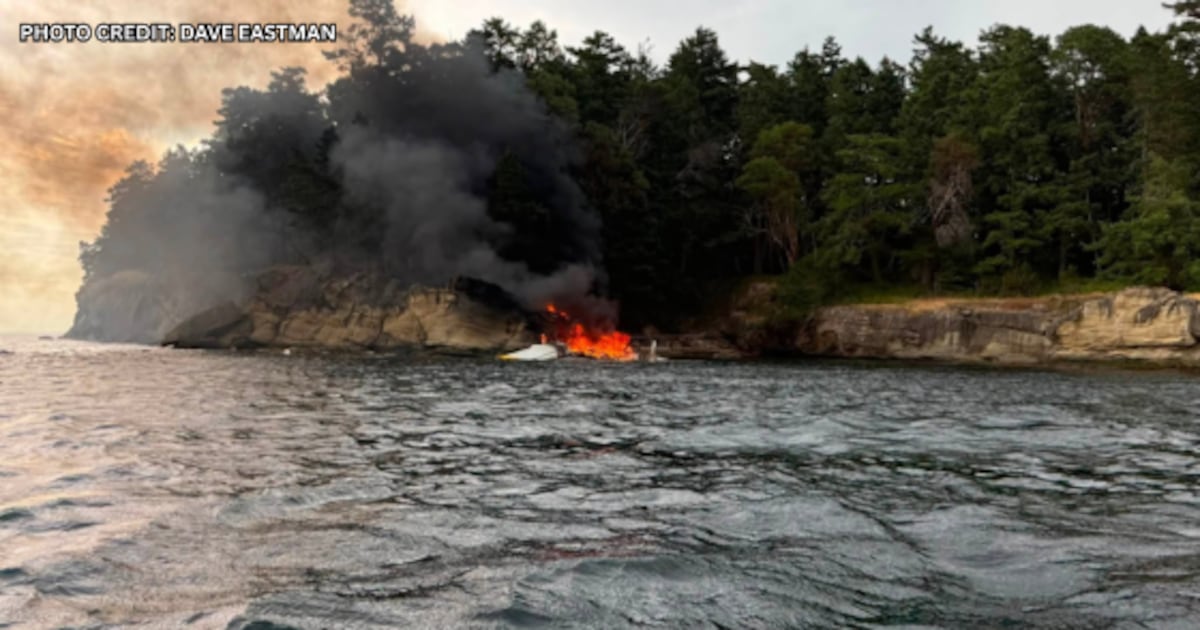
An emergency response involving multiple multi-jurisdictional agencies deployed following reports of an aviation incident near Sucia Island within San Juan County. According to Kenmore Air, the aircraft departed from Lake Union during the late afternoon, bound for Roche Harbor on San Juan Island. Initial operational tracking established that the flight carried a reported cohort of ten individuals, prompting the rapid mobilization of marine assets.
Discrepancies in preliminary reporting emerged regarding the precise count of affected individuals, with local fire and rescue services indicating as many as eleven patients under evaluation. Such variances frequently characterize the initial response phase of multi-agency incidents before passenger manifests are fully reconciled. Both the operator and responding authorities noted that these figures remain strictly preliminary as search and rescue operations unfold on the water.
Multi-Agency Deployment and Operational Coordination
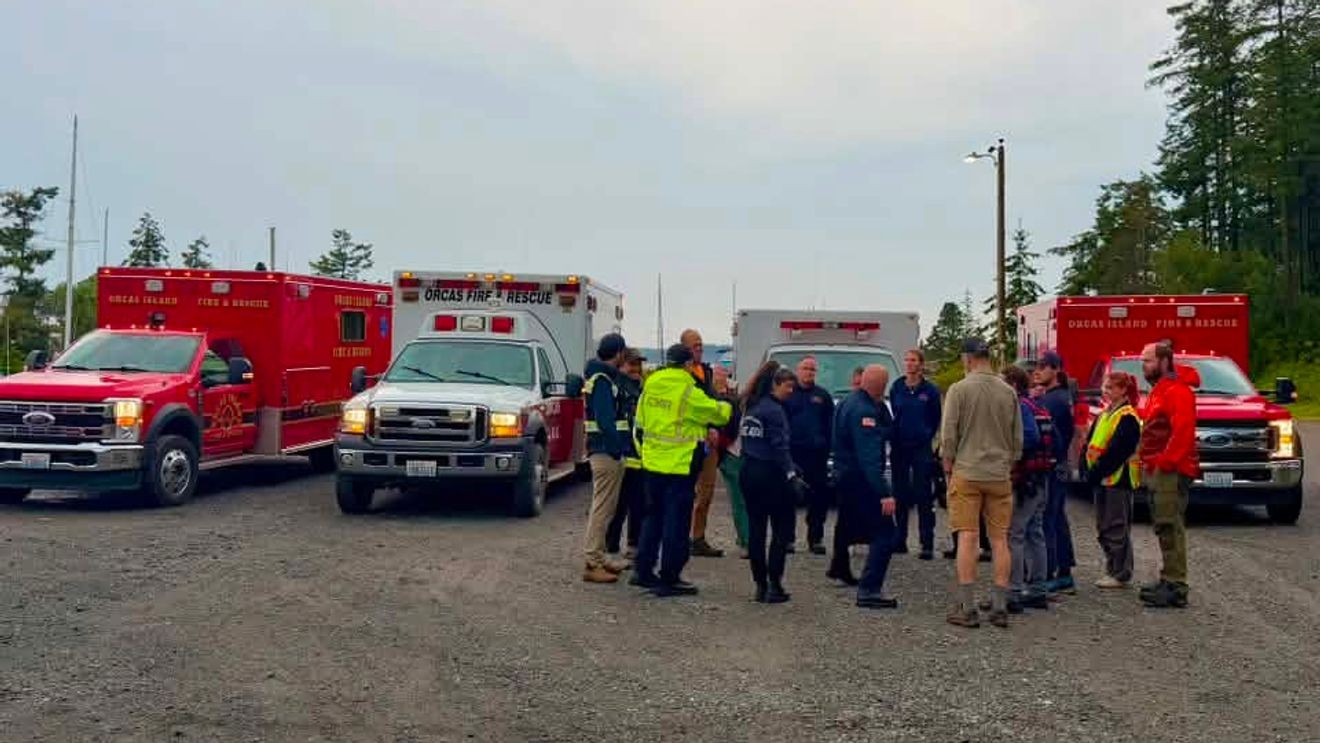
The operational framework activated in response to the crash underscores the logistical challenges inherent to maritime aviation incidents in the Pacific Northwest. Assets from the United States Coast Guard deployed directly to the scene, operating in coordination with municipal and county emergency providers, including Orcas Island Fire and Rescue, San Juan Island Fire and Rescue, and Lopez Island Fire and Rescue. Additional logistical support was provided by the San Juan County Sheriff’s Office and county parks personnel, reflecting integrated regional emergency response protocols.
Coordinating multiple entities during an active marine incident requires establishing unified command structures to streamline rescue and recovery efforts. The geography of the San Juan Islands necessitates specialized waterborne transit, introducing inherent time delays that compound the urgency of initial deployment. Inter-agency communication channels remain critical as responders navigate the active zone off Sucia Island to locate survivors and secure the accident perimeter.
Carrier Operations and Regulatory Oversight
Kenmore Air confirmed that the aircraft involved was engaged in a scheduled regional transit rather than a dedicated charter flight. Regional air carriers operating scheduled routes in the Pacific Northwest maintain high-frequency connections between urban water bodies like Lake Union and island destinations, forming a vital economic and logistical bridge. The sudden disruption of these routes triggers immediate operational adjustments for the carrier and places scrutiny on regional transport safety protocols.
Regulatory oversight bodies and investigators face the intricate task of determining the sequence of events leading up to the descent into the water near Sucia Island. Officials have not yet released definitive data regarding the specific aircraft model, the medical condition of the occupants, or potential environmental and mechanical factors contributing to the incident. Consequently, formal investigative findings by federal aviation authorities will be required to establish the operational cause of the crash.
Institutional and Economic Implications
Incidents involving commercial passenger transport in regional waters carry immediate implications for public confidence and regulatory compliance within the broader aviation sector. Operators of floatplanes and amphibious aircraft navigate stringent oversight frameworks governing weather minimums, maintenance schedules, and pilot certifications. Any disruption to standard operations prompts institutional reassessment among insurers, transport authorities, and corporate stakeholders regarding safety margins and operational risk.
The media ecosystem surrounding unfolding transportation accidents relies heavily on verified updates from institutional spokespersons to mitigate speculation during active rescue phases. Outlets such as KIRO 7 and Cox Media Group documented the developing narrative through direct attribution to carrier representatives and emergency dispatch centers. Maintaining informational precision during these early phases prevents the dissemination of unverified claims while managing public and stakeholder expectations.