Strategic Imperatives: Leveraging the 60-Win Benchmark
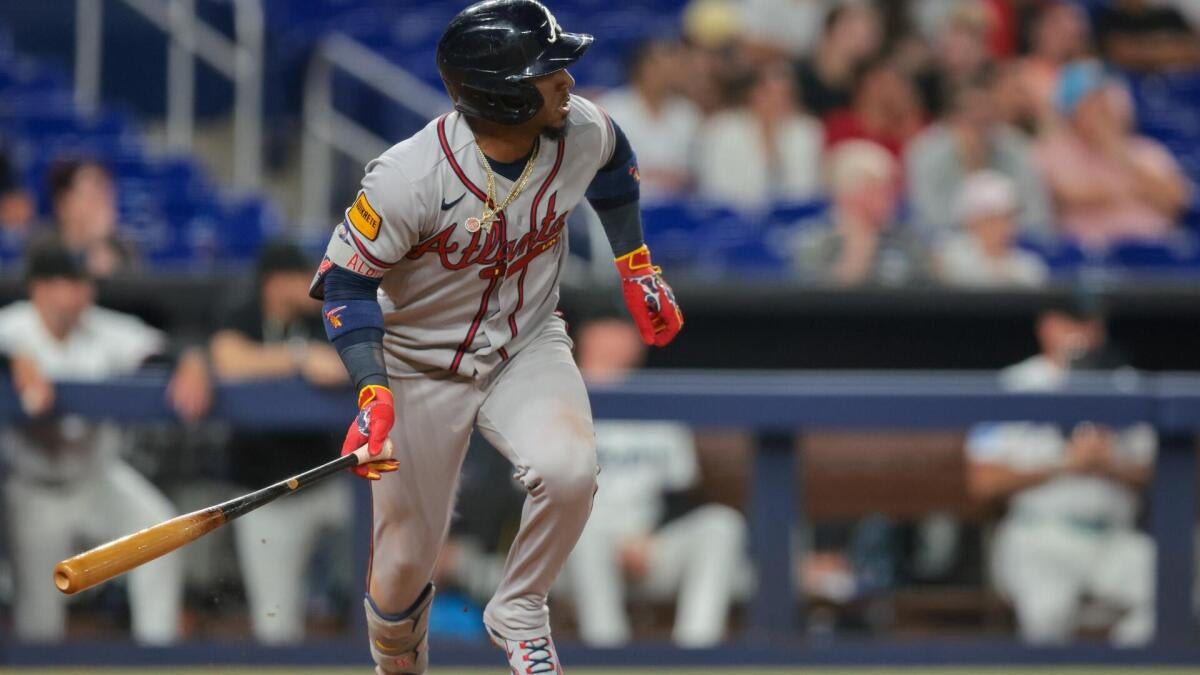
The Atlanta Braves are currently converging on their 60th victory of the 2026 campaign, a statistical milestone that serves as a proxy for divisional dominance in the National League East. Beyond the immediate standings, this contest against the San Diego Padres represents a structural opportunity to rectify historical underperformance; securing this home series would mark a first since 2018. Achieving this win-loss threshold early in the season cycle optimizes postseason seeding probabilities and enhances the franchise’s leverage during upcoming high-stakes roster negotiations.
Rotational Management: The Sale Factor in High-Leverage Scenarios
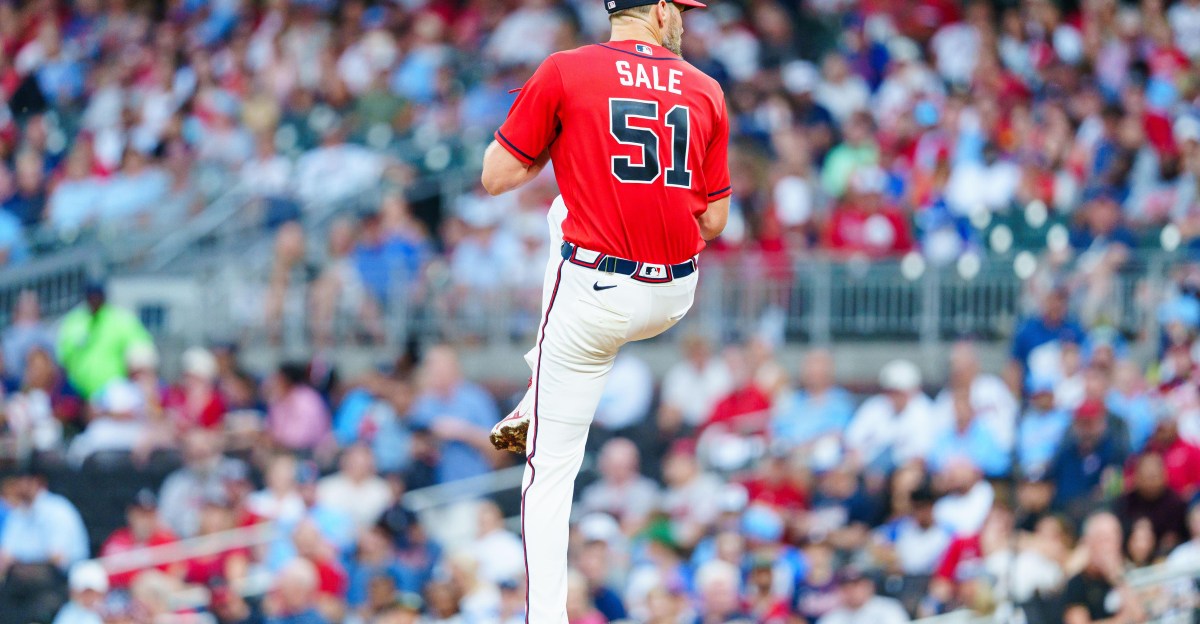
Central to Atlanta’s defensive architecture is left-hander Chris Sale. Despite a ‘rollercoaster’ trajectory within the broader starting staff, Sale’s individual metrics—a 10-6 record paired with a 2.06 ERA—position him as an elite outlier. His recent seven-inning shutout against the Texas Rangers, characterized by minimal hits and his 2,700th career strikeout, underscores his role as a workload mitigator. By consistently pitching deep into games, Sale provides essential relief to a bullpen frequently stressed by shorter starts from the back-end of the rotation, thereby preserving high-leverage arms for late-inning optimization.
Market Analytics and Predictive Valuation
The sports wagering ecosystem currently reflects Atlanta’s competitive advantage, with the money line positioning them as a -259 favorite. This valuation is not merely reflective of fan sentiment but is driven by sophisticated algorithmic models like the SportsLine Projection Model, which has demonstrated significant profitability in 2025. These data-driven insights integrate player performance volatility, home-field advantage (highlighted by Atlanta’s 31-20 record at Truist Park), and offensive output projections to establish a market consensus that dictates capital allocation across the betting industry.
Roster Optimization and Trade Deadline Dynamics
As the 2026 trade deadline approaches, the Braves’ front office faces a critical juncture in roster construction. Reports suggest a requirement for three strategic acquisitions to address rotational inconsistency and depth deficiencies. This pursuit of talent involves a complex risk-reward calculus: balancing the immediate need for a championship-caliber roster against long-term salary cap flexibility and prospect retention. The ability to execute these transactions under time constraints will likely determine the franchise’s trajectory through the postseason.
Operational Logistics and Historical Trajectory
The scheduling of a 12:15 p.m. ET ‘brunch baseball’ start introduces unique operational variables, from player circadian rhythm adjustments to shifts in broadcast viewership demographics. Historically, these afternoon windows impact stadium revenue streams and fan engagement patterns. For a franchise focused on brand equity, maintaining competitive consistency across diverse time slots is essential for maximizing both media rights valuations and the broader economic ecosystem surrounding the club.