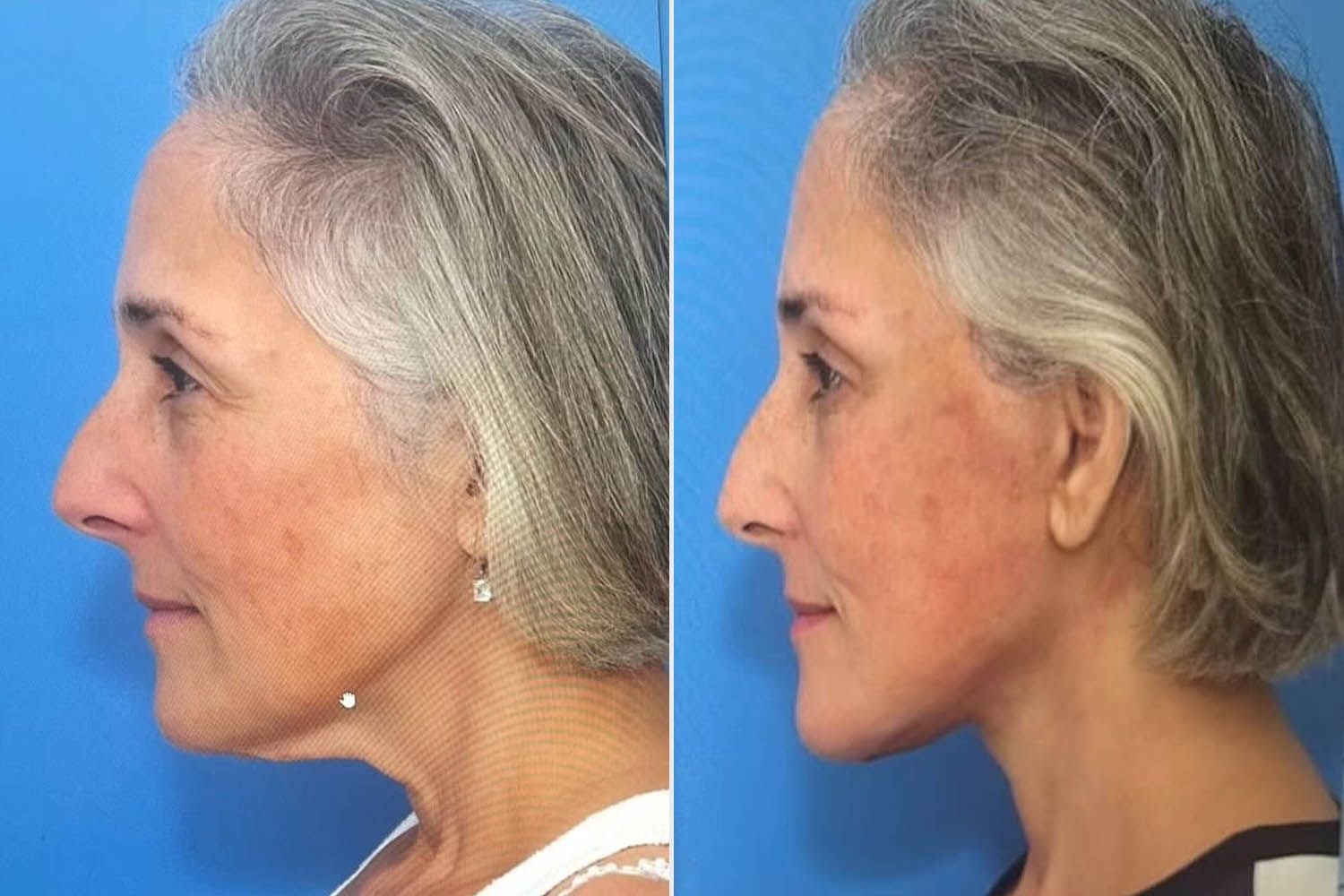
The public disclosure by Ricki Lake regarding the two-year milestone of her deep plane lower face and neck lift represents a sophisticated evolution in the management of celebrity aging. By publishing detailed longitudinal outcomes on July 18, 2024, Lake has pivoted from traditional cosmetic discretion toward a model of ‘radical transparency.’ This approach leverages authenticity as professional capital, aligning her persona with the contemporary demand for honesty in the high-definition media era.
Clinical Logic: The Deep Plane Advantage
Lake’s choice of a deep plane facelift, performed by Dr. Allen Foulad, reflects a preference for structural restoration over superficial tension. Unlike traditional rhytidectomy, the deep plane technique involves the sub-SMAS (Superficial Musculoaponeurotic System) release of retaining ligaments. This allows for the repositioning of deep tissue and fat pads without the ‘wind-tunnel’ effect associated with skin-only stretching. By emphasizing the two-year stability of these results, Lake provides empirical evidence of the technique’s longevity and anatomical harmony.
The integration of CO2 laser resurfacing addresses the dermal component of aging that surgery alone cannot correct. Through fractional photothermolysis, the laser stimulates neocollagenesis, refining skin texture and resolving photodamage. This multimodal approach—combining structural surgical lifting with thermal skin optimization—represents the current gold standard in comprehensive facial rejuvenation.
The Economic Link: Weight Loss and Skin Laxity
Lake’s narrative underscores a critical clinical trend: the demand for surgical intervention following massive weight loss. Having lost 40 pounds in 2023, Lake faced significant skin laxity, particularly in the submental (neck) region. In patients over 50, rapid weight reduction often depletes facial volume and exceeds the skin’s elastic threshold, creating a functional and aesthetic requirement for excision and lifting. Lake’s transparency reframes the procedure not as vanity, but as the final phase of a physiological transformation.
Strategic Brand Management and Peer Influence
The explicit mention of Oprah Winfrey highlights the role of ‘permission structures’ within elite media circles. When high-profile figures validate medical maintenance, it reduces social stigma and accelerates market adoption. By naming her surgeon and detailing her recovery, Lake transforms a private medical event into a branding asset. This ‘direct-to-consumer’ celebrity communication bypasses tabloid speculation, allowing the individual to control the technical and emotional narrative of their physical evolution.
Operational Implications for the Aesthetic Market
For the aesthetic industry, Lake’s disclosure signifies a shift toward a more informed consumer base. Patients now seek specific methodologies—such as the deep plane lift—based on the results seen in public figures. This places a premium on surgical expertise and technical transparency. Lake’s satisfaction with ‘natural’ results serves as a benchmark for the industry’s current trajectory: prioritizing restoration of the patient’s original anatomy rather than creating an artificial appearance.