Analysis of the Upper East Side Legionnaires’ Cluster
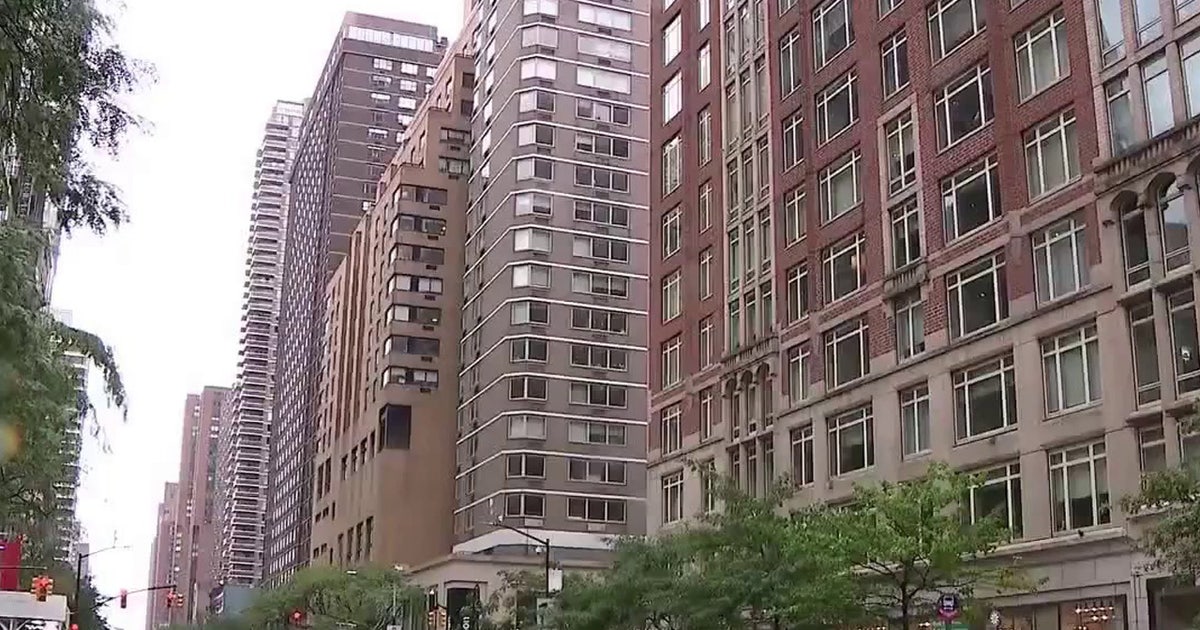
The New York City Health Department has confirmed a third fatality linked to the recent Legionnaires’ disease outbreak on the Upper East Side. With 74 total confirmed cases, this cluster poses a critical test for urban public health surveillance. Health officials state the primary source of Legionella has been contained, yet the emergence of new diagnoses highlights the ongoing challenge of managing environmental pathogens within dense residential infrastructure, particularly across the 10028, 10075, and 10128 zip codes.
Regulatory Oversight and Operational Response
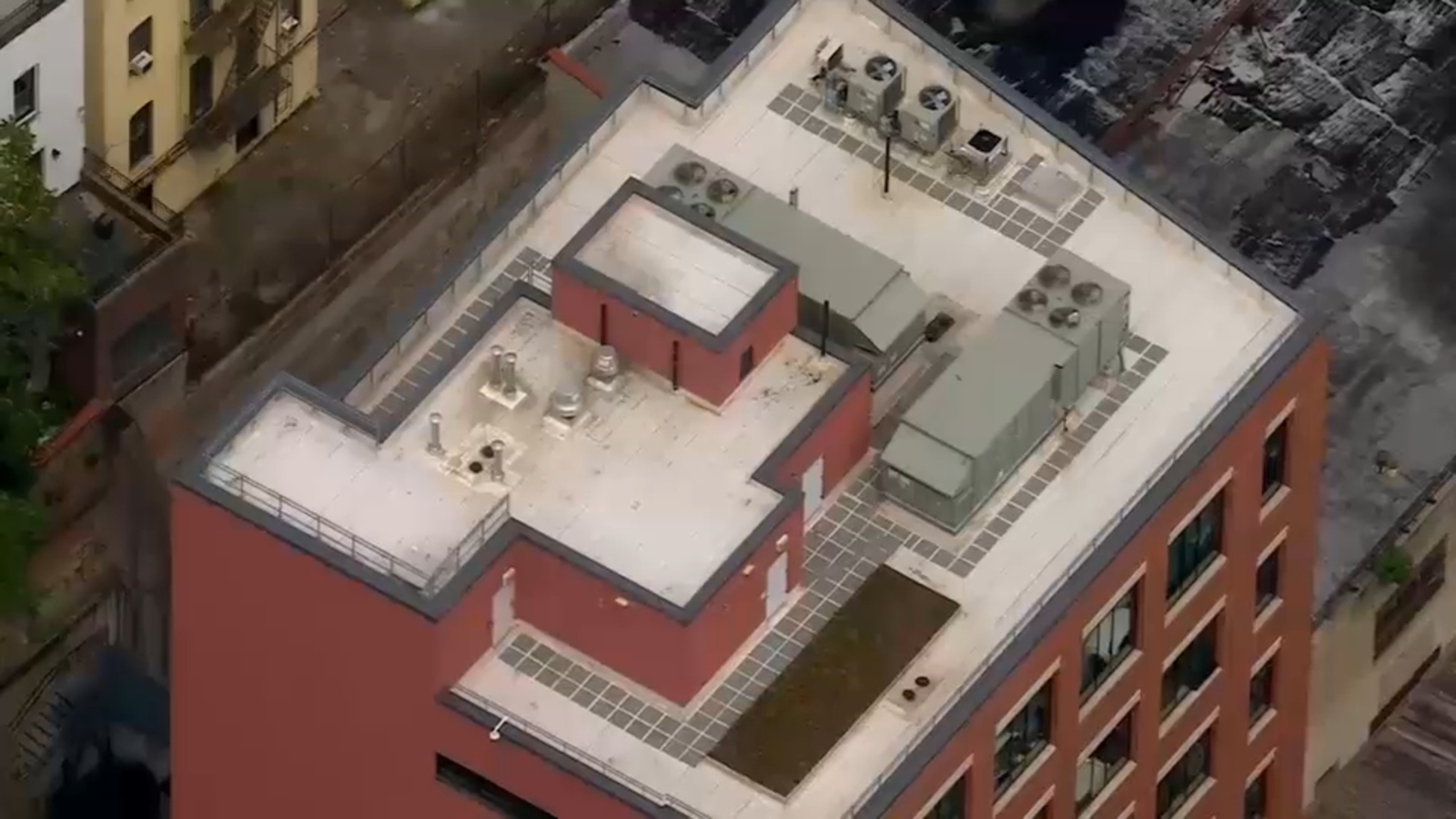
City Health Commissioner Dr. Alister F. Martin confirmed that the city mandated the testing and remediation of 76 cooling towers. Legionnaires’ disease typically stems from aerosolized Legionella bacteria in improperly maintained HVAC systems. Because these systems are frequently managed by private commercial and residential entities, the city’s ability to mitigate risk is intrinsically tied to the enforcement of mandatory compliance and rigorous facility maintenance protocols.
Legal Liability and Property Accountability
The tragedy—including the death of an 88-year-old veteran—has shifted the focus from epidemiological tracking to legal accountability. The family of the deceased has filed claims alleging negligence, asserting that the building owner failed to adhere to required water treatment standards. This legal scrutiny sets a precedent; as attorneys review maintenance logs, the outcome may redefine how property owners manage environmental risk and the potential for corporate liability in urban real estate.
Systemic Infrastructure Vulnerabilities
Legionnaires’ outbreaks are rarely localized anomalies; they represent systemic failures in water temperature regulation and chemical disinfection. The recent detection of Legionella at the Metropolitan Museum of Art serves as a stark reminder of the ubiquitous risks inherent in large-scale infrastructure. Ensuring consistency across thousands of privately operated cooling towers remains a primary barrier to preventing bacterial colonization in urban environments.
Strategic Outlook for Urban Policy
For property managers, this outbreak underscores the convergence of financial, reputational, and legal risks. Beyond litigation and increased insurance premiums, there is a clear imperative for more transparent, frequent reporting to health authorities. Moving forward, the 74 cases reported will function as critical data for policymakers evaluating whether current legislative frameworks require stricter enforcement or more aggressive public disclosure requirements for HVAC maintenance records.