FBI’s Historic 2026 World Cup Security: A New Global Benchmark
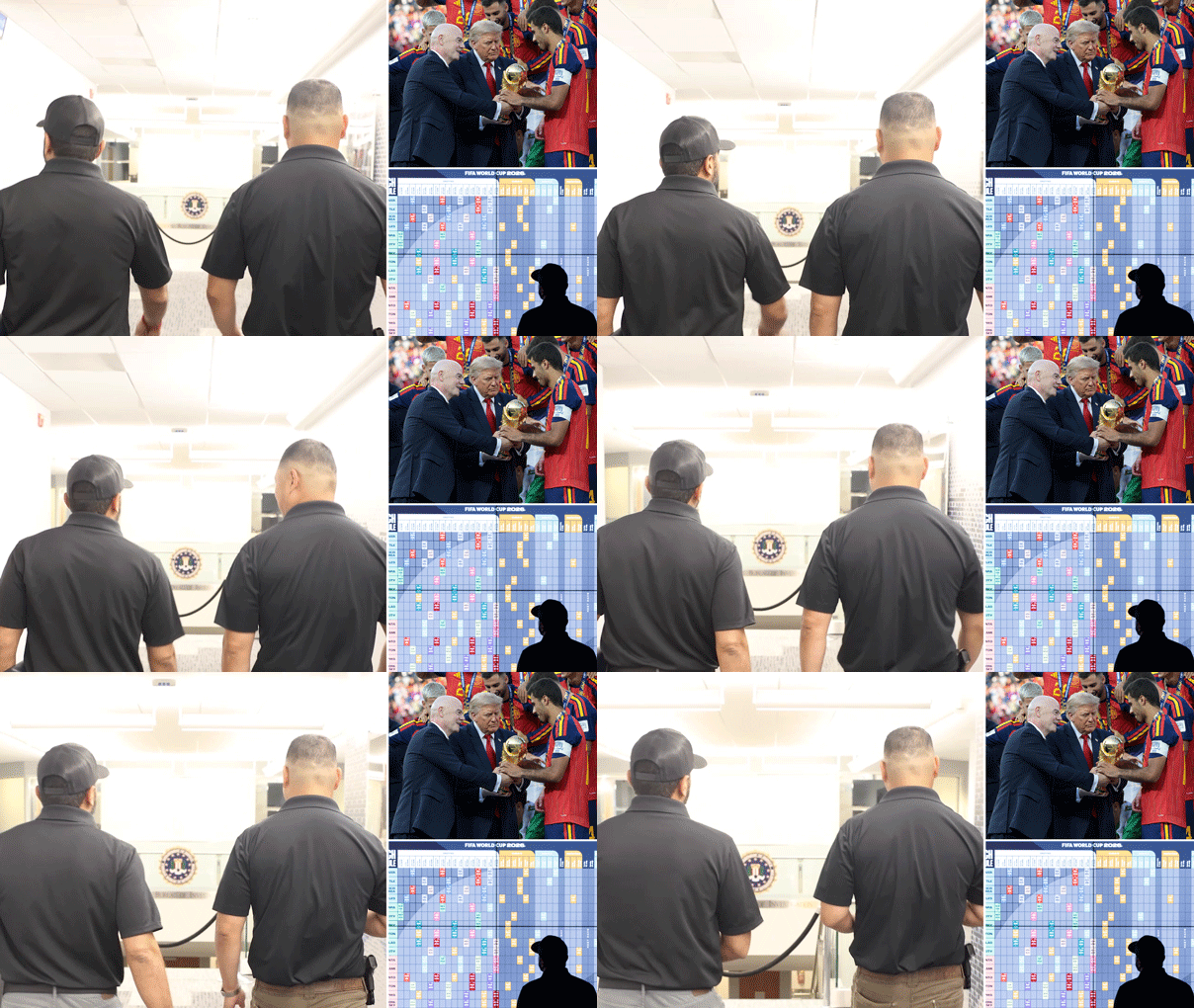
The Federal Bureau of Investigation executed its most ambitious security operation in history for the 2026 FIFA World Cup, an event uniquely characterized by FBI Director Kash Patel as akin to orchestrating the security for “Seventy-eight Super Bowls in 38 days.” This monumental undertaking, safeguarding the first World Cup hosted by the United States in over three decades, underscored both the evolving global threat landscape and the strategic national importance of the tournament. Crucially, meticulous planning and a vast commitment of resources resulted in “no significant criminal attacks” throughout the event, establishing a new global benchmark for mega-event security. This success was a testament to the concerted efforts of nearly 5,000 FBI personnel, drawing expertise from field offices, headquarters, and legal attaché offices, augmented by the integral support of 59 Homeland Security partners.
Operational Complexity and Inter-Agency Synergy
The sheer operational scale of the 2026 World Cup presented an unparalleled challenge, encompassing 78 matches across 11 distinct U.S. venues and involving 6.5 million attendees. Managing security for such a geographically dispersed and time-compressed schedule demanded a “mathematically precise” approach, integrating advanced risk modeling, predictive analytics, and dynamic resource allocation. The deployment of over 4,000 FBI personnel from various field offices, alongside 800 from headquarters, exemplifies a sophisticated command structure: centralized strategic oversight complemented by decentralized tactical execution. This hybrid model ensured rapid response capabilities and localized intelligence gathering, vital for navigating diverse urban environments and multiple jurisdictional frameworks.
Collaboration with 59 Homeland Security partners further illustrates a profound, integrated multi-agency framework. This extensive network facilitated comprehensive threat mitigation, spanning critical infrastructure protection, border security enhancements, advanced intelligence sharing, and coordinated emergency response protocols. This unified federal response underscored a collective national security priority, leveraging diverse governmental capabilities to protect a global spectacle.
Strategic Mandate and Political Prioritization
The ambition to host the FIFA World Cup in the United States was framed by President Donald Trump in 2018 not merely as a sporting endeavor but as a strategic initiative to forge a lasting national legacy. This vision aimed to unite the country, extend a global welcome, and showcase American excellence, particularly in anticipation of the nation’s 250th birthday. Andrew Giuliani emphasized President Trump’s personal involvement, translating this top-down mandate into the establishment of the White House Task Force on the 2026 FIFA World Cup early in his second term. This move signaled a definitive “whole-of-government effort,” elevating the tournament’s status beyond a typical sporting event and embedding its success within broader national objectives related to diplomacy, economic development, and international soft power projection. This institutionalized approach ensured unwavering cross-departmental alignment and unparalleled resource prioritization.
Security Outcomes: Mitigating Traditional and Evolving Threats
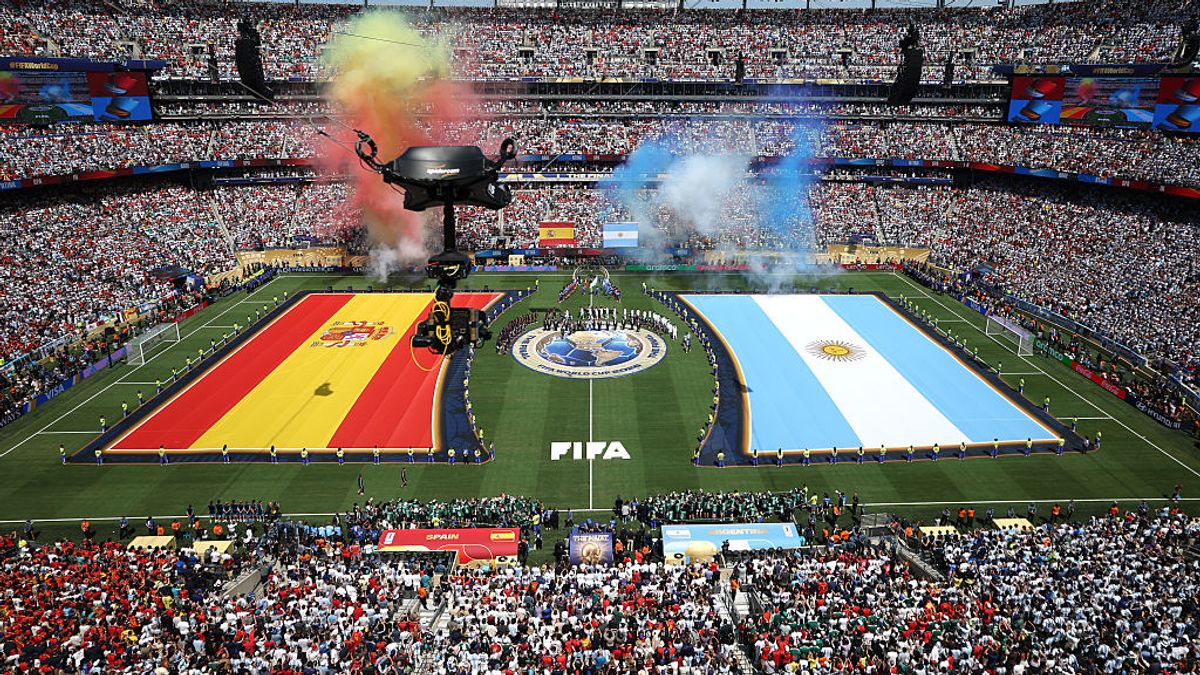
A key success metric for the 2026 World Cup security apparatus was the complete absence of pitch invaders at the final match held at New York/New Jersey Stadium, a significant improvement over the 2014 and 2018 World Cup Finals. This outcome, achieved even with a self-imposed 27-minute halftime concert, underscored the effectiveness of enhanced security measures for high-stakes events. However, the tournament was not entirely devoid of unauthorized field incursions. Several pitch invasions occurred at other matches, notably during the Belgium-Senegal Round of 32 matchup in Seattle. These incidents, involving individuals promoting offshore betting companies like ‘Duel’ or personal brands, highlighted the persistent and evolving challenge of mitigating commercial exploitation and individual notoriety-seeking within the heavily secured environment of major sporting events.
Differentiated Security Posture and VIP Protection
The distinction between the security posture at the final match and other tournament games suggests a tiered approach to risk management and resource allocation. The heightened protection at the final, explicitly linked to “increased security — due to the likes of Donald Trump’s attendance,” exemplifies the significant impact of VIP presence on security planning. Such participation necessitates elevated threat assessments, specialized protective details, and broader perimeter enhancements, influencing overall resource distribution and operational priorities. While potentially diverting some assets, this strategic allocation ensures the safety of prominent individuals, thereby safeguarding the event’s overall viability and international reputation. The varying effectiveness of intruder apprehension across different venues further underscored the dynamic nature of crowd control and the continuous need for adaptive security protocols tailored to specific match environments and perceived threat levels.
Economic Dividend and Global Image Projection
The 2026 FIFA World Cup’s success, marked by shattered attendance records and millions of international visitors, translated directly into substantial economic and reputational leverage for the United States. This influx of tourists stimulated local economies across the 11 host cities, driving significant spending in hospitality, retail, transportation, and entertainment sectors. Beyond immediate financial gains, hosting such a globally significant event provided an unparalleled platform for national branding and cultural exchange. Showcasing American infrastructure, organizational capabilities, and hospitality to a worldwide audience actively fostered positive international relations and encouraged future tourism and foreign direct investment. The successful, major-incident-free execution of this mega-event reinforced the United States’ image as a supremely capable and secure destination for international gatherings, setting a new benchmark for future bids for global events.
Institutional Legacy and Future Preparedness
The 2026 FIFA World Cup served as a comprehensive stress test for the operational capabilities of federal law enforcement and its numerous partners. The successful navigation of its unprecedented scale and complexity unequivocally validated the FBI’s capacity to lead and execute multi-agency security operations under intense international scrutiny. This invaluable experience yielded refined protocols and enhanced frameworks for inter-agency cooperation, intelligence sharing, predictive policing, and rapid deployment. These lessons are directly transferable and scalable to future large-scale events, both sporting and non-sporting, within the United States, significantly enhancing the nation’s overall preparedness for complex security challenges. The sustained commitment of resources and the strategic emphasis on a “whole-of-government” approach reinforce the institutional understanding that major international events are not merely logistical undertakings but critical components of national strategy, ensuring continued high-level political prioritization and integrated federal support.
Conclusion: A Defining Moment for Mega-Event Security
The 2026 FIFA World Cup stands as a defining moment in the history of mega-event security, characterized by the FBI’s largest-ever operational commitment and a reported absence of significant criminal attacks. The meticulous planning, extensive inter-agency collaboration, and unwavering strategic political backing converged to deliver a tournament that met its primary security objectives with unparalleled success. While challenges such as isolated pitch invasions underscored the dynamic and evolving nature of event security, the overarching achievement in safeguarding millions of attendees and preventing major incidents reaffirmed the efficacy of a comprehensive, multi-layered approach. This accomplishment not only secured a global spectacle but also projected a powerful image of national capability, resolve, and hospitality on the international stage. The operational insights gained and the precedents set by the 2026 World Cup will undoubtedly inform and elevate future security strategies for major international gatherings, solidifying the critical interplay between federal law enforcement, strategic political vision, and extensive inter-agency partnerships in ensuring global event success.