
Navigating Diagnostic Uncertainty in Food Safety
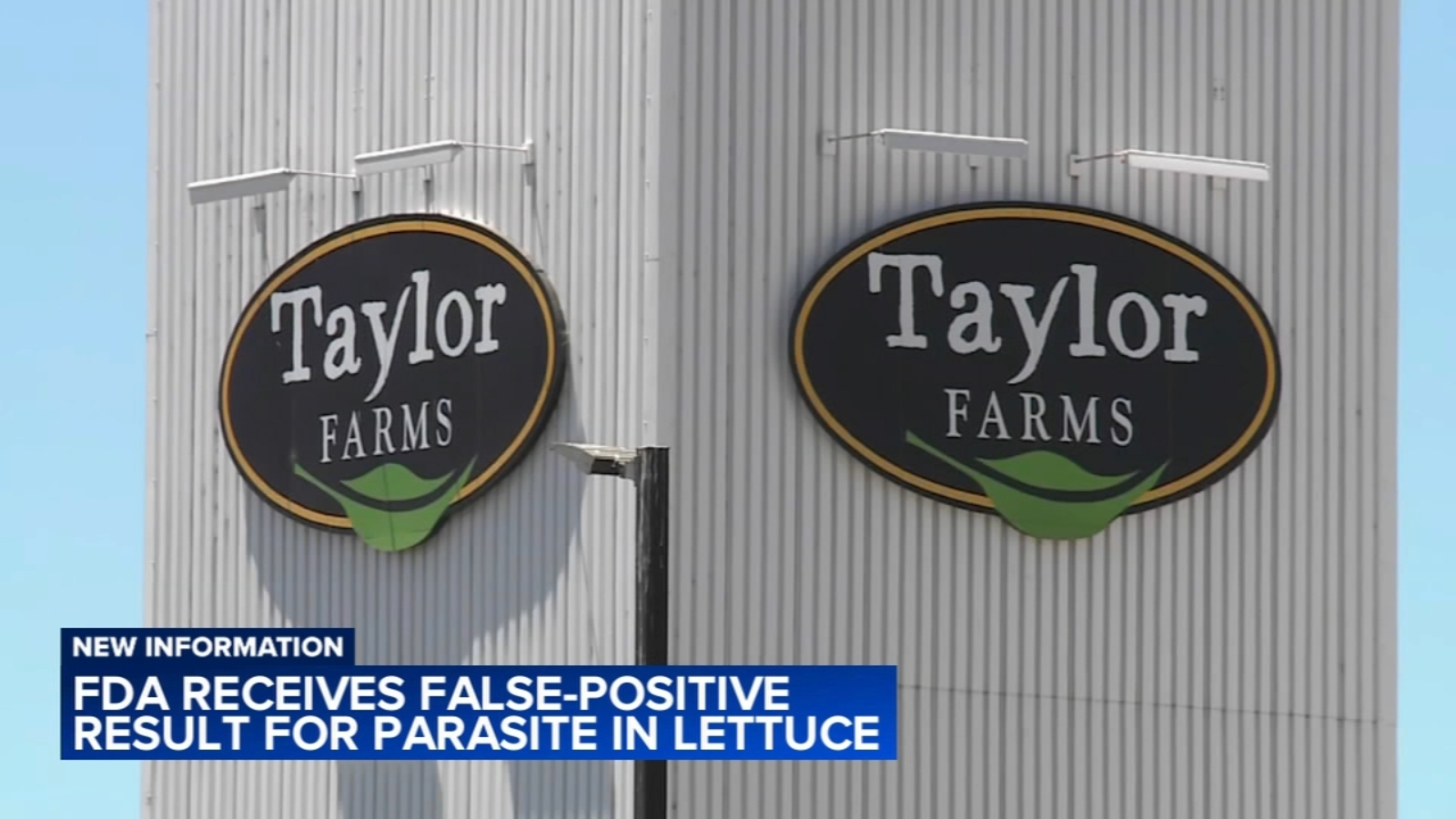
The FDA’s recent retraction of a positive Cyclospora test result linked to Taylor Farms highlights the inherent complexities of diagnosing pathogens within high-volume agricultural supply chains. While the correction of this specific data point modifies the technical timeline of the outbreak, the operational mandate for the recall remains critical to public health surveillance.
This incident underscores the systemic challenges in identifying localized contaminants within centralized distribution networks. Regulatory reliance on preliminary findings—while necessary for rapid intervention—often triggers immediate, irreversible market disruptions. The retraction serves as a critical reminder of the tension between precautionary public health protocols and the need for diagnostic precision.
The Operational Impact of Multi-State Recalls
Taylor Farms has withdrawn a vast range of products sourced from central Mexico across 27 states. Given the logistical integration of these products, a single laboratory correction cannot offset the momentum of an ongoing investigation. The logistical footprint of such recalls involves complex coordination between federal authorities and private sector partners, necessitating that recalls remain active until the epidemiological investigation is conclusive.
Supply Chain Vulnerability and Precautionary Protocols
Centralized sourcing from regions such as central Mexico creates a singular point of vulnerability for major distributors. Regulatory frameworks prioritize the precautionary principle to mitigate risk, often resulting in broad, prophylactic recalls. While these measures are designed to curb health risks, they impose substantial financial and operational burdens, illustrating the delicate equilibrium required to balance market continuity with consumer safety.
Diagnostic Limitations and Policy Evolution
The collaborative investigation by the FDA and the CDC highlights the necessity of multi-jurisdictional transparency. However, the false-positive result also points to the limitations of existing field-testing methodologies. Moving forward, the produce industry faces pressure to adopt more rapid, precise diagnostic technologies to minimize the frequency of large-scale, potentially avoidable recalls.
Institutional Resilience and Long-Term Strategy
For large-scale producers, managing high-profile recalls requires a robust strategy that balances immediate regulatory compliance with long-term brand integrity. Market participants—including retailers and distributors—are currently reassessing procurement strategies and traceability protocols to enhance supply chain resilience. This event will likely serve as a foundational case study for policymakers addressing the accuracy of pathogen detection and the management of biological risk in global food markets.

Photo by jmrockeman on Pixabay.