
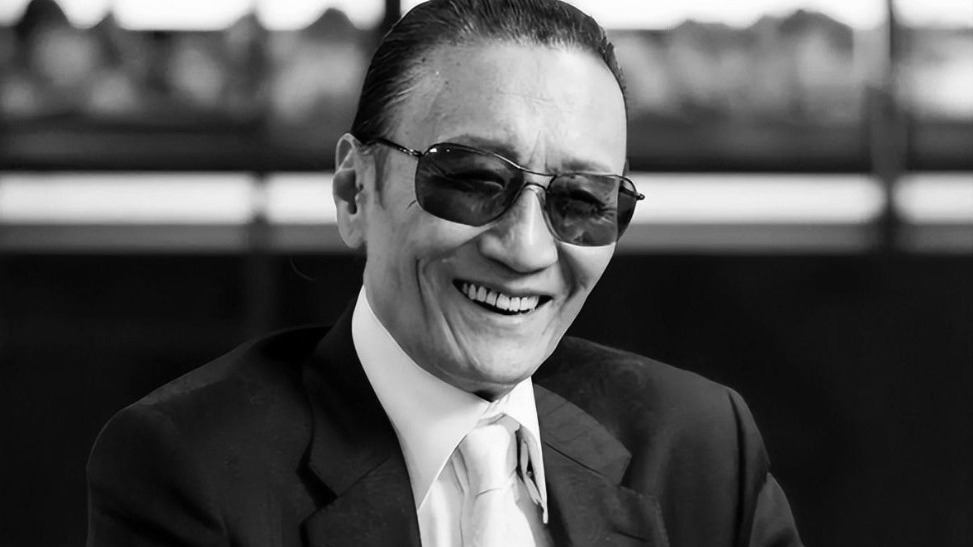
The passing of Patrick Tse at age 89 signifies more than the loss of a prolific actor; it marks the closure of a foundational chapter in the Cantonese cinematic ecosystem. Known as “Fourth Brother” (Si Ge), Tse’s 70-year trajectory provides a primary case study in professional brand durability and the evolution of the Hong Kong media landscape. His death, confirmed by his son Nicholas Tse on July 20, 2026, initiates a significant transition for the Tse family’s multi-generational influence in global entertainment.
The ‘Fourth Brother’ IP: From Heartthrob to Industry Pillar
Tse’s career mirrored the structural shifts of Hong Kong’s film industry. Rising to prominence in the 1950s and 60s, he successfully pivoted from a romantic lead to a suave authority figure. This transition was crystallized by his role as Luo Sihai in the TVB classic The Shell Game, which established the “Fourth Brother” persona as a durable piece of intellectual property that Tse maintained with calculated precision for decades.
His 2019 Lifetime Achievement Award at the 38th Hong Kong Film Awards (HKFA) served as institutional validation of his role as a cornerstone of the industry. However, it was his 2022 Best Actor win for Time (Kill Out the Twilight) at age 85 that disrupted market norms. As the oldest recipient in HKFA history, Tse demonstrated the commercial and critical viability of legacy actors within a market typically dominated by younger demographics.
Strategic Management of the Late-Career Brand
The final years of Tse’s life were characterized by a highly structured operational framework designed to preserve his public image. Nicholas Tse orchestrated a comprehensive 24-hour medical rotation comprising four professional caregivers at a high-end coastal residence. This logistical precision allowed the elder Tse to maintain a curated public presence, such as his April 2026 appearance at Victoria Peak, where he exhibited the “unrestrained” (潇洒) spirit that defined his brand despite physical frailty.
Nicholas Tse’s official statement—emphasizing the mantra “the show must go on”—underscores the family’s commitment to professional rigor. By framing the passing as a celebration of a complete and “smiling” life, the family mitigates emotional volatility while reinforcing their values of resilience and excellence. This narrative strategy ensures that the Tse family brand remains associated with professional discipline rather than the decline of its patriarch.
Institutional Consequences and Cultural Continuity
As the industry prepares for formal tributes, the focus shifts to how the Hong Kong Film Awards and other professional bodies will formalize Tse’s place in the cinematic canon. His departure removes a vital link to the golden age of Cantonese cinema, necessitating a recalibration of how the region honors its heritage. For Nicholas Tse, the transition to primary steward of this legacy carries immense weight, bridging the gap between historical cinematic traditions and the modern digital era.

Photo by skylarvision on Pixabay.