Supreme Court Scales Back Inmate Religious Rights Enforcement
The U.S. Supreme Court has issued a 6-3 ruling significantly limiting the ability of incarcerated individuals to sue prison officials for alleged violations of religious freedom. The decision, authored by Justice Neil Gorsuch, centered on the case of Damon Landor, a Rastafarian inmate whose claim for damages over a forced haircut was denied. This ruling establishes a higher threshold for inmates seeking to enforce federal religious protections, notably the Religious Land Use and Institutionalized Persons Act (RLUIPA).
The majority opinion’s core argument posits that Landor’s lawsuit failed because the state and local correctional officials involved lacked direct awareness of the specific federal statute (RLUIPA) they were accused of violating. Justice Gorsuch wrote, “Mr. Landor would have us hold, for the first time, that so long as a penny of federal spending makes its way to an individual, however indirectly, Congress can regulate his conduct directly based on the fiction that he has consented to regulation.” This interpretation signals a judicial aversion to expanding private enforcement of federal laws based on indirect federal funding or implied consent to regulation.
The dissenting justices, led by Justice Ketanji Brown Jackson, argued that the ruling weakens established religious freedom protections. Their dissent highlights a significant ideological divergence on the Court regarding the balance between individual liberties and the operational needs of state institutions.
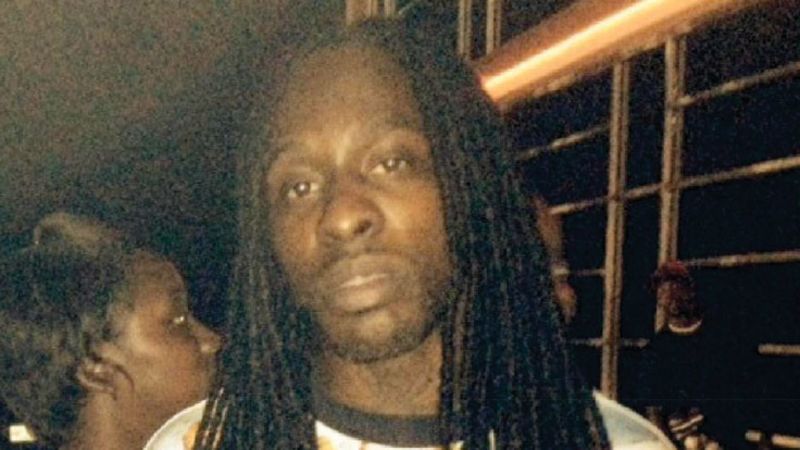
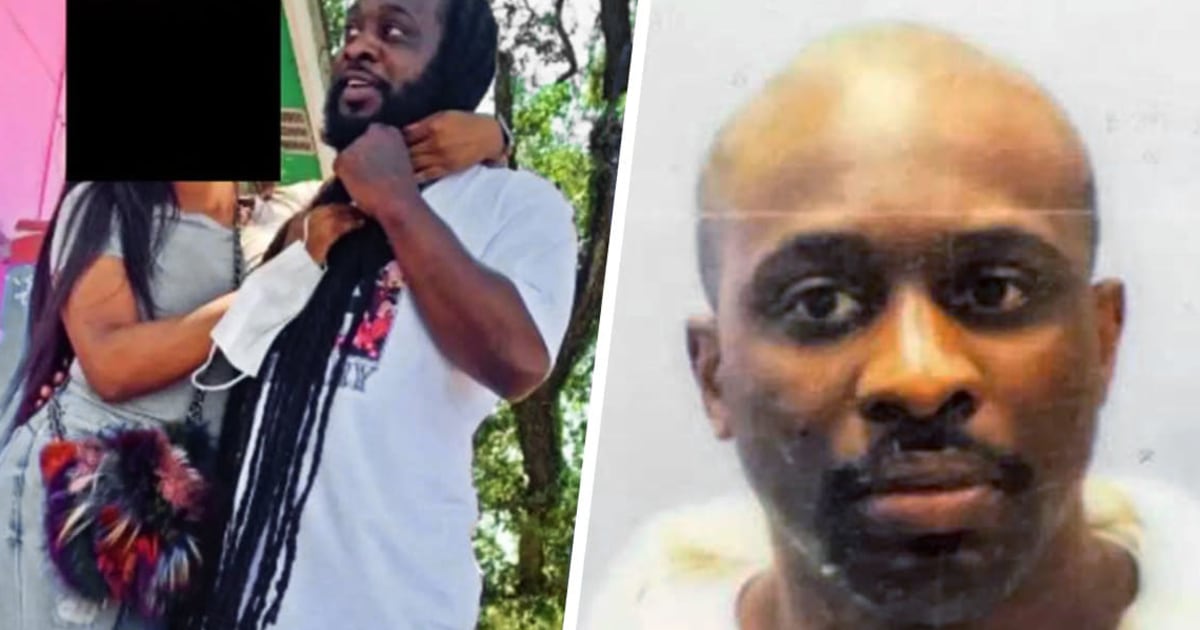
The incident occurred in 2020 at the Raymond Laborde Correctional Center. Landor, serving a sentence for a drug offense, was subjected to a forced haircut despite presenting prior court documentation indicating that cutting Rastafarian dreadlocks violated religious rights. His adherence to a Nazirite vow, prohibiting hair cutting for 20 years, underscored the religious significance of his objection.
This decision marks a departure from a recent trend where the conservative majority has often supported religious claims. Instead, the Court prioritized a strict textualist interpretation of statutory enforcement mechanisms, particularly regarding the knowledge and intent required for liability under RLUIPA.
The practical consequence of this ruling is an increased burden of proof for inmates pursuing religious accommodation claims. Future litigation under RLUIPA and similar statutes will likely face heightened scrutiny regarding the specific knowledge of federal law held by individual correctional officials, potentially curtailing recourse for those whose religious practices are infringed.
Advocacy groups focused on prison-based religious liberties may need to shift strategies. Emphasis might move towards legislative advocacy for clearer statutory language or direct engagement with correctional administrations to bolster compliance with religious accommodation policies, rather than relying solely on judicial remedies.
The Court’s focus on the lack of official awareness of federal mandates raises concerns about the efficacy of federal protections’ dissemination and implementation within state and local government structures. This suggests a potential gap in how federal mandates are communicated and enforced at the operational level.
Furthermore, the ruling may influence the interpretation of other federal statutes allowing for private rights of action, particularly concerning the scope of liability for state and local actors. The Court’s cautious approach to implied consent to regulation, based on indirect federal funding, could establish a precedent for future cases involving federal oversight of state activities.
The ideological split underscores a broader societal debate on the extent of religious freedom protections against governmental interference, particularly within correctional settings. The conservative majority’s emphasis on statutory interpretation and congressional intent contrasts with the liberal dissent’s focus on the substantive protection of religious exercise.
This decision could spur further litigation challenging RLUIPA’s scope and enforcement as legal advocates assess its impact. Lower courts will now navigate the implications of this ruling on existing and future religious accommodation cases.
The ruling implicitly highlights how judicial interpretation shapes civil rights landscapes. By narrowing enforcement avenues, the Supreme Court has altered the leverage available to individuals protecting religious freedoms against institutional actions.
The specific context of prisons, where individual liberties are inherently curtailed, adds complexity. The ruling suggests increased deference to correctional facilities’ operational needs and administrative structures when balancing rights against security concerns.
For religious communities, this ruling may necessitate re-evaluating legal engagement strategies for adherents in institutional settings. The emphasis on explicit statutory authorization for lawsuits implies a need for more direct advocacy and potential legislative amendments to strengthen protections.
Financial implications for correctional systems may arise; reduced litigation risk could lessen perceived costs of accommodating religious practices, though this might be offset by increased policy revision or advocacy costs.
The Court’s decision reinforces the principle that statutory rights require clear establishment and actionable claims. The focus on local officials’ awareness of federal law suggests ignorance of the law, even federal mandates, can serve as a defense against liability.
This case sharpens the focus on the tension between broad First Amendment religious freedom principles and the specific, complex statutory frameworks designed to implement and enforce them.
The ruling’s impact extends beyond the immediate parties, establishing a precedent for applying federal religious freedom statutes in state and local institutions. It signals a judicial inclination towards textualist statutory interpretation, potentially limiting expansive rights-based litigation.
The Court’s reference to this as a “rare instance” of the conservative majority ruling against a religious claim suggests that while the Court’s general posture may favor religious claims, specific legal and statutory arguments shaped this outcome.
The ruling’s emphasis on the lack of explicit congressional authority for individuals to sue in such circumstances aligns with a broader judicial trend scrutinizing private enforcement of federal rights against state and local governments.
Ultimately, this Supreme Court decision redefines the boundaries of religious accommodation in correctional facilities, emphasizing procedural hurdles for individuals seeking legal redress for alleged religious rights violations.