A Paradigm Shift in Late-Night Broadcast Economics
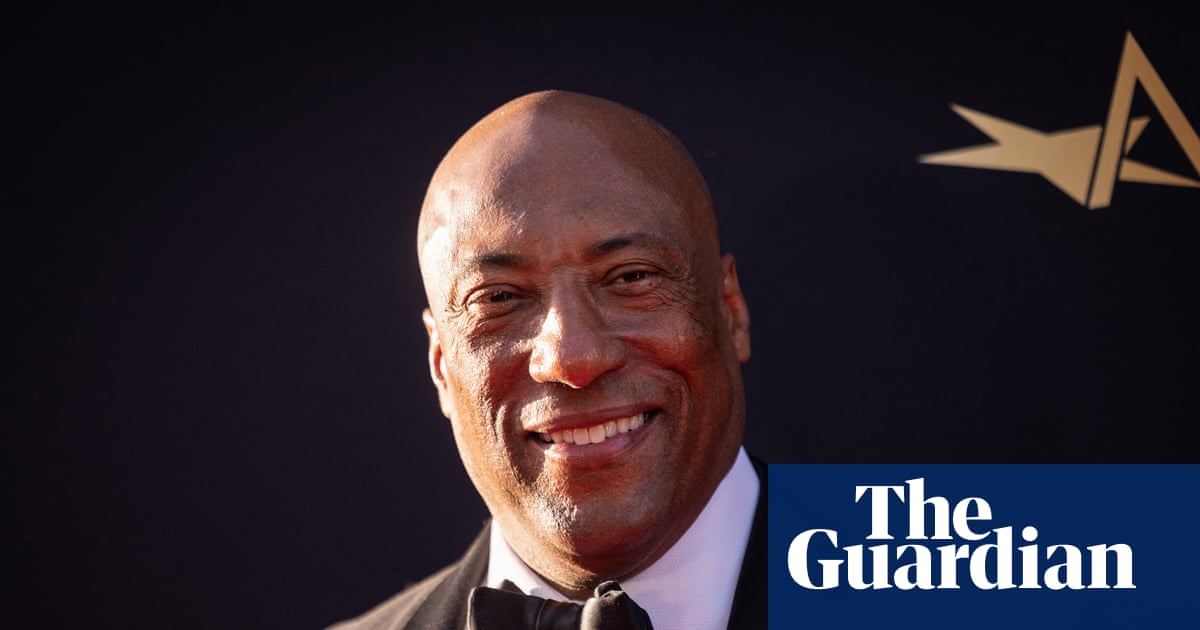
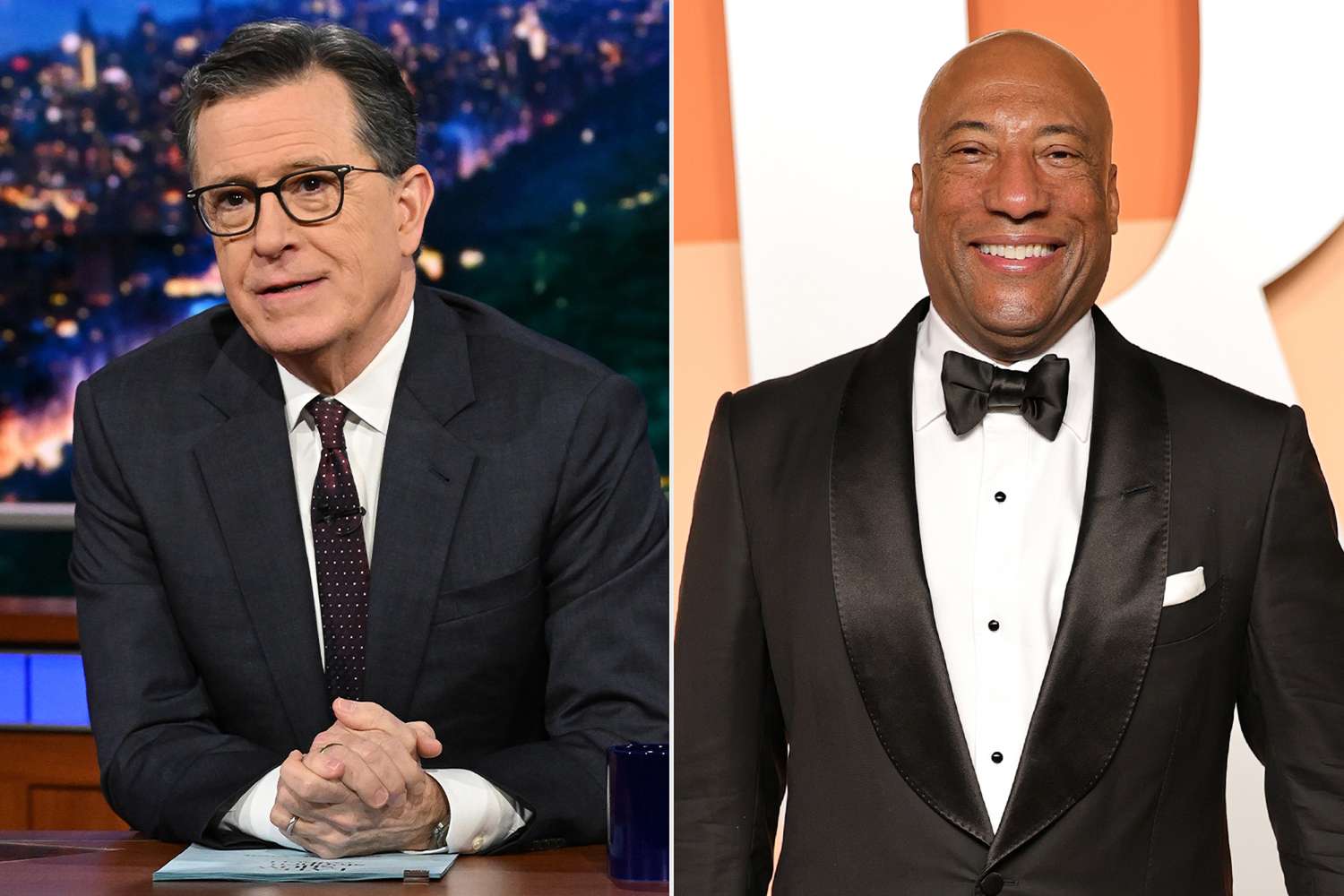
CBS has initiated a profound shift in its late-night programming strategy, replacing “The Late Show With Stephen Colbert” at the 11:35 PM time slot with Byron Allen’s “Comics Unleashed.” This transition, effective May 22, 2026, introduces an unprecedented financial arrangement that fundamentally redefines the traditional network-producer relationship and broadcast monetization models.
Unlike standard industry practice where networks compensate hosts for content, Byron Allen, 65, will directly pay CBS for the prime time slot through a 16-month lease agreement. This innovative structure grants Allen Media Group (AMG) direct and complete control over advertising sales for his show, thereby fundamentally altering the revenue distribution model for a national broadcast property. This reverse compensation model challenges decades of broadcast convention, signaling a significant re-evaluation of network asset value and content financing.
CBS’s Strategic De-risking and Profit Optimization
CBS executives have publicly framed this landmark deal as a strategic move towards “immediate profitability” for the network, citing financial imperatives for the cancellation of “The Late Show.” While some observers have speculated on underlying political motivations, CBS’s stated rationale unequivocally emphasizes a strategic financial recalibration aimed at optimizing the network’s financial performance.
The financial architecture of this agreement allows CBS to offload the substantial production costs, talent salaries, and inherent advertising sales risks typically associated with a flagship late-night program. By securing a guaranteed 16-month lease payment, the network ensures a predictable, de-risked revenue stream for a valuable 11:35 PM time slot, effectively mitigating exposure to fluctuating advertising markets and content performance variability.
This strategic pivot aligns with broader industry imperatives for legacy broadcasters to optimize asset utilization and stabilize financial performance in a fragmented media landscape. It signifies a prioritization of direct, predictable lease income over the higher-cost, higher-risk investment in traditional in-house productions, thereby transforming a potential cost center into a guaranteed profit stream for the network.
Byron Allen’s Vertical Integration and Media Empire Expansion
For Byron Allen, the acquisition of this CBS time slot represents a calculated and significant expansion within his broader strategy of aggressive media asset accumulation and vertical integration. His Allen Media Group gains direct, unimpeded access to a national broadcast audience, a critical component for scaling content distribution and enhancing brand visibility across his burgeoning portfolio.
The ability to control 100% of the advertising inventory for “Comics Unleashed” provides Allen with direct monetization leverage, bypassing traditional network intermediaries and maximizing revenue capture from his content. This strategically positions him as both a significant content producer and a direct national distributor, thereby consolidating market power and increasing negotiating leverage with advertisers.
This move follows Allen’s recent acquisition of a majority stake in BuzzFeed, a deal potentially valued at $120 million. Such investments underscore a consistent pattern of leveraging substantial capital to acquire, revitalize, and integrate diverse media properties across linear and digital platforms. Allen’s overarching strategy is to construct a diversified media empire that meticulously controls both content creation and its myriad distribution channels, aiming to generate synergistic value, optimize revenue streams, and expand audience reach across a cross-platform ecosystem.
Reconfiguring Late-Night Content and Audience Segmentation
Allen’s “Comics Unleashed,” a comedy panel show with a two-decade history that previously aired immediately after Colbert, explicitly promises “no politics.” This declaration signals a deliberate strategic pivot away from the politically charged discourse that has characterized much of contemporary late-night television.
This apolitical stance represents a calculated effort to target a potentially underserved audience segment—one likely fatigued by partisan commentary and actively seeking purely entertainment-focused content. It sharply differentiates “Comics Unleashed” from established late-night offerings, creating a distinct value proposition in a saturated and often polarized market.
The decision reflects an astute understanding of evolving audience preferences and the potential for successful market segmentation within a highly competitive media environment. Allen is not attempting to replicate Colbert’s viewership but rather to cultivate a new base with distinct expectations for late-night programming, focusing on broad appeal and escapism.
From a competitive standpoint, this introduces a novel form of content differentiation into the late-night arena, potentially compelling other networks and hosts to re-evaluate their own content strategies and audience engagement models. It challenges the long-standing assumption that political commentary is a prerequisite for late-night relevance and mass appeal in modern broadcasting.
Broader Industry Implications: A Blueprint for Broadcast Monetization
The CBS-Allen deal provides a potential blueprint for how traditional broadcasters might navigate declining linear advertising revenues and escalating content costs in an era of digital disruption. By strategically shifting the financial burden of content acquisition, production, and monetization to external producers, networks can significantly enhance operational efficiency and financial stability.
This model allows CBS to maintain a full programming schedule in a high-value time slot without the direct financial outlay for production, talent salaries, or the inherent risks of ad sales. It transforms a traditional cost center into a guaranteed, predictable revenue stream, immediately bolstering the network’s bottom line and providing crucial medium-term financial certainty during a period of profound industry transformation. This predictability is particularly attractive to publicly traded media companies facing shareholder pressure for consistent financial performance.
Such arrangements could become increasingly prevalent as networks seek to optimize their asset portfolios and reduce direct operational exposure to the volatile economics of content creation. It represents a strategic divestment of operational risk while retaining the core value of broadcast distribution and invaluable audience reach.
The implications of this deal extend across the media ecosystem:
- For CBS shareholders, the immediate profitability and reduced financial risk are clear benefits, potentially enhancing investor confidence in the network’s adaptability.
- For independent content producers with significant capital, this model offers a new, direct pathway to national distribution, enabling them to monetize content and build brand equity without traditional network gatekeepers. It empowers producers willing to assume greater financial and operational responsibility.
- Conversely, traditional production houses reliant on network funding may face increased pressure as networks explore more revenue-sharing or lease-based models, necessitating a recalibration of their business and financing structures.
- Advertisers will now engage directly with Allen Media Group for “Comics Unleashed” inventory, potentially leading to more flexible or customized advertising packages and influencing broader media buying strategies for late-night audiences.
This transaction is not an isolated event but rather a critical manifestation of the ongoing, profound transformation within the media industry, driven by pressure from streaming services, digital platforms, and evolving consumer habits. The strategic interplay between Allen’s digital acquisitions, such as BuzzFeed, and his investment in linear broadcast distribution underscores a holistic, cross-platform approach to media ownership, aiming to capture audiences wherever content is consumed.
Ultimately, the replacement of a long-standing, politically engaged late-night show with an apolitical, self-funded comedy panel program on a major network signifies a potential recalibration of what constitutes valuable content and how it is financed and distributed in the modern media landscape. Its success or failure will offer crucial insights into the future trajectory of broadcast television and independent media ventures.