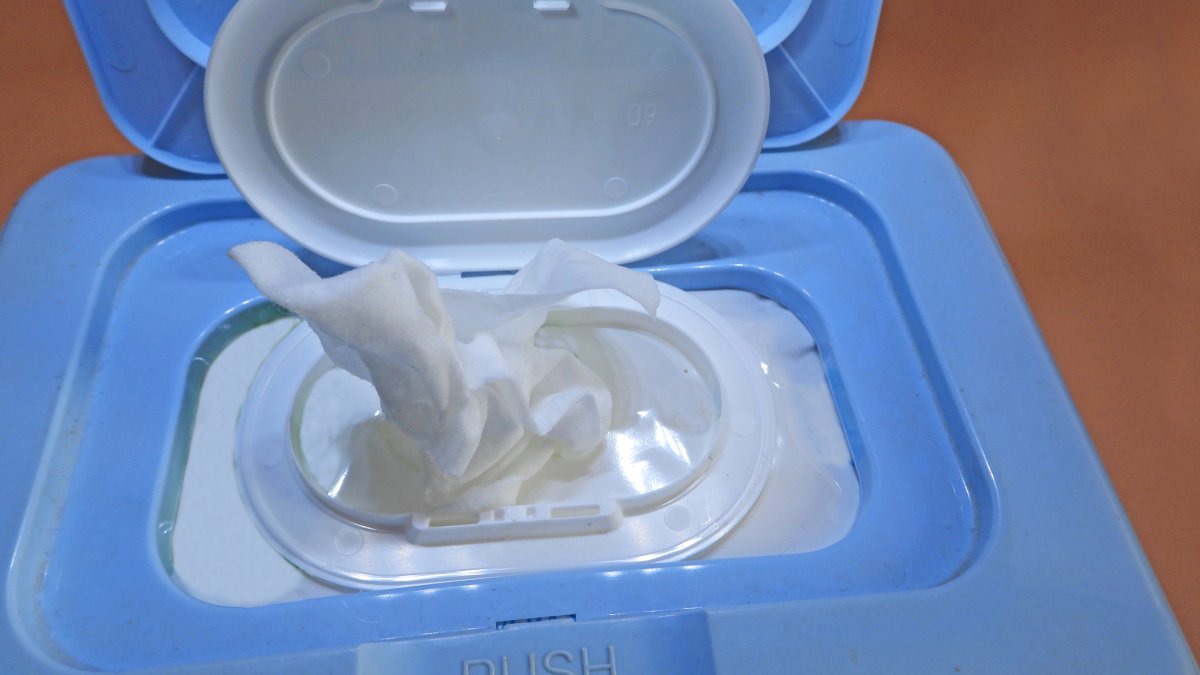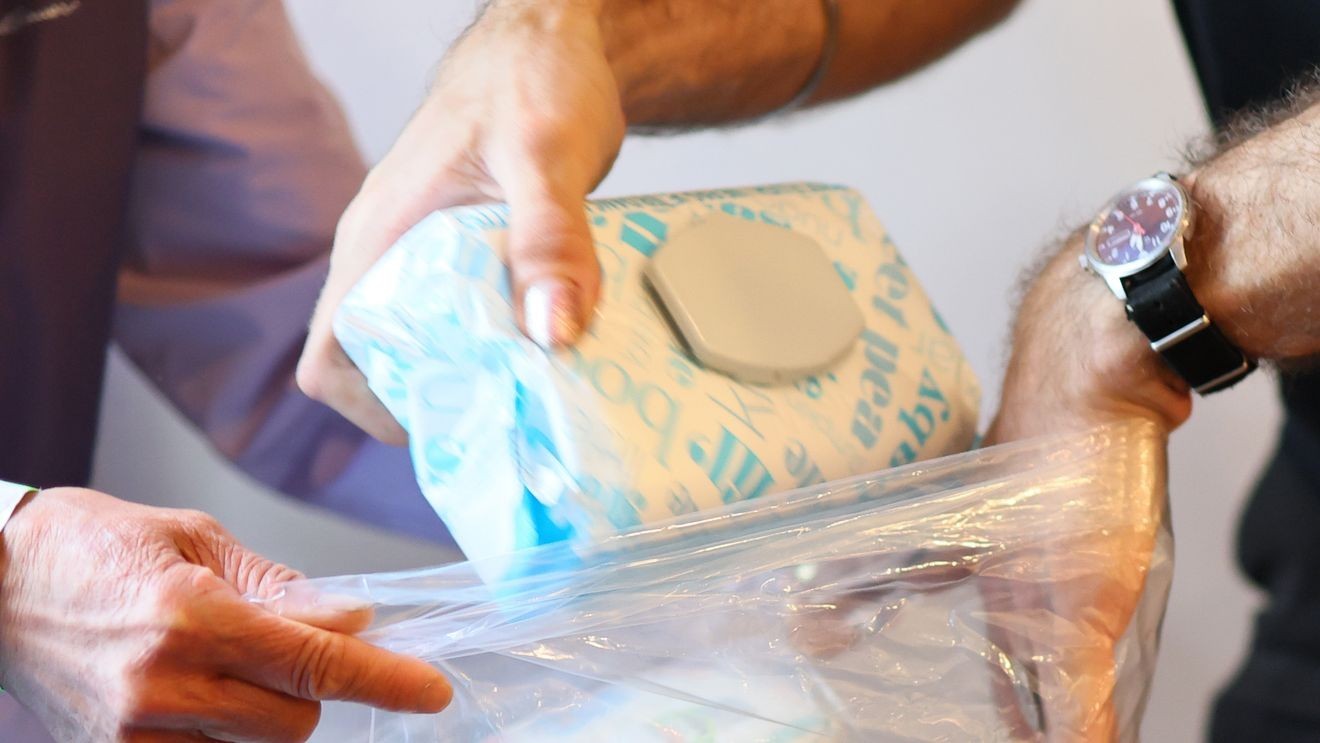
The voluntary recall of Target’s Up & Up private-label baby wipes highlights a critical point of vulnerability in consumer packaged goods (CPG) supply chains. By withdrawing both fragrance-free and cucumber-scented variants from nationwide distribution, the retailer is addressing an acute microbiological hazard. This corrective action, coordinated with the Food and Drug Administration (FDA), underscores the systemic difficulties of maintaining sterile manufacturing conditions and preservative efficacy in high-volume personal care formulations.
The recall sequence began after sentinel customer complaints regarding physical product discoloration prompted investigative laboratory testing. Microbiological analysis confirmed the presence of Burkholderia cepacia complex (Bcc) and Burkholderia gladioli within product lots, exposing a breakdown in current Good Manufacturing Practices (cGMPs). For a mass-market retailer heavily reliant on its proprietary private-label portfolio to drive consumer loyalty and premium margins, this failure carries significant operational, financial, and reputational liabilities.
Microbiological Profile and Preservative System Failures
The isolation of Burkholderia cepacia complex and Burkholderia gladioli in wet wipe formulations represents a severe industrial sanitation failure. These Gram-negative, obligate aerobic bacilli are opportunistic pathogens noted for their metabolic versatility and high resistance to chemical preservatives. Their survival and subsequent proliferation in water-based topical formulations suggest a failure of the product’s preservative system to withstand microbial challenge, or an exceptionally high initial bioburden during the compounding stage.
Burkholderia species thrive in moist environments and can form robust biofilms on manufacturing equipment, including water filtration systems and filling lines. Once established, these biofilms shed bacteria into product batches, rendering standard sanitization protocols ineffective. The presence of these pathogens in products intended for sensitive skin highlights the necessity of rigorous raw material testing and real-time microbiological monitoring throughout the production cycle.
Operational Analysis of Customer-Detected Product Anomalies
The escalation pathway of this recall reveals a reliance on retrospective, consumer-reported quality indicators rather than proactive, batch-level clearance. The initial signal did not originate from routine internal quality assurance audits, but rather from retail customers reporting visible product discoloration. Such visual anomalies are typically late-stage indicators of advanced microbial proliferation, signifying that the preservative systems had already been completely overwhelmed.
This delay between manufacturing contamination and market withdrawal highlights the vulnerability of real-time quality control monitoring. By the time a product exhibits visible mold or bacterial discoloration, it has bypassed distribution centers, reached store shelves, and entered consumer households. This lag increases consumer exposure windows, elevating clinical risk profiles and magnifying the retailer’s class-action and regulatory liabilities.
Strategic Vulnerabilities in Retail Private-Label Portfolios
Target’s Up & Up brand is a central pillar of the retailer’s margin-expansion strategy, designed to capture market share from national consumer brands. Private labels yield superior gross margins and foster institutional ecosystem lock-in. However, because these products carry the retailer’s exclusive branding, any quality control failure directly degrades the parent corporation’s brand equity.
When a private-label recall occurs, consumers do not differentiate between the retailer and the third-party contract manufacturer actually responsible for the formulation error. The brand equity of the entire Up & Up catalog—which spans hundreds of baby, household, and health products—faces immediate collateral damage. Risk-averse demographics, particularly parents, are highly likely to shift purchasing patterns to national brands, incurring long-term customer acquisition costs to win back their trust.
Clinical Pathology of Burkholderia in Pediatric Demographics
The FDA’s safety warning emphasizes the high risk of severe clinical outcomes in neonates, infants, and immunocompromised individuals exposed to Burkholderia species. Because pediatric demographics possess underdeveloped adaptive immune systems and fragile epidermal barriers, they are uniquely susceptible to systemic opportunistic infections.
Infant skin is thinner, more permeable, and highly prone to micro-abrasions, diaper rash, and localized dermatitis. When contaminated wipes are applied to compromised skin, these opportunistic pathogens can bypass the epidermal defense layer and enter the dermal vasculature. Once systemic, Burkholderia cepacia complex and Burkholderia gladioli can cause life-threatening bacteremia, severe pneumonia, or septic shock, requiring aggressive intravenous antibiotic therapy with complex resistance profiles.
Regulatory Dynamics of FDA-Monitored Voluntary Recalls
While classified as a voluntary recall, this action represents a structured regulatory process executed under close FDA oversight to preempt formal administrative mandates. Under federal guidelines, Target is required to submit a comprehensive recall strategy detailing depth of market penetration, distribution tracing, and immediate point-of-sale (POS) block protocols.
Although cosmetics and personal care products do not undergo pre-market approval like pharmaceuticals, manufacturers are legally prohibited from distributing adulterated or misbranded items under the Federal Food, Drug, and Cosmetic Act (FD&C Act). The presence of pathogenic bacteria constitutes clear product adulteration, giving the FDA broad authority to enforce corrective actions, conduct facility inspections of the contract manufacturer, and audit Target’s recall effectiveness.
Reverse Logistics and Retail Remediation Protocols
Executing a nationwide recall of a high-velocity SKU like baby wipes involves complex reverse-logistics coordination. Target must simultaneously halt sales across its vast physical retail footprint and digital commerce platforms, implementing software-level blocks to prevent purchase at self-checkout and traditional cash registers.
Simultaneously, distribution centers and retail stores must isolate, inventory, and quarantine existing stock to prevent accidental restocking. Managing returned units from consumers requires clear digital communication, customer service processing for refunds or store credits, and certified hazardous waste disposal protocols. These combined operational frictions, logistics costs, and inventory write-offs represent a significant near-term drag on operating margins.