The Shift Toward Algorithmic Vernacular
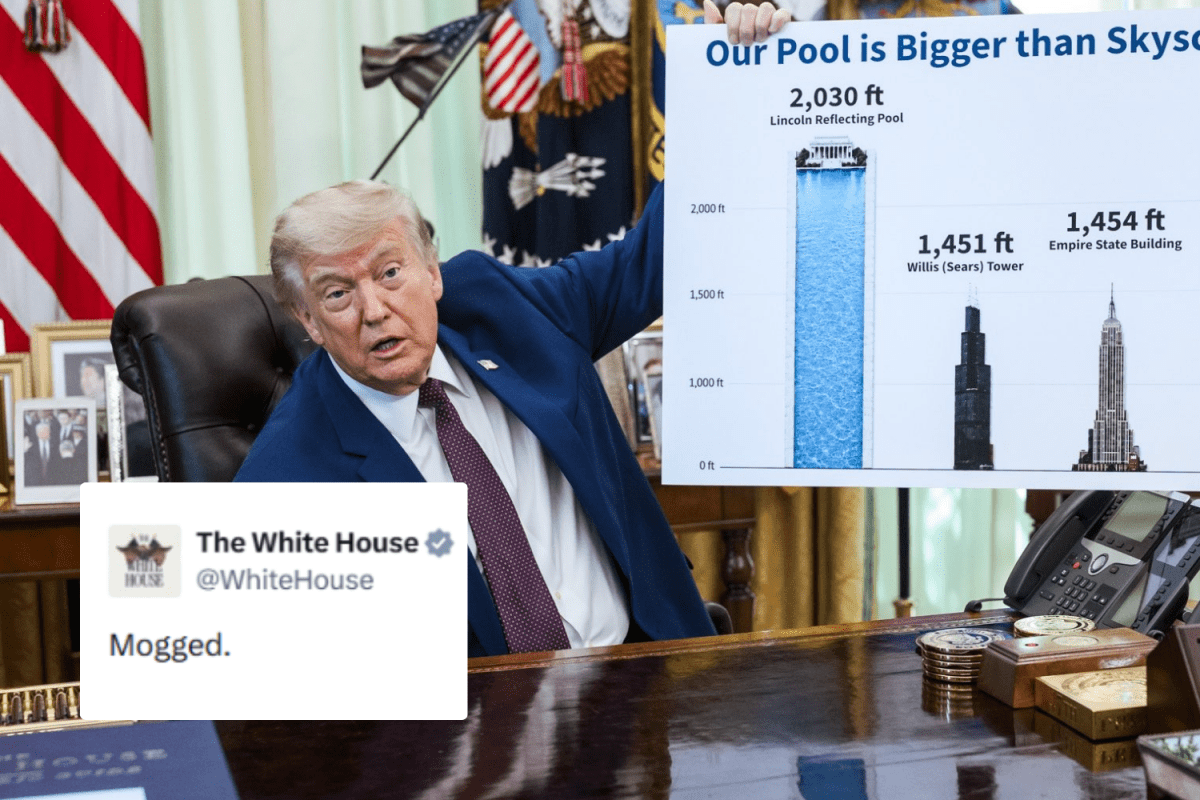
The integration of niche internet slang into official U.S. government social media marks a paradigm shift in institutional communication. By deploying terms such as ‘mogging’—the act of physically or socially outclassing others—and ‘auramaxxing’—the performative enhancement of one’s intangible charisma—federal agencies are pivoting toward the vernacular of digital-native demographics, specifically Gen Z and Gen Alpha.
This is not merely stylistic; it is a calculated attempt to bypass traditional media gatekeepers by optimizing content for algorithmic favorability. By adopting the high-velocity language of social media subcultures, government communications are seeking to maximize relevance within fragmented digital ecosystems.
Semantic Drift and Subcultural Origins
The term ‘mogging’ emerged from the ‘manosphere,’ specifically as an acronym for ‘man of group’ or denoting dominance in male hierarchies. While its origins are rooted in exclusionary and often misogynistic digital spaces, its current usage by government entities reflects a dilution of its original meaning. Once a precise descriptor of physical hierarchy within niche forums, the term has transitioned into a generalized, often ironic, expression of superiority.
This recontextualization—what linguists term semantic drift—highlights the volatility of digital language. As agencies adopt these terms, they inadvertently strip them of their original, often toxic, connotations, transforming them into sterilized placeholders for ‘engagement bait.’
Reputational and Institutional Risks
The adoption of ‘cringe’ slang by entities like the White House and the Department of the Interior has drawn sharp criticism regarding the erosion of administrative gravity. Critics argue that such informality undermines the neutral, dignified tone expected of state actors, effectively equating high-level governance with the disposable nature of ‘shitposting.’
From a strategy perspective, this approach invites significant reputational exposure. When official accounts echo language intrinsically linked to extreme physical modification subcultures, they risk accidental alignment with the values of those communities, regardless of whether the intent is tongue-in-cheek or ironic.
Strategic Implications of ‘Aura’
The Department of the Interior’s use of ‘auramaxxing’ to frame the restoration of monuments illustrates an attempt to modernize public perception of heritage projects. By mapping the digital concept of ‘aura’ onto historical infrastructure, the agency tries to collapse the distance between legacy institutions and contemporary digital consumption habits.
This strategy relies on the audience’s ability to decode the irony. However, this creates a structural vulnerability: the institutional message is frequently sidelined by the controversy surrounding the medium. When the ‘cringe’ factor overrides the policy announcement, the agency’s strategic intent is diluted by the very virality it sought to capture.
The Prioritization of Engagement Over Decorum
The proliferation of these posts suggests that social media managers are prioritizing engagement metrics over traditional administrative decorum. In the modern attention economy, the ability to generate viral engagement is treated as a primary performance indicator. The long-term consequence of this trend is the gradual blurring of the lines between political campaigning, which relies on populist signaling, and official government administration, which is expected to maintain impartial stability.
Conclusion: The Future of Digital Statecraft
The controversy surrounding the institutional use of slang highlights a fundamental tension: the necessity of relevance in a competitive attention economy versus the mandate to uphold state neutrality. By absorbing the language of the ‘manosphere,’ the state validates the discourse of fringe subcultures, reinforcing a feedback loop between niche internet rhetoric and mainstream power.
As institutional trust remains a critical concern, the long-term viability of these tactics depends on whether they successfully engage the public or merely cheapen the office of the state. For now, the adoption of ‘mogging’ stands as a case study in how digital subcultures are forcing the highest levels of government to adapt to an environment where the medium increasingly dictates the nature of the message itself.