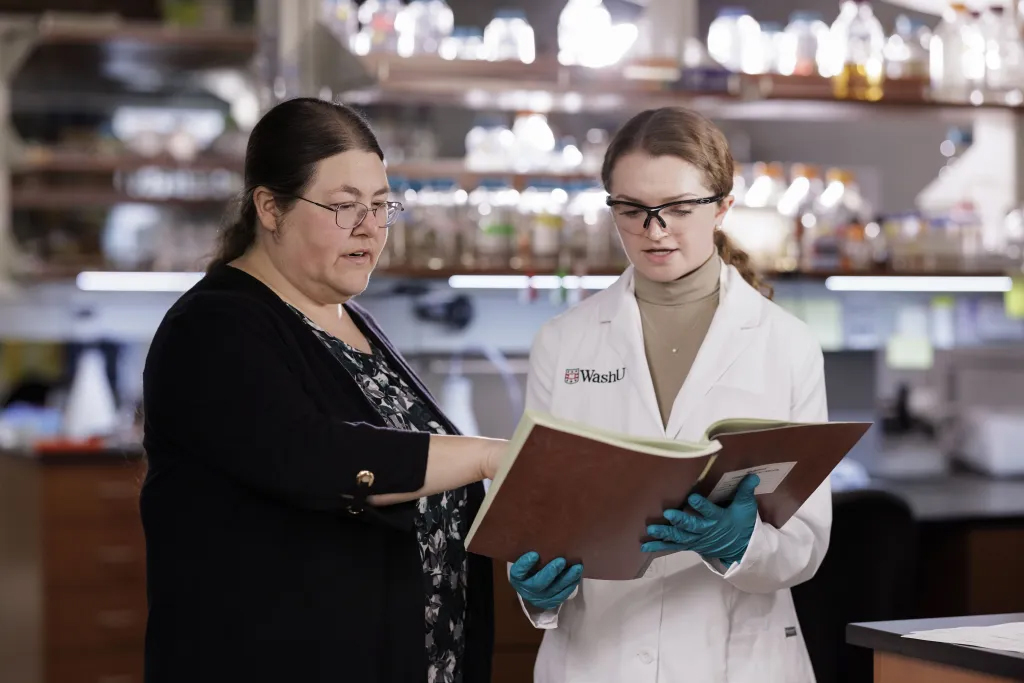
Accelerating Proteotherapeutic Discovery: The Jackrel Lab Breakthrough
Recent developments at Washington University in St. Louis mark a pivotal transition from manual enzyme characterization to high-throughput kinetic modeling. By engineering variants of Hsp104—a yeast-derived disaggregase—the Jackrel lab has established a scalable methodology to dismantle the protein aggregates central to Parkinson’s and ALS. Published in Molecular Cell, this research optimizes the screening of thousands of enzyme variants, effectively neutralizing a historical bottleneck in proteotherapeutic development.
The strategic utility of Hsp104 lies in its evolved capacity to mitigate proteotoxicity. By repurposing this mechanism for human therapeutic application, researchers can now iterate on structural designs with unprecedented granularity. This shift from exploratory academic research to a standardized screening benchmark facilitates the identification of potent disaggregase variants that maintain cellular stability while aggressively targeting misfolded protein species.
Industrial Convergence and the Commercialization Pipeline
The migration of lead author Jeremy Ryan from the Jackrel lab to a scientific role at Bayer exemplifies the tightening feedback loop between academic innovation and pharmaceutical commercialization. This transition functions as a market signal, validating the industrial viability of rapid-screening platforms for neurodegenerative drug discovery. Academic institutions are increasingly operating as high-velocity incubators for technologies destined for integration into global life sciences frameworks.
This collaborative ecosystem—spanning graduate researchers to multi-national firms—ensures the long-term sustainability of complex protein chemistry studies. By decentralizing the expertise required for disaggregase engineering, the industry can apply these methodologies to a broader spectrum of proteopathic conditions, diversifying the pipeline of clinical candidates for cognitive and motor decline.
‘Onwards and Sideways’: Strategic Communication as Advocacy
The BBC’s production of Onwards and Sideways, directed by John Madden and starring Rhys Ifans and Laura Linney, represents a calculated escalation in health-focused media. By leveraging high-profile talent and the prestige of the BBC, the project shifts the Parkinson’s narrative from clinical observation to a high-visibility cultural event. This institutional weight is essential for commanding prime-time distribution and fostering international dialogue on neurodegeneration.
Filmed in North Norfolk, the narrative centers on the structural disruption of a diagnosis for two high-functioning professionals: a deputy headteacher and a pianist. This choice challenges reductionist stereotypes, illustrating how the condition impacts the socioeconomic and professional fabric of the workforce. The involvement of Kaleidoscope Film Distribution further underscores the project’s global market potential and its role in harmonizing public perception across diverse healthcare contexts.
Authenticity and the Socioeconomic Impact of Lived Experience
Writer Paul Mayhew-Archer, who lives with Parkinson’s, provides the script with an analytical depth often missing from dramatized medical narratives. His dual role as writer and cast member ensures that the production accurately reflects the psychological and motor complexities of the disease. By aligning the film with Mayhew-Archer’s established advocacy and podcasting networks, the project achieves a level of social penetration that transcends traditional broadcasting.
This synergy between technical scientific progress and authentic cultural storytelling creates a holistic advocacy model. While laboratory breakthroughs provide the tools for future intervention, high-stakes media content generates the political and philanthropic will necessary to fund them. Ultimately, this coordinated approach reduces the stigma of diagnosis, encouraging earlier clinical participation and accelerating the path toward comprehensive therapeutic solutions.