
A Structural Transformation in Professional Tennis
The 2026 French Open semifinals represent a defining inflection point, characterized by the complete absence of former Grand Slam champions. This vacancy underscores a broader volatility within the sport’s hierarchy, where physical attrition and tactical shifts are dismantling the dominance of established incumbents.
The Emergence of the New Guard
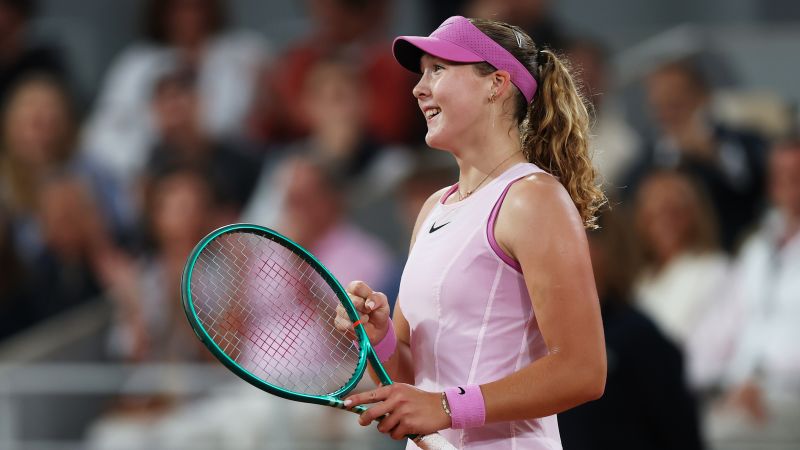
Marta Kostyuk’s semifinal arrival marks a historic milestone for Ukrainian tennis at Roland Garros. Her progression validates a decade of professional development, contrasting with the presence of Diana Shnaider and Maja Chwalinska, who exemplify the depth of the emerging talent pool. Shnaider’s tactical composure under pressure demonstrates a sophisticated level of match management that is redefining performance benchmarks for the next generation.
Tactical Evolution as a Differentiator
The match between Shnaider and Chwalinska highlights the increasing premium on tactical versatility. By employing specialized techniques such as slices and refined dropshots, Chwalinska forces an adaptation to unconventional rhythms, systematically neutralizing the power-centric playstyles that historically dictated major outcomes. This evolution necessitates a recalibration of training protocols, where mid-match adjustments are becoming the primary determinant of elite viability.
Market and Institutional Dynamics
The lack of traditional marquee winners presents an immediate challenge for the sport’s commercial ecosystem. Stakeholders are forced to accelerate the elevation of emerging narratives to sustain engagement levels and sponsorship interest. This transitional period exposes the underlying fragility of a tour where injury-related turnover remains high, placing pressure on governing bodies to stabilize institutional interest through long-term narrative investment.
Psychological Resilience and Strategic Execution
Success in a maiden Grand Slam semifinal requires profound mental discipline. Athletes like Shnaider, who prioritize process-oriented execution over external market expectations, are better positioned to secure sustained success. In an era characterized by razor-thin competitive margins, this psychological resilience is becoming as vital as physical endurance for determining the future landscape of the sport.
Photo by marksontennis on Pixabay.