Veteran Perspective on Rookie Development
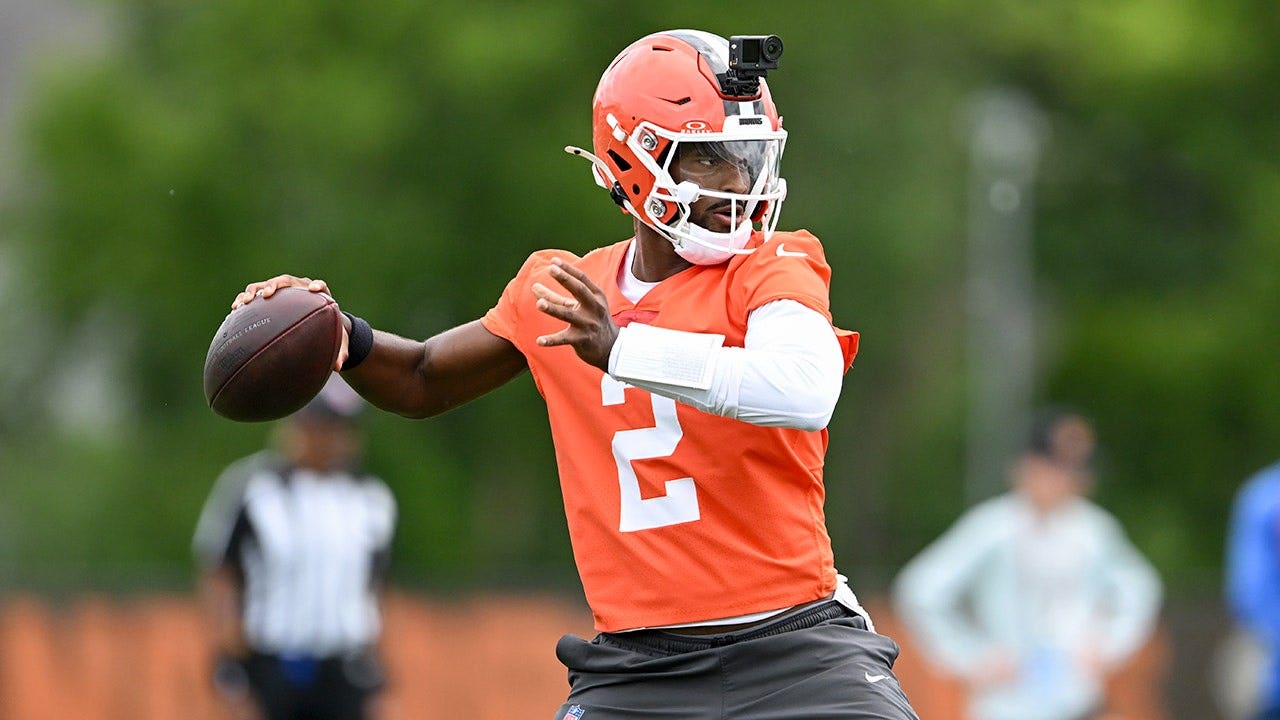
Joe Flacco’s candid remarks regarding Shedeur Sanders’ choice to wear a helmet visor during practice, as documented in Netflix’s ‘Quarterback’ series, illuminate a critical aspect of NFL quarterback development: the prioritization of substance over style. Flacco, entering his 19th season, represents a generational bridge, emphasizing foundational skills like reading defenses and playbook navigation over aesthetic choices that may not directly contribute to on-field performance.
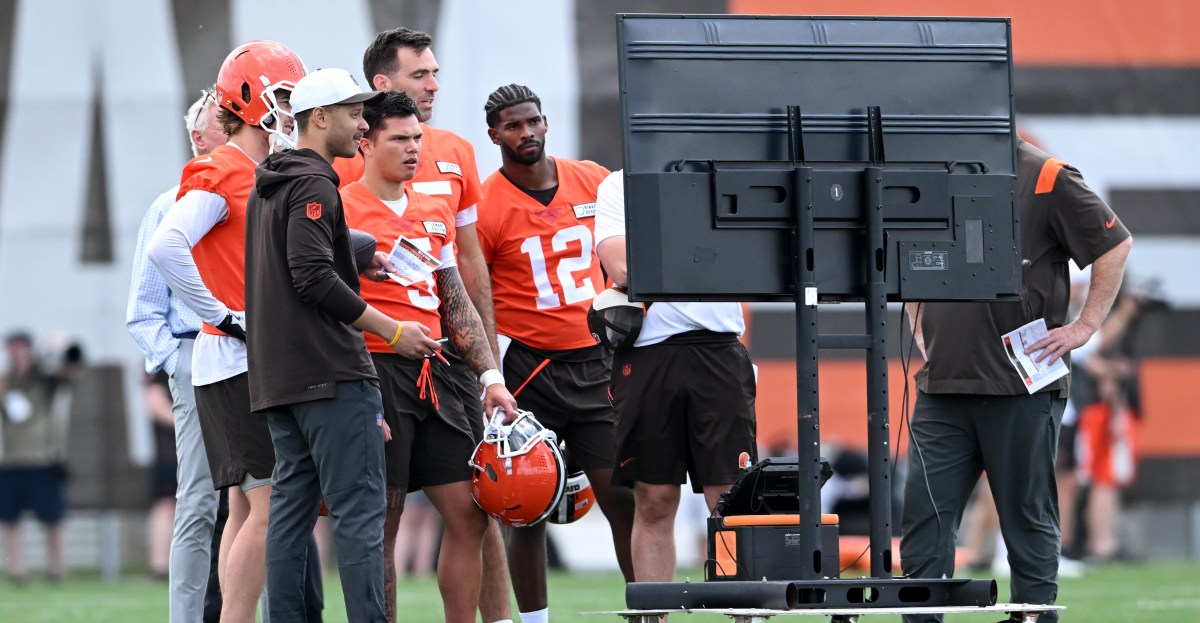
The Cleveland Browns’ 2025 quarterback room, featuring veterans like Flacco and Kenny Pickett alongside rookies Dillon Gabriel and Shedeur Sanders, presented a unique developmental crucible. Flacco’s role extended beyond mere mentorship; it involved imparting hard-won wisdom on navigating the league’s complexities, a process he believes is undermined by superficial distractions like tinted visors in practice settings.
Strategic Implications of Mentorship Dynamics
Flacco’s critique of Sanders’ visor choice reflects a deeper strategic imperative within NFL organizations. The significant investment in rookie quarterbacks, particularly those with high draft capital, necessitates a rigorous developmental pathway focused on maximizing their potential. Veteran presence, therefore, serves a dual purpose: providing immediate on-field stability and, more crucially, instilling the professional discipline required for long-term success.
The incentive structure for veteran quarterbacks like Flacco in such roles is complex. While their on-field playing time may diminish, their value to the franchise can be amplified through effective mentorship, potentially extending their careers and influencing organizational culture. This dynamic positions them as crucial conduits for transferring institutional knowledge and operational best practices to the next generation of talent.
Competitive Landscape and Performance Leverage
The competitive leverage derived from a well-developed quarterback room is immense, directly impacting a team’s Super Bowl aspirations. Flacco’s emphasis on “substance over style” suggests a belief that foundational football IQ and execution are paramount, especially for young players still acclimatizing to the NFL’s speed and complexity. This perspective challenges the growing trend of stylistic embellishments that may not translate into tangible performance gains.
For teams like the Browns, who have invested heavily in developing rookie talent, the operational efficiency of their quarterback development program is a key performance indicator. Flacco’s outspokenness, captured for public consumption, highlights internal dialogues and cultural norms that shape this development, potentially influencing how other franchises approach similar situations and their capital allocation to veteran mentorship.
Generational Divide and Cultural Norms
The divergence in perspective between a seasoned veteran like Flacco and a rising star like Sanders underscores a broader generational shift within professional sports. While younger athletes often embrace evolving trends in personal branding and presentation, veterans like Flacco often adhere to a more traditional ethos, prioritizing the unglamorous work that underpins consistent performance. This cultural friction is a recurring theme in high-stakes professional environments.
The visibility afforded by a docuseries like ‘Quarterback’ amplifies these interpersonal dynamics, offering stakeholders—fans, media, and other league personnel—insight into the human element of professional sports. It reveals the underlying philosophies guiding player development and the subtle yet significant ways veteran influence can shape the trajectory of promising careers.
Media Narratives and Stakeholder Perceptions
The narrative surrounding the Browns’ 2025 quarterback room, as portrayed in the Netflix series, transcends simple sports reporting. It delves into the intricacies of team dynamics, leadership styles, and the often-unseen pressures faced by players at the highest level. Flacco’s directness in addressing Sanders’ choice contributes to a larger story about the expectations placed upon NFL quarterbacks.
This media exposure can significantly shape stakeholder perceptions. For the Browns organization, it offers a window into the effectiveness of their developmental strategies and the impact of their veteran acquisitions. For fans, it provides a more intimate understanding of the player experience, influencing their engagement with the team and their evaluation of individual player performance and character.
Institutional Investment and Future Strategy
Strategic decisions by NFL franchises regarding quarterback development have profound long-term implications for competitive standing and financial viability. The presence of a veteran like Flacco, with his experience and willingness to offer blunt feedback, represents a calculated investment in shaping the future of the quarterback position within the team, aiming to mitigate the inherent risks associated with developing young, unproven talent.
The narrative emerging from the Browns’ QB room suggests a deliberate organizational philosophy that values seasoned guidance. This approach, if successful, can yield significant returns by accelerating player maturation, reducing costly developmental missteps, and ultimately enhancing on-field performance, thereby justifying capital expenditure on both veteran leadership and rookie potential.
Performance Leverage and Operational Efficiency
The operational efficiency of a quarterback room directly correlates with its ability to foster growth and prepare players for the demands of NFL competition. Flacco’s emphasis on fundamental execution, as opposed to stylistic flourishes, points to a performance-driven mindset seeking to maximize every practice rep and film study session. This focus is critical for optimizing the learning curve of rookie quarterbacks.
By advocating for a stripped-down, functional approach to on-field preparation, Flacco implicitly argues for a more direct path to performance leverage. This perspective suggests that focusing on the core mechanics of the game, rather than external affectations, is the most efficient way to unlock a player’s full potential and ensure consistent, high-level output under pressure.
Capital Allocation and Talent Development
The financial capital invested in NFL quarterbacks, particularly top draft picks, necessitates a robust framework for talent development. Organizations must ensure their investments translate into on-field success, and veteran mentorship plays a pivotal role. Flacco’s role with the Browns exemplifies how experienced players can serve as crucial assets in this capital allocation strategy.
His willingness to engage in direct, critical feedback signifies a commitment to the developmental process that extends beyond contractual obligations. This proactive approach to talent cultivation can significantly de-risk the substantial financial outlays associated with building a franchise quarterback, enhancing the overall return on investment for the team’s ownership and stakeholders.
Competitive Positioning and Franchise Trajectory
A team’s ability to consistently produce high-caliber quarterbacks is a fundamental determinant of its long-term competitive positioning. The dynamics within the Browns’ quarterback room, as highlighted by Flacco’s commentary, offer a glimpse into the cultural underpinnings that can either foster or hinder this critical developmental process. The emphasis on foundational skills suggests a strategic intent to build a sustainable competitive advantage.
By prioritizing a no-nonsense approach to player preparation, the organization signals a commitment to a philosophy that values enduring performance metrics over fleeting trends. This strategic orientation can significantly influence the franchise’s trajectory, potentially leading to more consistent success and a stronger market position within the highly competitive NFL landscape.
Cultural Impact and Industry Benchmarking
The insights gleaned from Flacco’s interactions with younger quarterbacks, particularly those captured by media, can serve as a benchmark for industry-wide developmental practices. His outspokenness on issues like the helmet visor can spark broader conversations about the values and priorities that should guide player growth in professional sports.
This cultural impact extends beyond individual teams, influencing how coaching philosophies are evaluated and how media frames the narrative around player development. It underscores the enduring relevance of veteran experience in shaping the future of athletic performance and the professional conduct expected of elite competitors.
Risk Mitigation and Performance Optimization
For NFL franchises, the development of young quarterbacks is inherently fraught with risk. Missteps in training or an overemphasis on superficial aspects can lead to significant performance deficits and wasted investment. Flacco’s critique of the helmet visor can be interpreted as a strategic effort to mitigate these risks by steering Sanders toward a more performance-oriented mindset.
This operational focus on optimizing performance through disciplined practice and a clear understanding of priorities is a hallmark of successful organizations. It suggests a deliberate strategy to ensure that talent development is aligned with the ultimate goal of achieving on-field success, thereby maximizing the return on the significant capital invested in these players.
Stakeholder Value and Long-Term Viability
The long-term viability of an NFL franchise is intrinsically linked to its ability to consistently field competitive teams, with quarterback play being a central determinant. Flacco’s role as a mentor, and his candid feedback, contributes to overall stakeholder value by enhancing the probability of developing successful quarterbacks. This, in turn, bolsters the team’s market appeal and financial stability.
The narrative of veteran guidance shaping rookie potential, as exemplified by Flacco’s interactions, reinforces the importance of institutional knowledge transfer. This process is crucial for maintaining a competitive edge and ensuring the franchise remains a valuable asset for its ownership, investors, and fan base over the long term.
Strategic Imperatives in an Evolving League
The NFL is a constantly evolving league, with new trends and technologies emerging regularly. However, as Flacco’s commentary suggests, certain foundational principles of the game remain constant. His emphasis on substance over style reflects a strategic imperative to ensure that the core tenets of quarterback play are not overshadowed by superficial developments.
This perspective highlights the ongoing tension between innovation and tradition within professional sports. For organizations seeking sustained success, the challenge lies in integrating new approaches without compromising the fundamental skills and discipline that have historically defined elite performance, a balance Flacco appears to champion.
Operational Discipline and Performance Outcomes
The connection between operational discipline and on-field performance is undeniable in professional football. Flacco’s admonishment of Sanders’ helmet visor choice serves as a microcosm of a broader philosophy that links attention to detail in practice with success in games. This focus on disciplined execution is a critical driver of consistent performance outcomes.
By advocating for a more utilitarian approach to practice attire, Flacco implicitly argues for a mindset that prioritizes function over form. This operational discipline, when instilled in young players, can foster a more robust foundation for their development, ultimately leading to improved performance metrics and a greater capacity to execute under pressure.
Competitive Dynamics and Player Evaluation
The evaluation of player talent and potential within the NFL is a complex process influenced by numerous factors. Veteran perspectives, such as Flacco’s, offer a valuable lens through which to assess not only raw ability but also the professional maturity and decision-making capabilities of emerging stars. His critique of the visor can impact how Sanders is perceived by coaches and executives.
This type of candid feedback, especially when delivered by a respected veteran, can subtly influence the competitive dynamics within a team and across the league. It underscores the importance of a holistic approach to player evaluation that considers character and commitment to the craft, in addition to physical attributes and statistical performance.
Capital Deployment and Return on Investment
The substantial capital deployed by NFL teams in drafting and developing quarterbacks necessitates a rigorous strategy for maximizing return on investment. Flacco’s role as a seasoned mentor, and his emphasis on fundamental development, represents a strategic deployment of veteran capital aimed at enhancing the value of rookie acquisitions.
This approach seeks to accelerate the learning curve and mitigate potential pitfalls, thereby increasing the likelihood of a positive return on the significant financial outlays associated with top quarterback prospects. The effectiveness of such mentorship programs can therefore be a key determinant of a franchise’s long-term financial health and competitive sustainability.
Institutional Culture and Talent Retention
The culture within a professional sports organization plays a significant role in its ability to attract, develop, and retain talent. Flacco’s outspokenness, while potentially creating friction, also signals a commitment to a culture that values direct feedback and a focus on the core requirements of the game. This can be a powerful tool for shaping institutional culture.
A culture that prioritizes substance and disciplined execution, as suggested by Flacco’s stance, can foster an environment where players are more likely to commit to the rigorous demands of professional football. This, in turn, can contribute to higher levels of player performance and a greater capacity for long-term success, thereby enhancing the organization’s overall appeal and stability.
Strategic Foresight and Player Longevity
The career longevity of an NFL quarterback is often determined by their ability to adapt, learn, and maintain peak performance over an extended period. Flacco’s emphasis on foundational skills and disciplined practice suggests a strategic foresight aimed at building players who can sustain their effectiveness throughout their careers.
This perspective prioritizes the development of habits and a mindset that promote long-term health and performance, rather than short-term stylistic gains. By focusing on the enduring principles of the game, organizations can better equip their quarterbacks for sustained success and a more impactful career trajectory.