The intersection of secondary market volatility and digital advocacy has reached a critical juncture in American Fork, Utah. A dispute involving a $200,000 Star Wars Lego collection—previously held under a consignment agreement—has evolved from a civil contract failure into a multi-jurisdictional legal conflict involving criminal stalking charges. This case provides a diagnostic look at the vulnerabilities of franchise asset management and the institutional strain caused by viral accountability campaigns.
Systemic Failures in Franchise Asset Custody
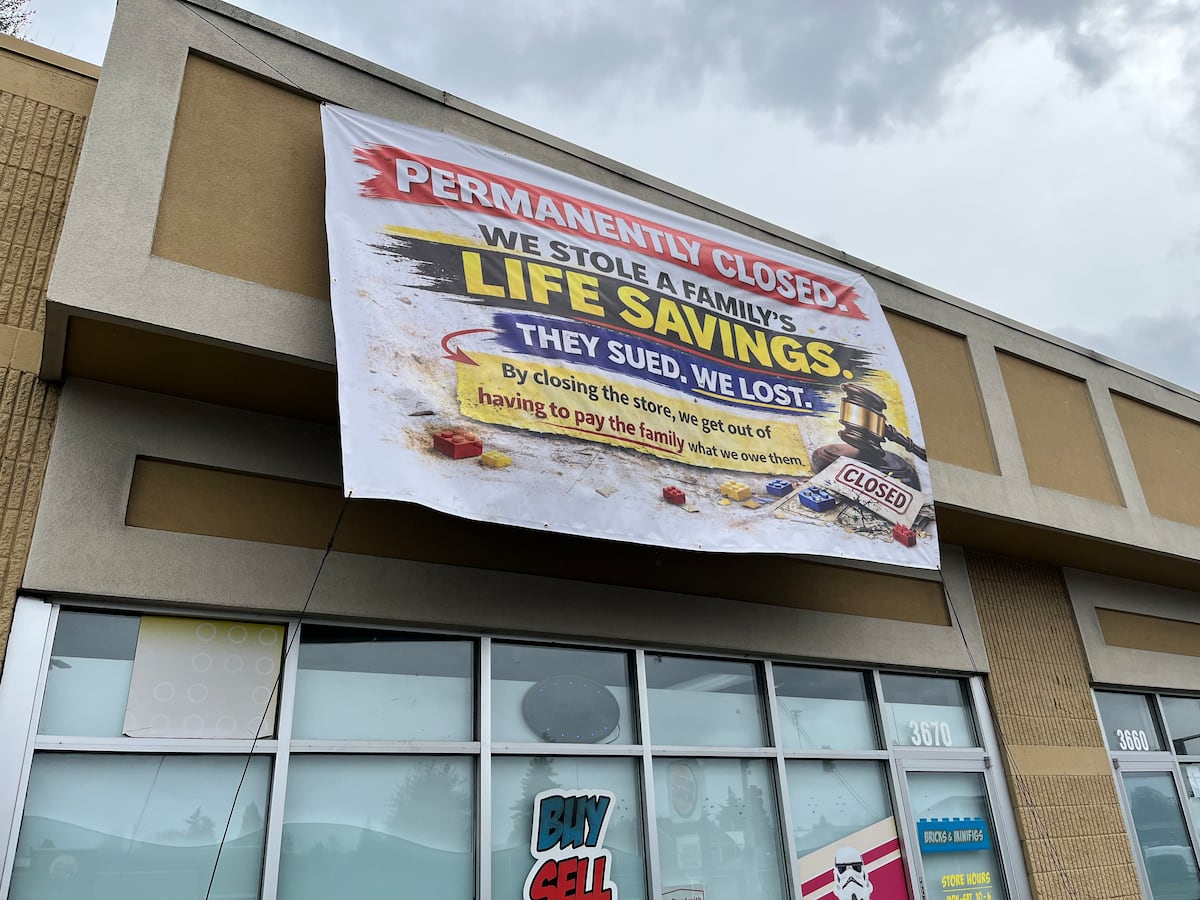
The conflict originates from a bailment relationship established at a Bricks and Minifigs franchise in Keizer, Oregon. According to claimant Bryan Mansell, a high-valuation collection was retained by the facility during a corporate takeover and subsequent relocation to American Fork, Utah. This transition reveals a systemic risk in the franchise model: the ‘liability gap’ that emerges when a corporate parent assumes control of a bankrupt or struggling location without a transparent audit of third-party assets.
The apparent breakdown in the chain of custody suggests a failure in administrative oversight during the corporate succession. In the resell industry, where inventory is often unique and non-fungible, the lack of a standardized ledger for high-value consignments creates significant legal friction. The burden of proof in this instance shifted to the consignor to track physical assets across state lines—a task complicated by the opacity of private corporate restructuring.
The Legal Perils of Digital Vigilantism
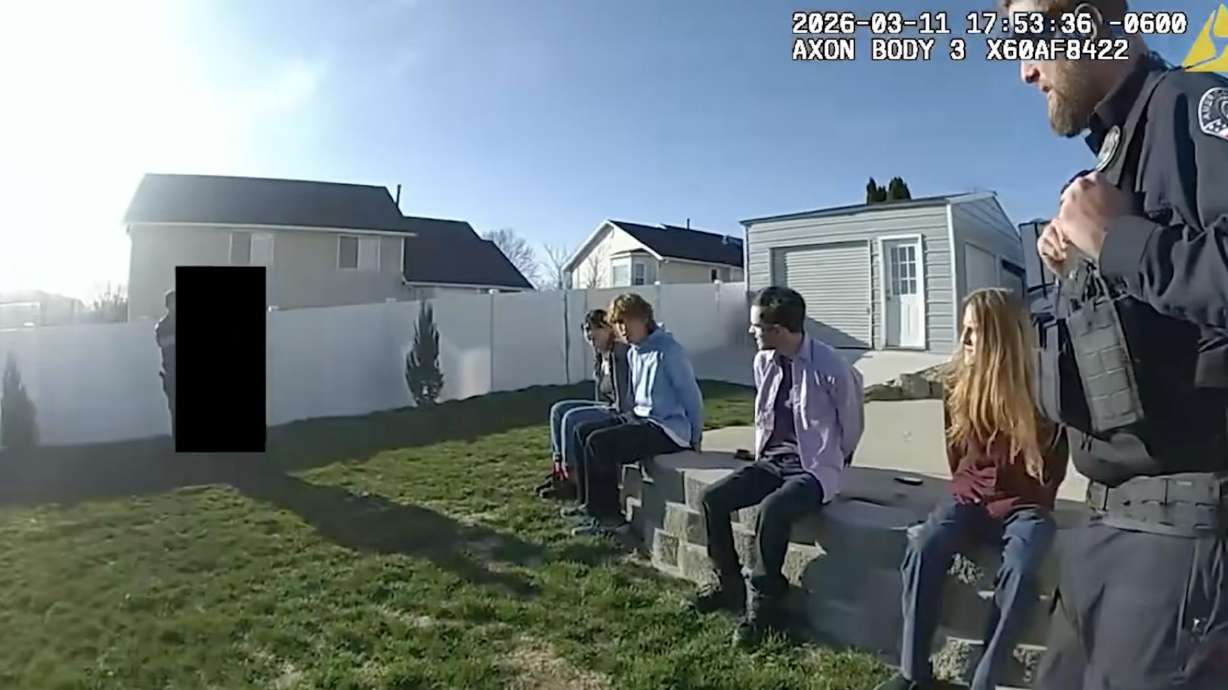
Seeking to bypass the inertia of traditional litigation, Ben Schneider (known as ‘Reckless Ben’) utilized digital advocacy to pressure Bricks and Minifigs. While social media can accelerate corporate responsiveness, Schneider’s tactical escalation—including repeated physical visits to the business owner’s private residence—led to formal charges of stalking and trespassing in American Fork. This development highlights the rigid boundary between investigative journalism and criminal harassment under Utah law.
By shifting the theater of operations from the digital sphere to a private domicile, the recovery effort effectively bifurcated the narrative. The judicial system is now forced to prioritize the protection of individual privacy rights over the underlying asset dispute. This escalation serves as a strategic warning: aggressive digital activism can undermine the legitimacy of a recovery claim by introducing criminal variables that distract from the primary financial liability.
Institutional Friction and Resource Allocation
The American Fork Police Department has reported an operational burden due to an influx of public inquiries catalyzed by the viral nature of the dispute. This ‘digital DDoS’ effect on municipal resources illustrates how niche consumer grievances can impede local law enforcement. The department’s public clarification—stating they are investigating specific criminal conduct rather than adjudicating a civil contract—underscores the jurisdictional limits of police power in asset recovery.
For the secondary market, this case emphasizes the need for robust insurance and documentation protocols. High-value collectibles like Lego sets occupy a regulatory gray area; unlike securities, they lack centralized registration, making them susceptible to theft through administrative negligence. The resolution of this $200,000 claim will likely depend on whether the corporate entity can be held liable for the actions of its previous franchise iterations—a precedent-setting question for the wider resell industry.