Institutional Oversight and Infrastructure Security
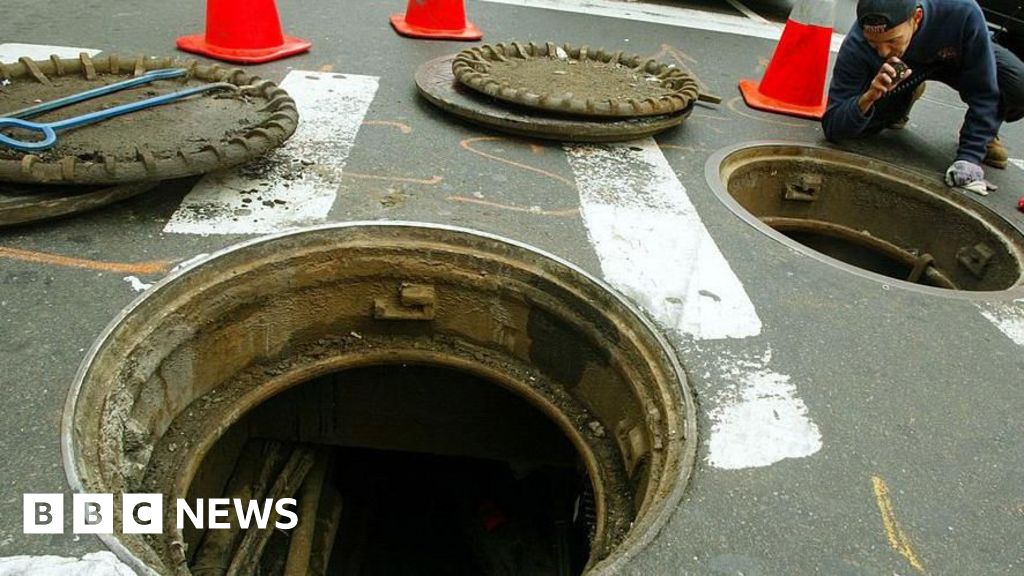
The New York Police Department (NYPD) has launched a formal investigation into unauthorized entries into the city’s subterranean sewer network. Surveillance footage from Brooklyn and Queens indicates that individuals have been accessing the infrastructure through maintenance manholes during nocturnal hours.
These incursions, involving the use of headlamps and rudimentary tools, triggered a joint response from municipal agencies. The Department of Environmental Protection (DEP) and the NYPD conducted sweeps of the affected segments to verify the integrity of the utility network and ensure no hazardous materials were introduced.
Operational Risks and Public Safety
The sewer system represents a high-risk environment due to confined space hazards, risks of flash flooding, and the presence of toxic gases. DEP officials emphasize that these unauthorized entries pose life-threatening risks to intruders and complicate municipal maintenance.
Operationally, these events divert critical emergency resources. The deployment of the NYPD’s Emergency Services Unit to confirm site security underscores the administrative strain caused by these trespassing incidents, which necessitate tactical assessment despite the lack of criminal findings to date.
Economic Drivers and Urban Access
Law enforcement’s working theory suggests these groups are scavenging the drainage network for lost valuables or items inadvertently flushed into the system. While this points toward localized, informal economic motivations, the recurrence of these events highlights a systemic challenge regarding the accessibility of decentralized utility infrastructure.
The ability of unauthorized individuals to navigate and exit the system in high-density areas such as Williamsburg indicates that while no public threat exists, the security of these vast, porous urban assets remains a persistent logistical hurdle.
Legal and Regulatory Framework
Entry into the sewer system is prohibited under local regulations. However, the transient nature of the actors—who operate under darkness—has complicated identification efforts. The investigation is currently focused on surveillance data analysis to determine if the sightings are the result of organized activity or isolated incidents.
The DEP has reported no physical damage to sewer infrastructure, suggesting that the primary impact of these incursions is currently limited to trespassing and the disruption of safety protocols.
Systemic Vulnerability and Future Mitigation
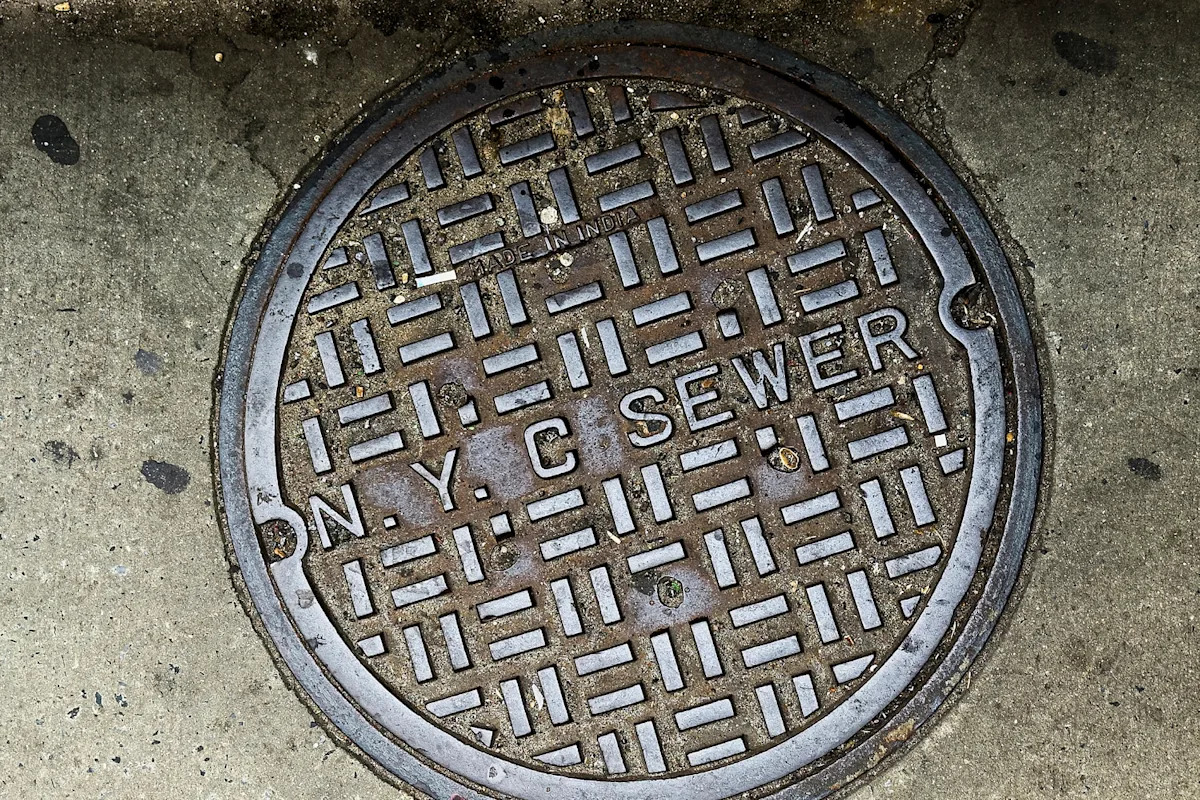
The incidents serve as a case study in the inherent vulnerability of public works. Manhole covers, while essential for ventilation and maintenance, represent access points that are difficult to harden without impeding operational efficiency for utility crews.
Moving forward, the DEP and NYPD continue to collaborate on a standard response protocol. By balancing public safety with the operational requirements of a metropolis, city officials aim to monitor these assets more effectively while managing public perception regarding urban infrastructure security.