
NBA Finals Court Design: Strategic Reinforcement of Legacy and Fan Connection
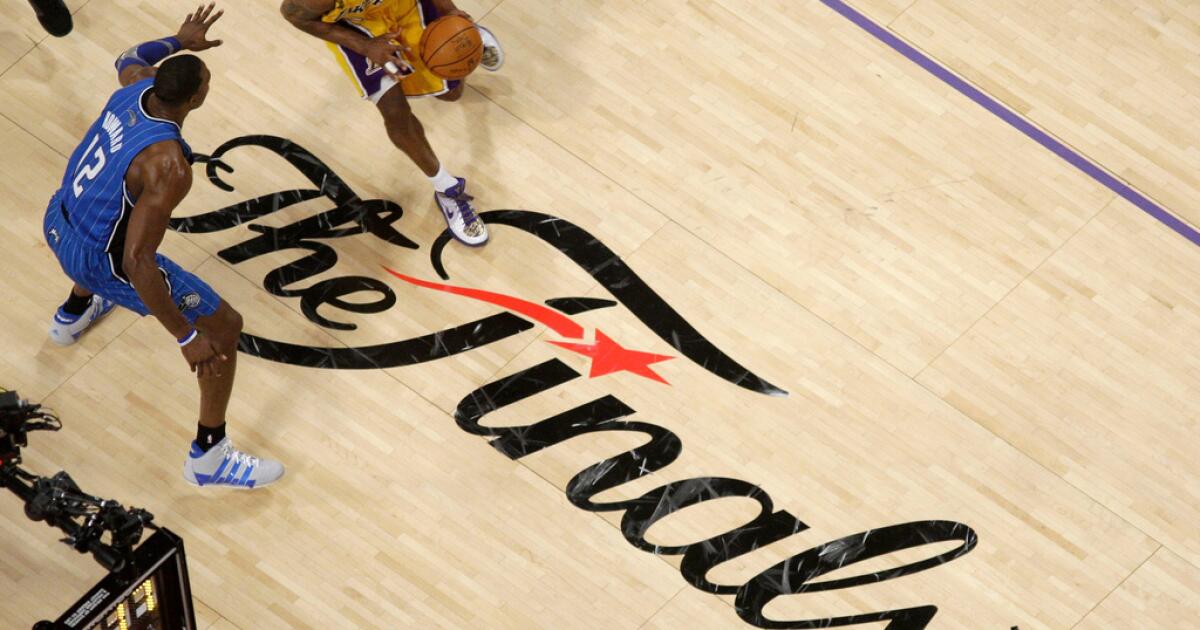
The National Basketball Association’s decision to reinstate the Larry O’Brien Trophy logo at center court for the NBA Finals, accompanied by ‘The Finals’ wordmark on the sidelines, signifies a deliberate strategy to enhance the league’s heritage and the championship’s prestige. This visual anchoring of the competition to its ultimate prize aims to amplify fan engagement and underscore the historical significance of the series.
This branding approach, last consistently utilized in the 2014 Finals, harks back to a strategy initiated in 1989. Its reintroduction suggests a recognition within the NBA of how potent visual iconography shapes brand narrative and fosters fan memory, particularly for marquee events. The current Finals, featuring the San Antonio Spurs and the New York Knicks, offers a rich historical narrative that the league’s court design seeks to amplify.
Historical Context and Brand Narrative Amplification
The current Finals matchup between the Spurs and Knicks is imbued with historical resonance, a narrative the league actively leverages. The Knicks, aiming to end a 53-year championship drought, face the Spurs, a franchise with a more recent legacy of five championships but a 12-year gap since their last title. The court design serves as a powerful marketing tool, directly linking the present competition to the pinnacle of NBA achievement.
This strategy is designed to resonate with passionate fan bases, evoking past glories and reinforcing the aspirational nature of the championship. The choice of San Antonio and New York as host cities, each with distinct historical narratives and dedicated fan bases, provides fertile ground for the NBA to leverage its brand history through visual reinforcement on court, aiming for a unified and elevated fan experience.
Fan Engagement and Market Positioning in a Fragmented Media Landscape
In an era of fragmented media consumption, the NBA’s focus on visual elements like the Larry O’Brien Trophy on the Finals court is a direct strategy for sustained fan engagement. By making the ultimate prize a tangible, central visual element, the league deepens emotional investment and solidifies the Finals as a must-watch event.
This visual continuity, harkening back to 1989, communicates enduring tradition and a consistent pursuit of excellence. It appeals to established fans through nostalgia and new audiences through an emphasis on the league’s storied history and the caliber of its championship. This approach reinforces the NBA’s market positioning as a premier global sports league that celebrates its own legacy.
Operational, Financial, and Downstream Implications
Implementing these court designs involves significant logistical coordination between the NBA and venue partners, requiring precise application of logos and branding across diverse arenas. Operationally, this impacts maintenance, production, and broadcast teams, ensuring adherence to league standards for a consistent visual presentation.
Financially, the heightened prestige amplified by these visual cues can translate into increased sponsorship opportunities and advertising revenue. Brands seeking association with championship-level competition and historical significance find the NBA Finals an attractive platform. The successful execution of these branding elements enhances the overall market value of the NBA, reinforcing its global entertainment status.
The emphasis on legacy and fan experience through court design may influence other leagues. The NBA’s successful implementation could set a precedent for increased focus on historical iconography and immersive visual storytelling in future major sporting events, further solidifying the league’s leadership in sports marketing and brand presentation.
Photo by admomediaoffice on Pixabay.