
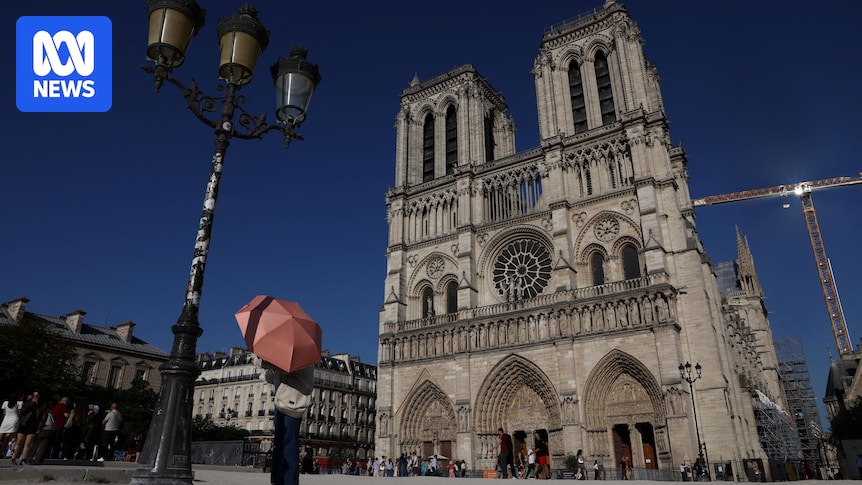
The archaeological mobilization beneath the forecourt of Notre Dame Cathedral represents a sophisticated convergence of French preventive archaeology law and 21st-century urban climatology. Following the landmark reopening of the cathedral in December 2024, the focus has shifted from the vertical restoration of the spire to the horizontal reconfiguration of the surrounding environment. This intervention is necessitated by the city’s strategic objective to mitigate the ‘urban heat island’ effect through a radical softening of the parvis.
The Regulatory Imperative: Preventive Archaeology
Under French administrative mandates, specifically the framework for preventive archaeology, any major soil disturbance in historically dense sectors requires an exhaustive scientific audit. This institutional safeguard ensures that the installation of irrigation systems and root-ready soil for new canopy cover does not compromise the integrity of the underlying strata. Archaeologists are currently navigating four meters of vertical history, documenting the transition from Roman Lutetia to the medieval core of the Île de la Cité.
This phase is not merely an academic detour but a structural bottleneck in the project’s timeline. The data recovered serves as essential cultural capital, transforming potential construction delays into a value-added narrative for the site’s global audience. By maintaining transparent barriers and public observation decks, the administration has successfully framed the excavation as a ‘living museum’—a strategic move to maintain tourist engagement amidst ongoing site work.
Strategic Climate Adaptation in a Heritage Context
The transformation of the forecourt from a heat-retaining stone expanse to a shaded, vegetated zone is a primary pillar of the ‘Paris 2026’ urban resilience plan. However, the presence of two millennia of masonry presents unique engineering challenges. The integration of nature-based solutions (NBS) into a high-density heritage site requires a bespoke approach where the depth of tree pits is limited by the proximity of historical ruins.
The institutional backing for this project, highlighted by the attendance of global figures like President Emmanuel Macron and international dignitaries at the 2024 reopening, underscores the site’s status as a nexus of soft power. The successful delivery of the new forecourt will serve as a proof-of-concept for other UNESCO-listed cities facing similar thermal risks. It demonstrates that the path to a sustainable urban future in Europe is inextricably linked to the physical management of its past.
Economic and Operational Synergy
Beyond the cultural and environmental outcomes, the project reflects a high-stakes logistical operation. Managing the flow of millions of visitors while operating a major excavation site requires precise site-management protocols. The economic viability of the project is bolstered by public-private partnerships that view the ecological modernization of Notre Dame’s surroundings as a long-term investment in the city’s tourism infrastructure. By addressing the thermal discomfort of the parvis, the city ensures the site remains a viable destination during increasingly frequent summer heatwaves.
Ultimately, the current excavation concludes a decade-long cycle of crisis management and restoration. It marks the transition from the emergency preservation of a burning icon to the forward-looking adaptation of a functional urban landmark. The resulting synergy between archaeology and ecology sets a new global benchmark for heritage management in the Anthropocene.
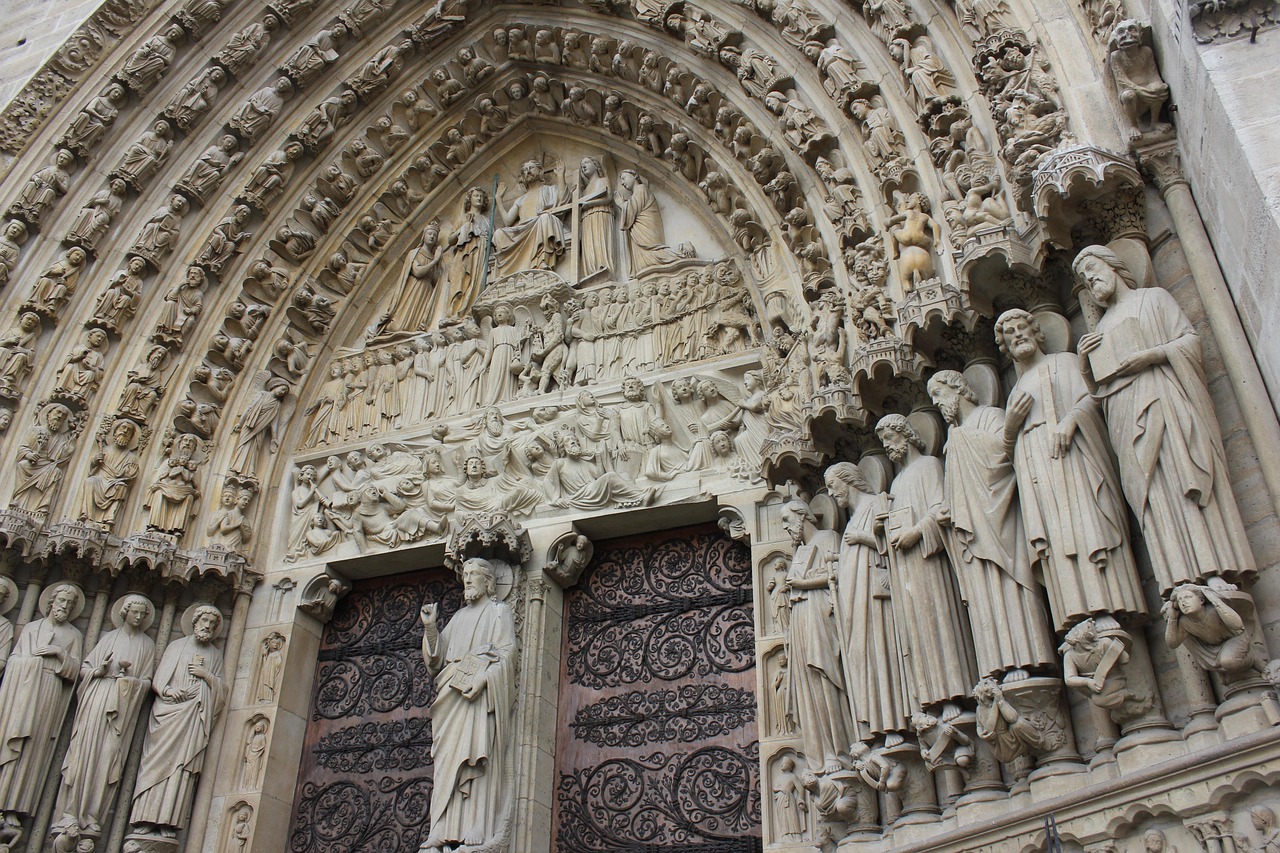
Photo by 35069 on Pixabay.