
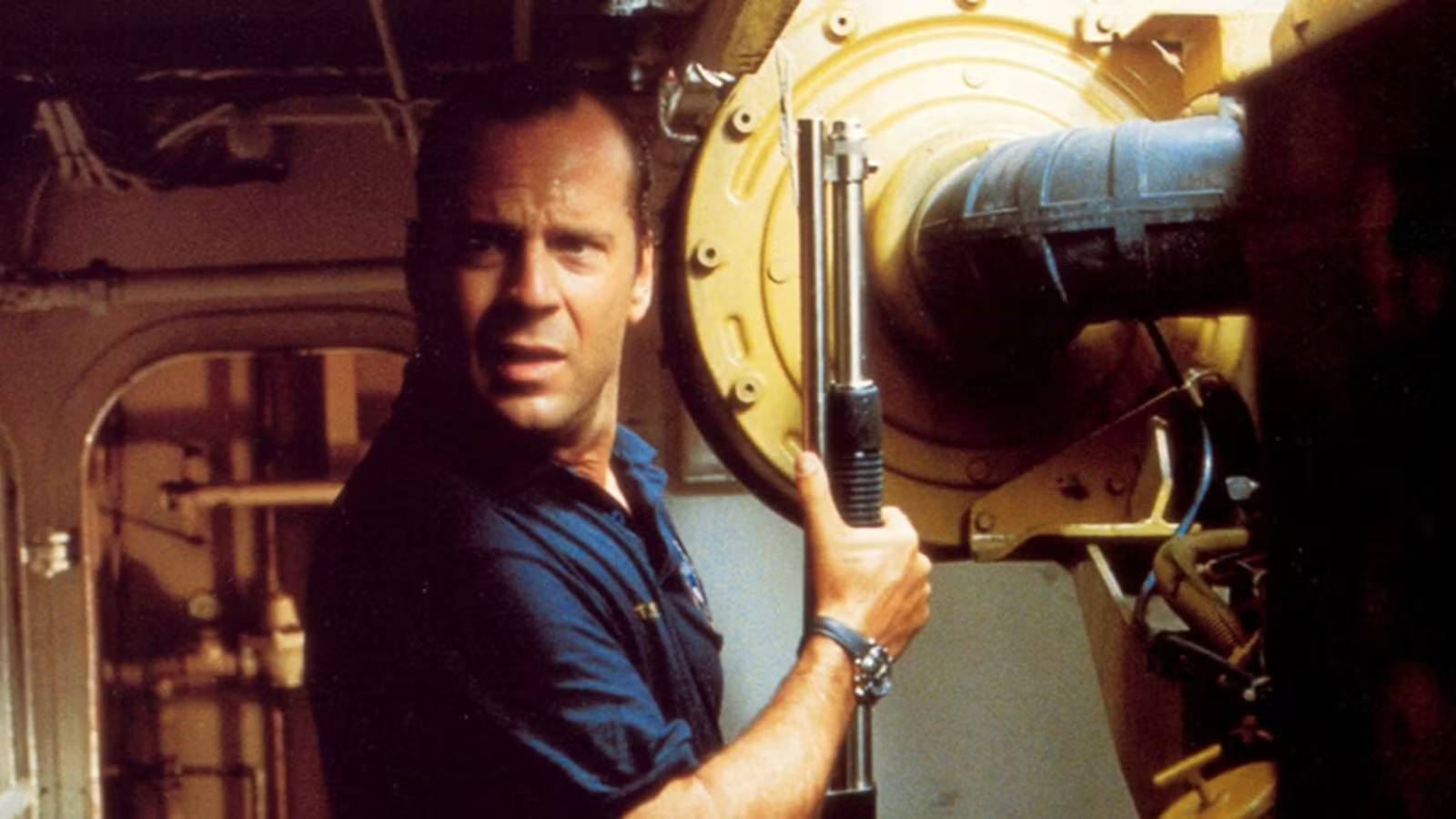
The ascent of the 1993 police thriller Striking Distance to the third position on Netflix’s domestic charts represents a pivotal case study in the lifecycle of legacy cinematic assets. Originally categorized as a mid-tier commercial disappointment with a $77 million global box office, its current performance demonstrates a decoupling of historical critical sentiment from modern platform utility. This resurgence highlights the evolving mechanics of Subscription Video-on-Demand (SVOD) ecosystems, where algorithmic curation and ‘star equity’ frequently override 20th-century market outcomes.
The Economics of Fully Amortized Library Assets
For aggregators like Netflix, the inclusion of 30-year-old library titles serves as a high-margin strategy for subscriber retention. Unlike original productions, which require massive marketing expenditures, legacy titles like Striking Distance benefit from low acquisition costs and zero production overhead. When these assets achieve competitive parity with new releases—currently trailing only the high-budget titles Apex and Swapped—they provide an optimal return on investment (ROI) by monetizing fully amortized intellectual property across new digital windows.
The financial viability of this ‘long-tail’ content is rooted in the shift from transactional revenue to engagement-based metrics. While the film’s 1993 success was tethered to physical theater capacity and retail shelf space, the digital landscape allows it to function as a low-friction engagement driver. The presence of Bruce Willis and Sarah Jessica Parker provides a foundational level of ‘star equity,’ acting as a cognitive shortcut for viewers navigating an overwhelming volume of content.
Algorithmic Discovery and Genre Resilience
Data from FlixPatrol confirms that Striking Distance is not merely a passive inclusion but an active outlier. Its performance suggests that Netflix’s recommendation engines have identified a cross-generational demand for 1990s procedural aesthetics. This algorithmic elevation creates a market environment where legacy content competes directly for attention against modern productions, often winning due to the lower psychological risk associated with established stars and familiar genre tropes.
Furthermore, the film’s specific narrative elements—the Pittsburgh river-patrol setting and the gritty, practical effects of the era—offer a visual alternative to the homogenized, CGI-heavy look of contemporary digital cinema. This stylistic variance provides ‘counter-programming’ within the platform, appealing to audiences experiencing content fatigue from modern stylistic trends.
Operational Implications for Content Acquisition
The operational success of this three-decade-old title forces a recalibration of how studios define an asset’s ultimate value. If a film can generate top-tier engagement 31 years post-release, the initial theatrical window becomes merely the first phase of a multi-generational monetization cycle. This encourages rights holders—such as Sony, Warner Bros., and Paramount—to prioritize high-quality restoration and archive management, as the ability to identify ‘latent hits’ within a library has become a critical skill for content acquisition executives.
Ultimately, the redemption of Striking Distance signals that the streaming economy has permanently altered the industry’s temporal boundaries. A film is no longer defined by its opening weekend; rather, its value is determined by its ability to resurface within the algorithmic slipstream of the modern viewer.

Photo by Efraimstochter on Pixabay.