Market Shift: New Vehicle Costs Drive Truck Resale Value Scrutiny
The automotive sector faces persistent new vehicle price inflation, fueled by supply chain pressures, tariffs, and a consumer trend towards higher-trim models. This surge is particularly acute in the full-size truck segment. As of March 2026, the average new truck price has reached $65,964, marking a 2.8% year-over-year increase and significantly outpacing the broader new-vehicle average of $49,275. Consequently, the initial investment required for a new full-size truck is substantial, magnifying the importance of residual value for consumers. The financial impact of depreciation is now a critical factor in purchase decisions, directly influencing total cost of ownership calculations.
Depreciation Disparities: Silverado Trails Competitors
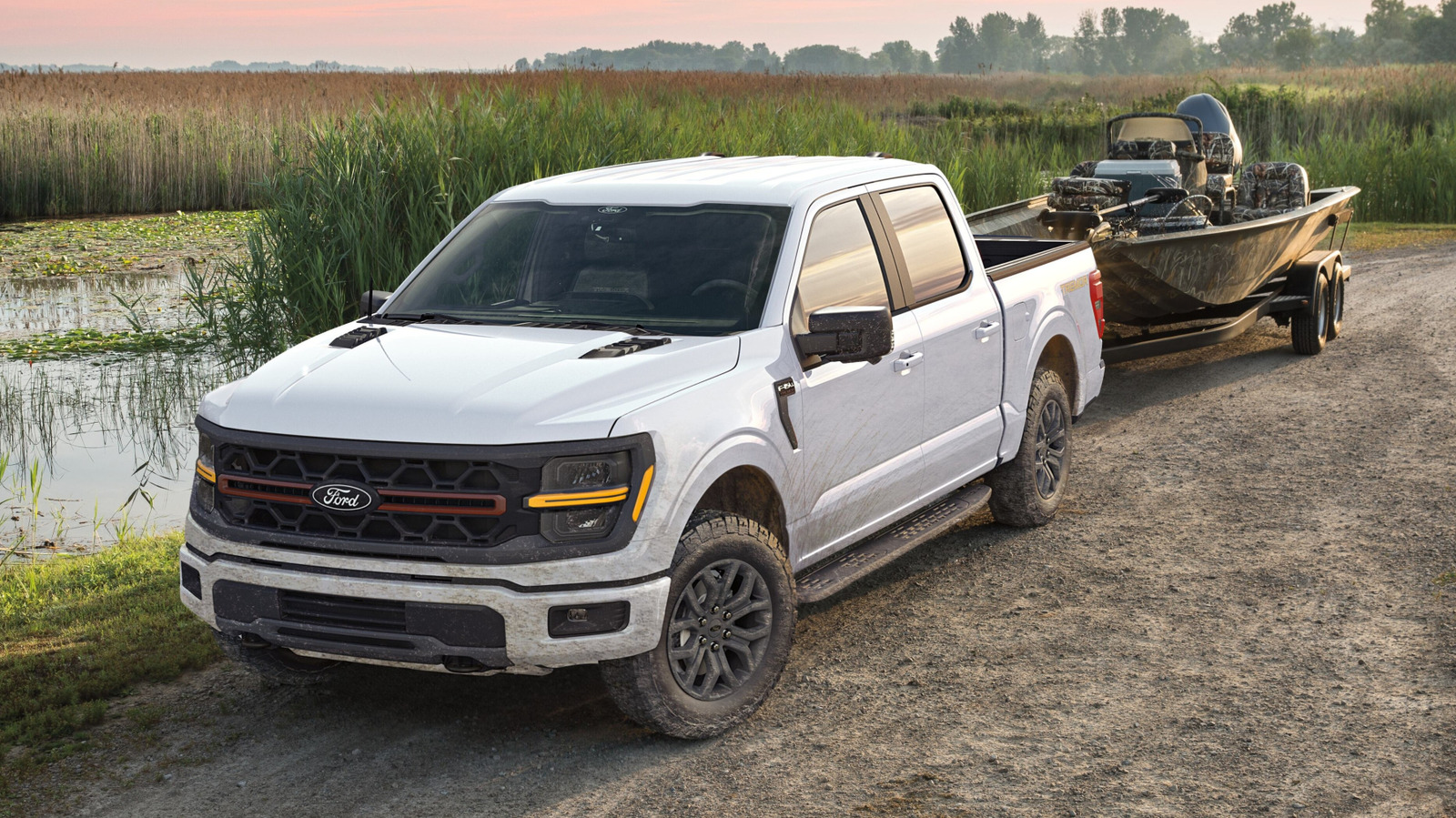
iSeeCars data reveals a notable variance in five-year depreciation among leading full-size pickup trucks. The Chevrolet Silverado 1500 is projected to exhibit the highest depreciation in its class, losing an estimated 39.7% of its original value over five years. In contrast, the Ford F-150 and Ram 1500 are expected to retain a greater percentage of their initial price, demonstrating lower depreciation rates. This divergence highlights residual value as a key competitive differentiator in the high-demand truck market.
Segment Performance: Trucks Outperform, Yet Variations Exist
The overall used vehicle market has seen improved resale values between 2025 and 2026. The average new vehicle is now projected to lose 41.8% of its value over five years, a 3.8% reduction from the prior year. Trucks, as a segment, generally maintain stronger residual values than other vehicle categories, with the average new truck depreciating by approximately 34.2% over five years. While both the Ford F-150 and Ram 1500 exceed this truck segment average for depreciation, they still significantly outperform the Chevrolet Silverado 1500. The Silverado’s position at the lower end of this competitive set underscores a specific challenge in managing its perceived long-term value.
Toyota’s Value Retention Benchmark: Tacoma and Tundra Lead
Toyota’s Tacoma and Tundra models stand out as benchmarks for exceptional value retention within the truck market. The Tacoma is projected to lose only 19.9% of its value over five years, while the Tundra loses 21.2%. This performance significantly surpasses that of the leading domestic full-size competitors, indicating strong consumer confidence in their durability and desirability on the used market. These figures reflect distinct product strategies and lifecycle management approaches.
Strategic Imperatives for Manufacturers
The widening depreciation gap presents distinct strategic challenges and opportunities. For manufacturers like Chevrolet, higher depreciation rates necessitate a deeper analysis of product lifecycle management, incentive strategies, and marketing efforts aimed at bolstering residual value perception. Conversely, brands like Toyota, with consistently strong resale values, can leverage this advantage for premium pricing and reduced reliance on aggressive incentives. These residual value differences also significantly influence fleet sales and rental car purchasing decisions, where long-term cost projections are paramount.
Consumer Behavior Driven by Total Cost of Ownership
The escalating average price of new vehicles and consumer preference for higher specifications heighten the focus on depreciation. Buyers are increasingly evaluating the total cost of ownership, making residual value as critical as initial price and features. Strong resale value can reinforce brand loyalty and attract new customers seeking a more predictable investment, directly impacting a vehicle’s appeal and economics in the secondary market.
Competitive Positioning and Brand Perception
Divergent depreciation figures directly influence competitive positioning. Trucks with lower depreciation are perceived as sounder financial investments, enhancing their appeal to cost-conscious buyers. This perception is shaped by objective data, brand reputation for reliability, build quality, and demand for used models. Manufacturers must therefore prioritize product development and post-sale support that sustains market desirability.
Capital Allocation and Incentive Strategy Considerations
Manufacturers facing higher depreciation must strategically allocate capital towards enhancing product longevity, build quality, and desirable features that command stronger resale values. Incentive programs can mitigate short-term depreciation but may impact profitability. Conversely, brands with robust residual values can direct capital towards marketing that highlights this financial benefit, reinforcing their market standing. The interplay between product, manufacturing efficiency, and market incentives dictates long-term financial performance.
Operational Factors and Future Outlook
Depreciation data often reflects underlying operational efficiencies, production costs, supply chain management, and the pace of technological integration. As the automotive industry navigates electrification and new technologies, understanding their impact on depreciation will remain a critical area of analysis for all stakeholders, from manufacturers and dealers to financial institutions and consumers.