
Logistical Constraints and Periodization Strategies
The scheduling of the DFB-Pokal semifinal for a Thursday deviates from the standard Tuesday-Wednesday cycle, a decision necessitated by the intense periodization requirements of the modern football calendar. Following high-stakes Bundesliga fixtures on the preceding Sunday, both VfB Stuttgart and SC Freiburg required the mandatory 72-hour recovery window to mitigate injury risks and maintain competitive integrity. This shift underscores the growing friction between domestic cup traditions and the expanding load management needs of top-tier clubs.
Financial Scaling and Performance-Based Revenue
Beyond regional prestige, this fixture serves as a critical fiscal catalyst. Advancing to the final unlocks a multifaceted revenue stream comprising performance bonuses from the DFB, incremental ticketing revenue, and a larger share of the central marketing pool. For clubs operating at the intersection of European qualification and domestic stability, the financial delta between a semifinal exit and a final appearance can represent a double-digit percentage increase in annual liquidity, directly impacting summer transfer window capabilities.
Institutional Memory and Psychological Leverage
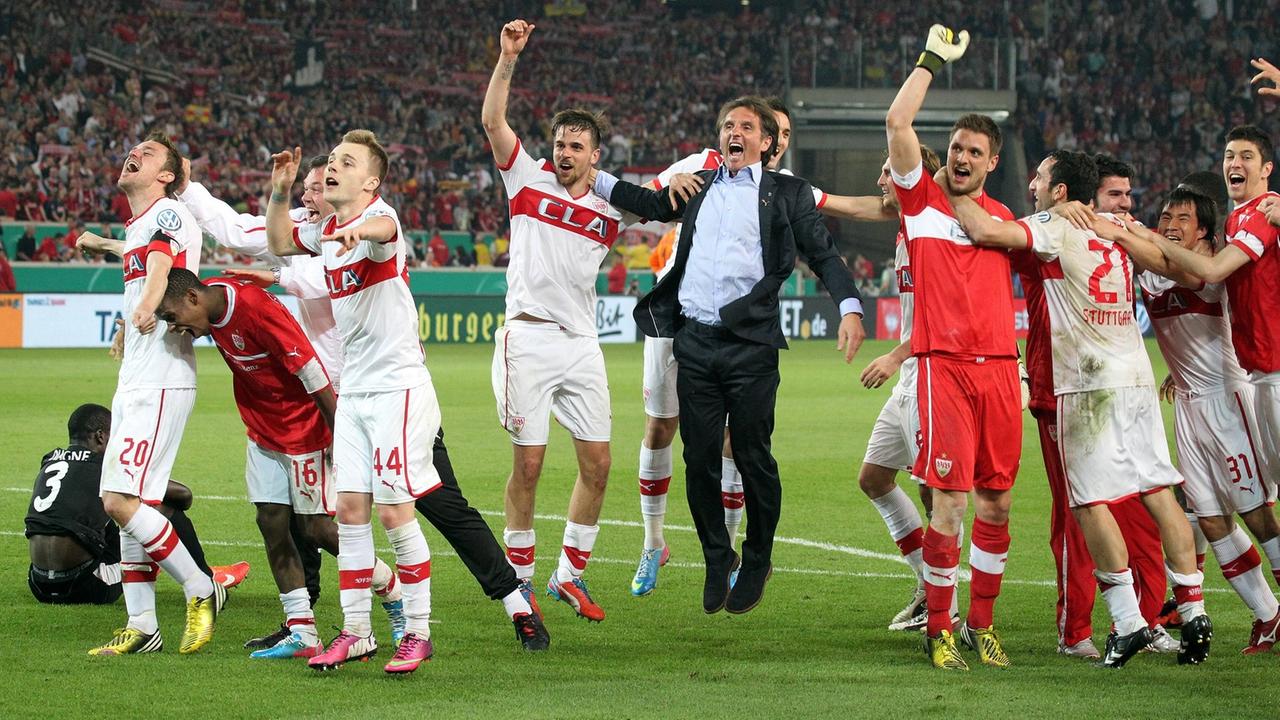
The 2013 semifinal narrative remains a pivotal psychological anchor for both institutions. Matthias Ginter, who featured in that match as a teenager, now provides a tangible link to the past, embodying the club’s institutional memory. While Freiburg seeks to rectify historical grievances, Stuttgart leverages the confidence of their prior 2-1 victory. In high-pressure knockout environments, these historical data points function as strategic assets, influencing squad resilience and tactical discipline under duress.
Operational Dynamics of Primetime Broadcasting
The 20:45 CET kickoff is a calculated commercial move to capture peak national television audiences on ARD and Sky. While this maximizes exposure for regional sponsors and bolsters advertising value, it presents significant logistical hurdles for stadium operations. Managing a capacity crowd of over 50,000 on a weekday requires precise coordination between local infrastructure and security forces, highlighting the tension between commercial optimization and fan accessibility.
Strategic Impact of Competitive Load
Stuttgart’s prior exit from European competition allows for a more focused tactical preparation, whereas Freiburg’s continued participation in international play has necessitated sophisticated squad rotation. This disparity in competitive load dictates the tactical tempo: a fresher Stuttgart may utilize a high-pressing system, whereas Freiburg must rely on efficient counter-attacking and structured defensive blocks. The outcome will likely redefine the strategic priorities for the remainder of the season, specifically regarding resource allocation for Bundesliga survival versus cup glory.

Photo by radekkulupa on Pixabay.